
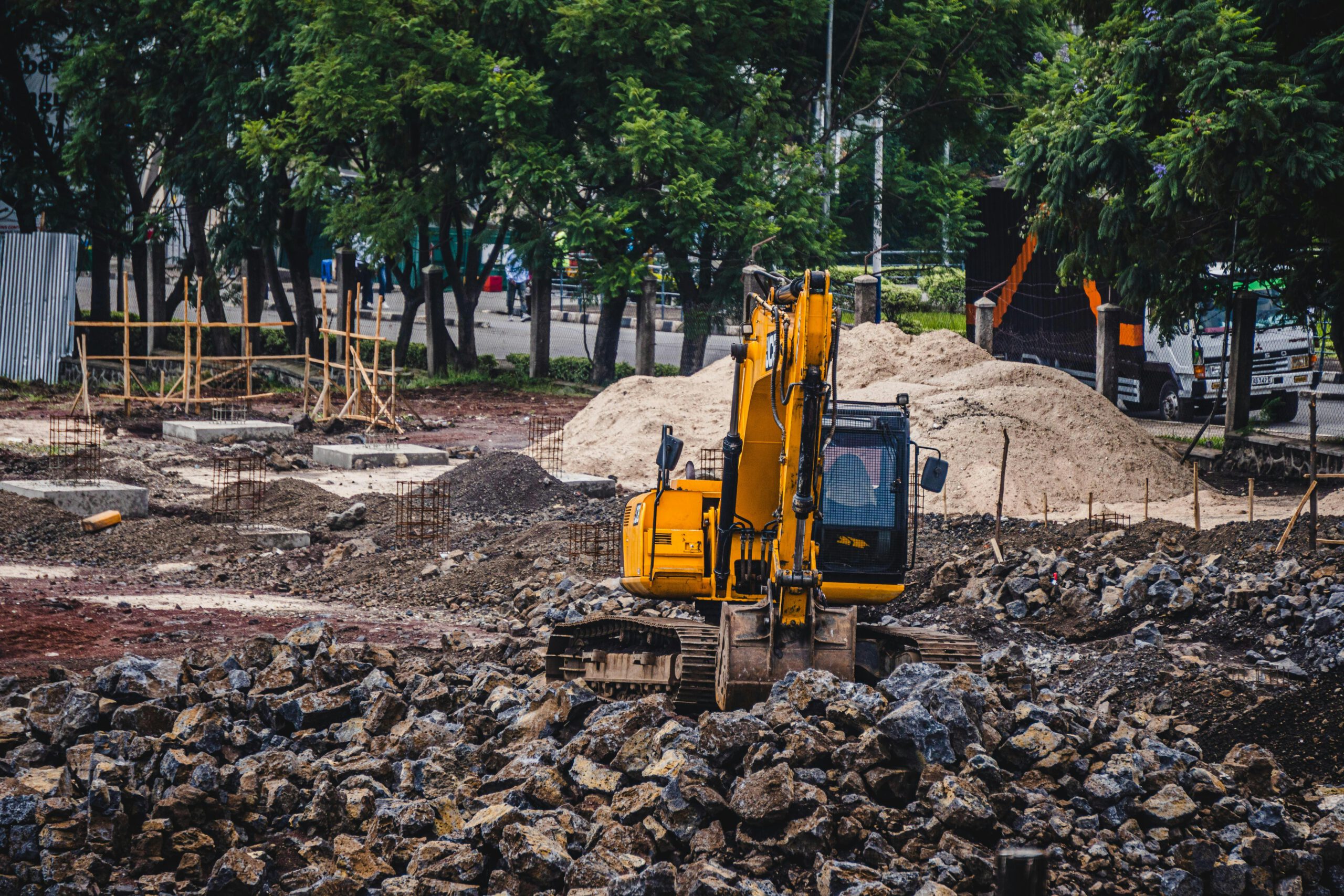
Excavation is a key part of many construction and landscaping projects, but not all sites offer easy access. In urban areas or properties with limited space, standard machinery and approaches may not be suitable. This is where specialised solutions like tight access excavation become essential, allowing work to be carried out safely and efficiently even in challenging conditions.
Understanding how these projects are approached can help you plan more effectively and avoid unexpected complications.
What Makes a Site “Tight Access”?
A site is typically considered tight access when there are physical limitations that restrict the movement of standard excavation equipment. This might include narrow pathways, limited entry points, or obstacles such as existing structures and landscaping features.
Common examples include:
- Residential backyards with limited side access
- Inner-city properties with restricted entry
- Sites surrounded by existing buildings or fencing
- Areas with height restrictions or overhead obstacles
These constraints require a more considered approach to both planning and execution.
Why Specialised Equipment Is Needed
Traditional excavation machinery is often too large or heavy to operate effectively in confined spaces. Tight access projects rely on smaller, more versatile equipment designed to navigate restricted areas without compromising performance.
This may include compact excavators, mini loaders, or other specialised tools that can manoeuvre through narrow access points while still handling demanding tasks.
Using the right equipment not only improves efficiency but also reduces the risk of damage to surrounding structures.
Planning Is Critical for Success
Careful planning plays a major role in tight access excavation. Before any work begins, the site needs to be assessed in detail to identify potential challenges and determine the most suitable approach.
This process often involves:
- Measuring access points and working areas
- Identifying underground services or utilities
- Planning machinery routes and positioning
- Considering soil conditions and drainage
Taking the time to plan properly helps ensure the project runs smoothly and minimises the likelihood of delays. In some cases, projects with restricted access may also require considerations similar to a traffic management plan, particularly when equipment, deliveries, or site access impact surrounding areas.
Managing Safety in Confined Spaces
Safety is especially important in tight access environments, where limited space can increase risks. Working close to structures, services, and boundaries requires precision and careful coordination.
Key safety considerations include:
- Protecting nearby buildings and landscaping
- Ensuring clear communication between workers
- Using appropriate equipment for the space
- Monitoring ground stability during excavation
A well-managed approach helps reduce risks and ensures the work is carried out safely.
Minimising Disruption to Your Property
One of the main concerns for homeowners is the potential disruption caused by excavation work. Tight access solutions are often designed to minimise impact, both during and after the project.
Smaller machinery can reduce damage to lawns, driveways, and surrounding areas, while careful planning helps keep the work contained and organised.
This is particularly important in residential settings, where maintaining the condition of the property is a priority.
Making Complex Projects More Manageable
While tight access sites can present challenges, the right approach makes them entirely manageable. With proper planning, suitable equipment, and experienced operators, excavation can be carried out efficiently even in the most restricted spaces.
By understanding what’s involved and working with professionals who specialise in these conditions, you can ensure your project is completed safely, efficiently, and with minimal disruption.