Home Blog Page 6

19 Tips for Garden Layout: Make Proper Preparations Before Designing

0

Homesfornh.com – A garden landscape is one of the attractive elements for the exterior. Most people like to design their garden landscapes. There are plants and other decorations for the garden landscape. You can add pathways and patios as well. The garden layout can be your resting area while enjoying the fresh atmosphere. Here, are ideas for designing a garden landscape. Let’s check 19 Tips for Garden Layout: Make Proper Preparations Before Designing!

  1. Make A Wide Path

A garden path is an important element in the garden layout. This garden path should reach the plant sites, so you don’t need to step on the garden lawn. There are some garden paths that you can build. Ensure to make a wide path for your garden at least for 2 people.
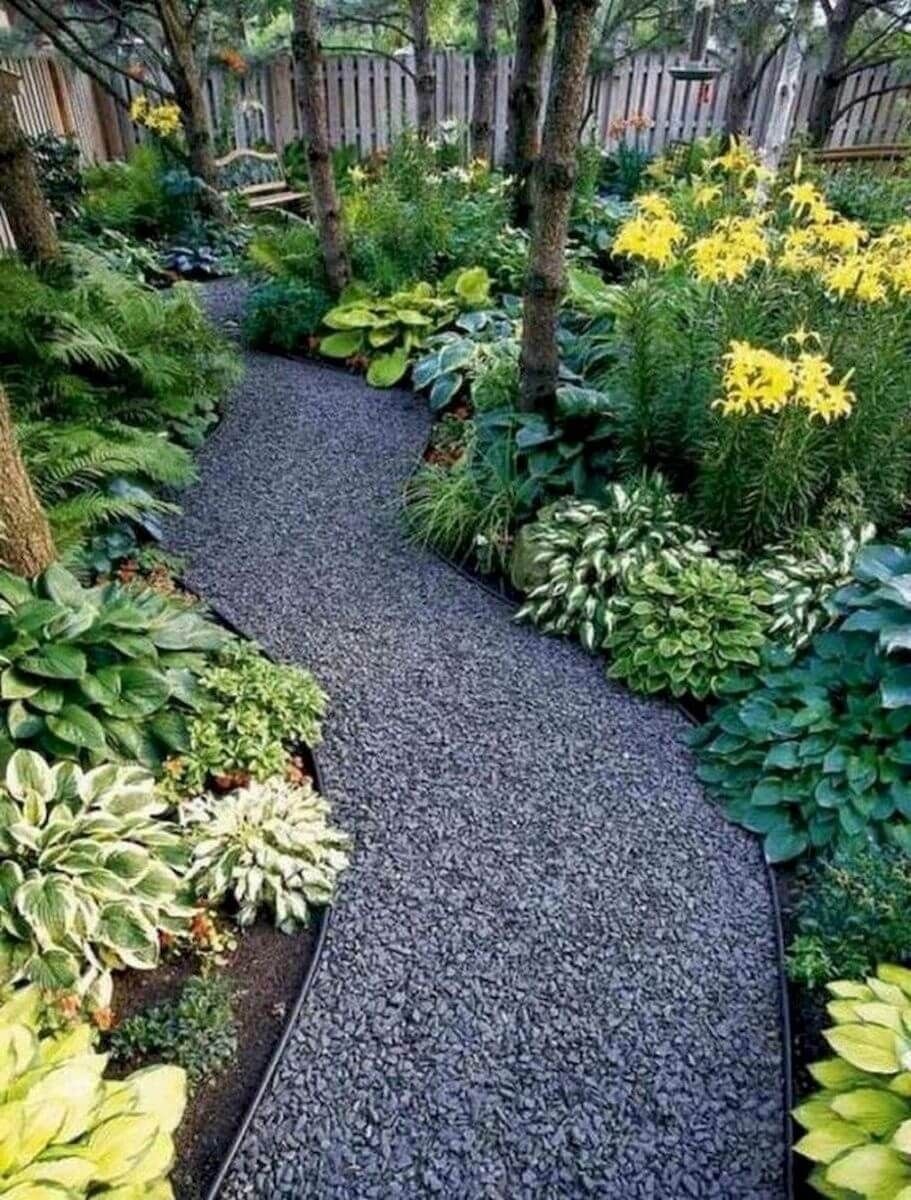
Make A Wide Path

Moreover, measuring the high of the pathway. An average pathway has the same high as garden soil. Also, the width should be at least 3 feet. Then, you can draw the garden landscape to grow plants. Ensure that you choose the best plant to make a shady area along the pathway.

1 of 19

  1. Measuring the Steps

This is another idea for the garden way. You can use a garden step. It needs some steps to make a way. Use the steps that rise 6 inches or less. Ensure that it has a comfortable step for everyone. If you have a large step, then add the height for them.
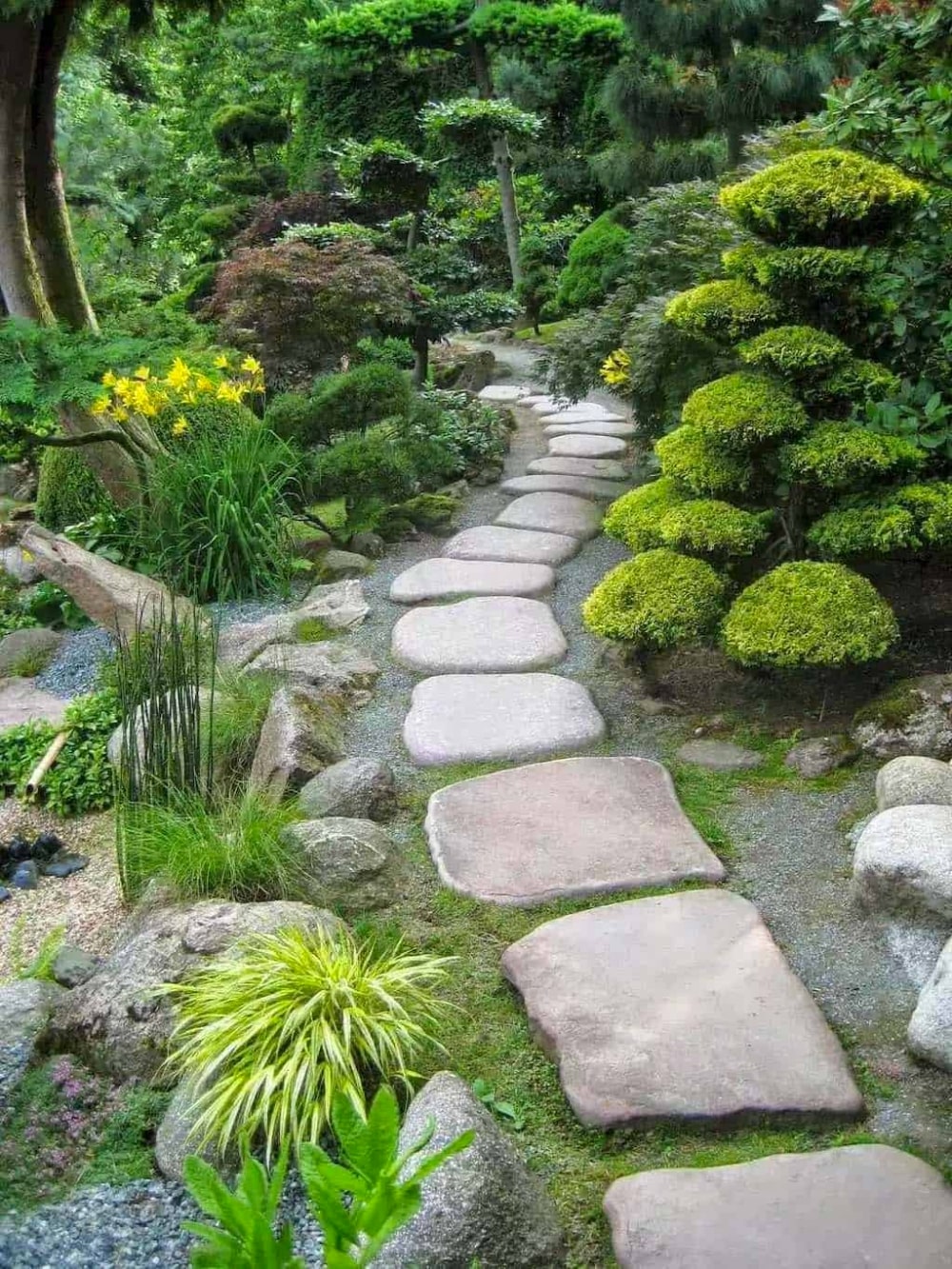
Measuring the Steps

Besides, choose the material that fits your garden. Avoid choosing slick surfaces. The steps should be safe for every step. Also, ensure to put spaces between the steps. Choose a strong material that won’t wobble when someone steps on it.

2 of 19

  1. Add A Patio

A patio is an additional decoration for the garden landscape. It can use a canopy or shelter to make a shady place. Also, many outdoor patios have no shelter. Therefore, it uses the natural shady garden to build a fresh atmosphere. Some patios need more plants around this area.
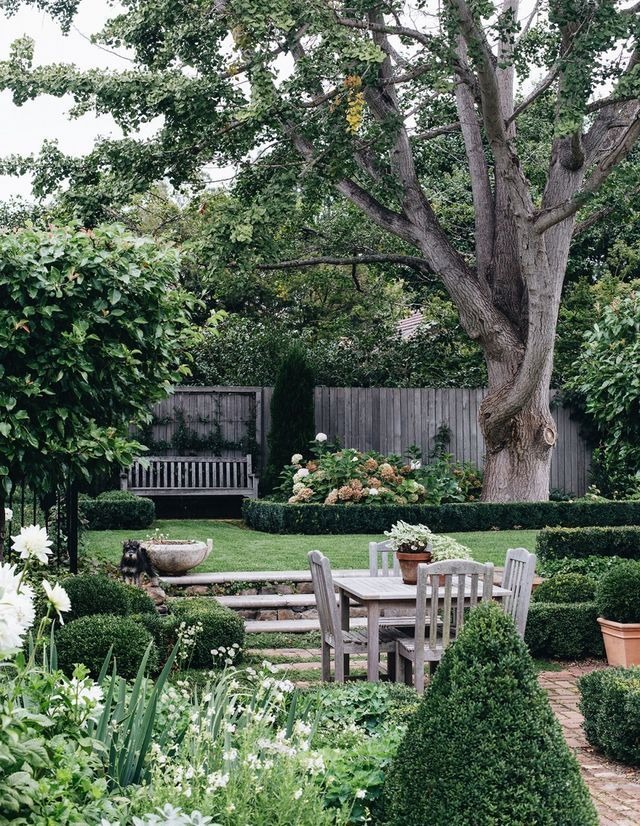
Add A Patio

Moreover, a patio is more stunning to get beautiful furniture that fits the garden. You can make it as a dining room or living room as well. A patio is a versatile design in the garden landscape. Despite this, a patio is perfect for a large garden with high trees. If you have a small garden, you can use a pergola without shelter to make an outdoor patio.

3 of 19

  1. Choose the Best Materials for Steps

This tip is for you who want to build garden steps. The first thing to do is measure your garden. Ensure that you know how many tiles you need to make a garden step. After that, choose the material for your garden step. Avoid materials with slick surfaces. Also, don’t use loose tiles that wobble for your garden soil.
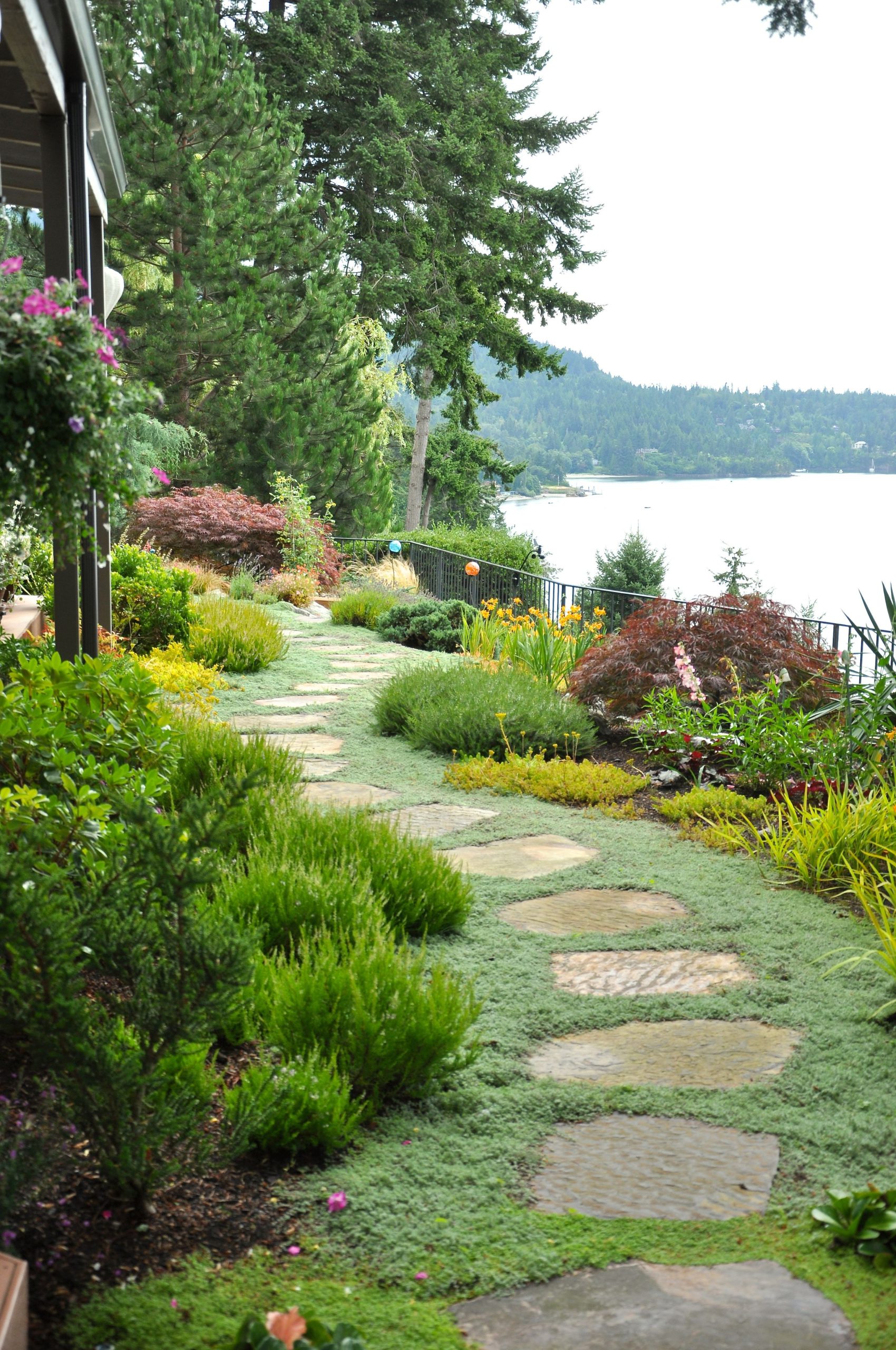
Choose the Best Materials for Steps

In addition, you can use gravel around the steps. These small rocks will help you to build a strong garden step. Then, choose strong materials like compact garden tiles. Besides, whatever materials you choose, ensure to put them properly on your garden soil.

4 of 19

  1. Add Green Shelter

A green shelter is like a fairytale gate with plants. This element is various. You can make it with a small pergola, arbor, and archway. This green shelter should be more than 7 feet high. Meanwhile, it should be wider than the pathway. Also, ensure this shelter is strong to load all plants.
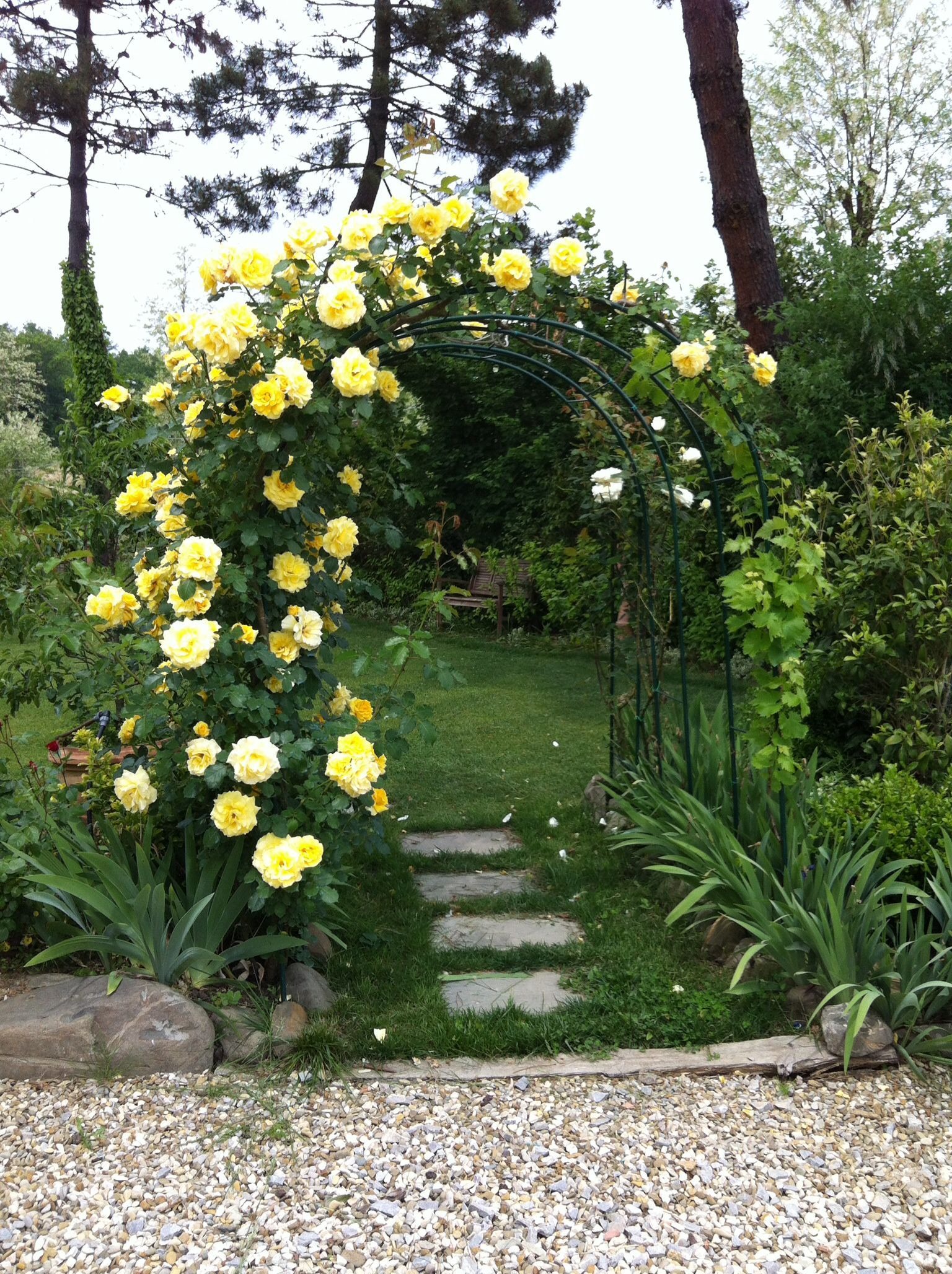
Add Green Shelter

Then, design the shelter outlook. You can list some plants to grow near the shelter. There are climbing roses, English Ivy varieties, Pothos varieties, etc. You need to check this plant when growing vines. Then, you can put the vines on the shelter surfaces.

5 of 19

  1. Add Space Between Plants

It is a must-have thing to do. Designing a perfect garden layout needs various plants. If you plan to grow plenty of plants, then ensure they get enough spaces to grow. Some massive growing plants can be invasive. They can spread into garden soil to seek water and nutrients.
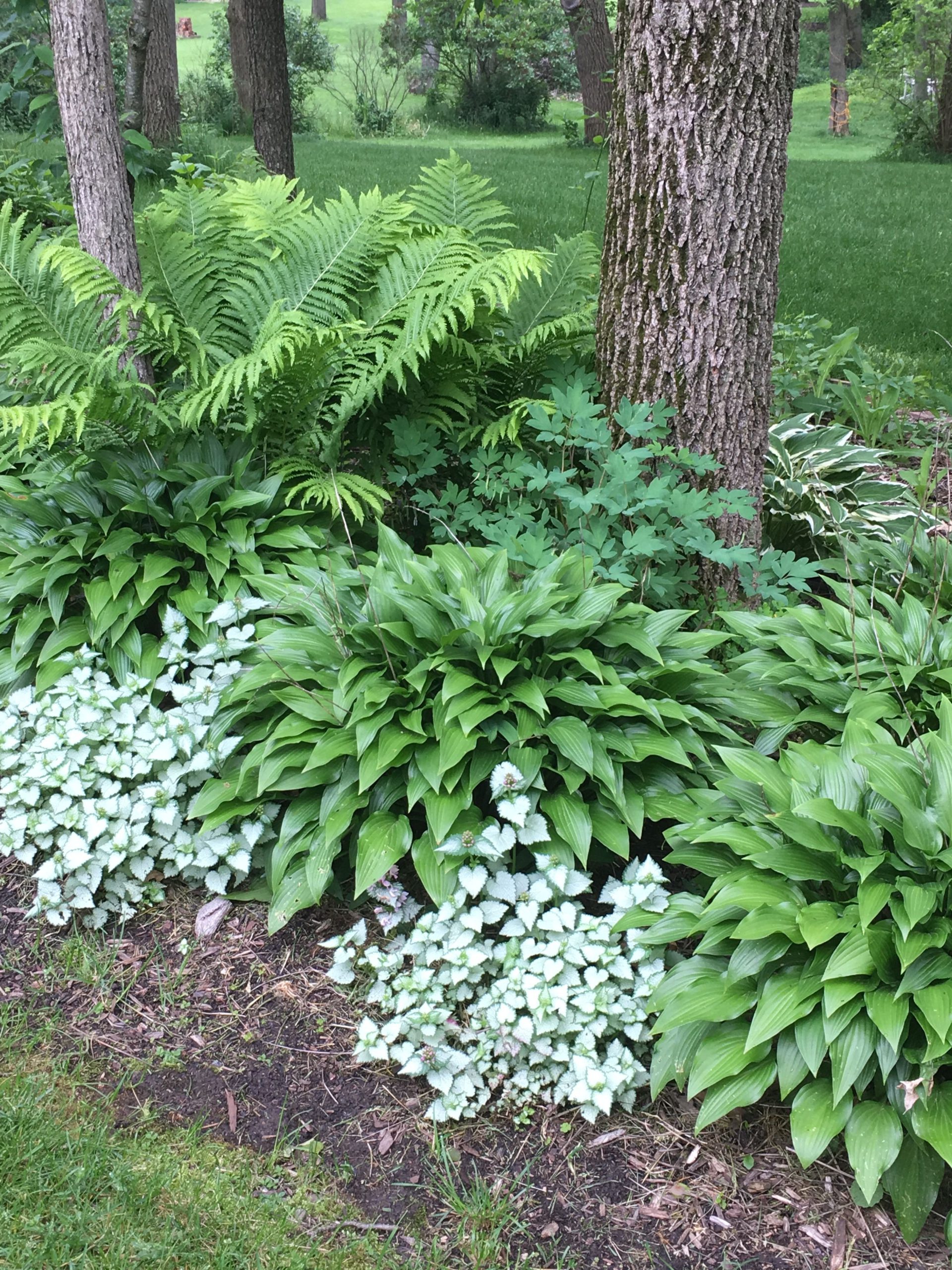
Add Space Between Plants

Sometimes, it will damage other plants and make them grow slowly. Thus, make a list to classify the massive growing plants, so you can find the best site for them. After that, you can grow them in garden soil with spaces for every plant. Also, some plants need regular pruning when growing like bushes.

6 of 19

  1. Add Various Plants

Garden is a useful site to grow various plants. This is more stunning if you arrange these plants in a certain site. Dozens of plants fit outdoor environments. Then, start to manage the site for that plants. You can divide them based on their appearance.
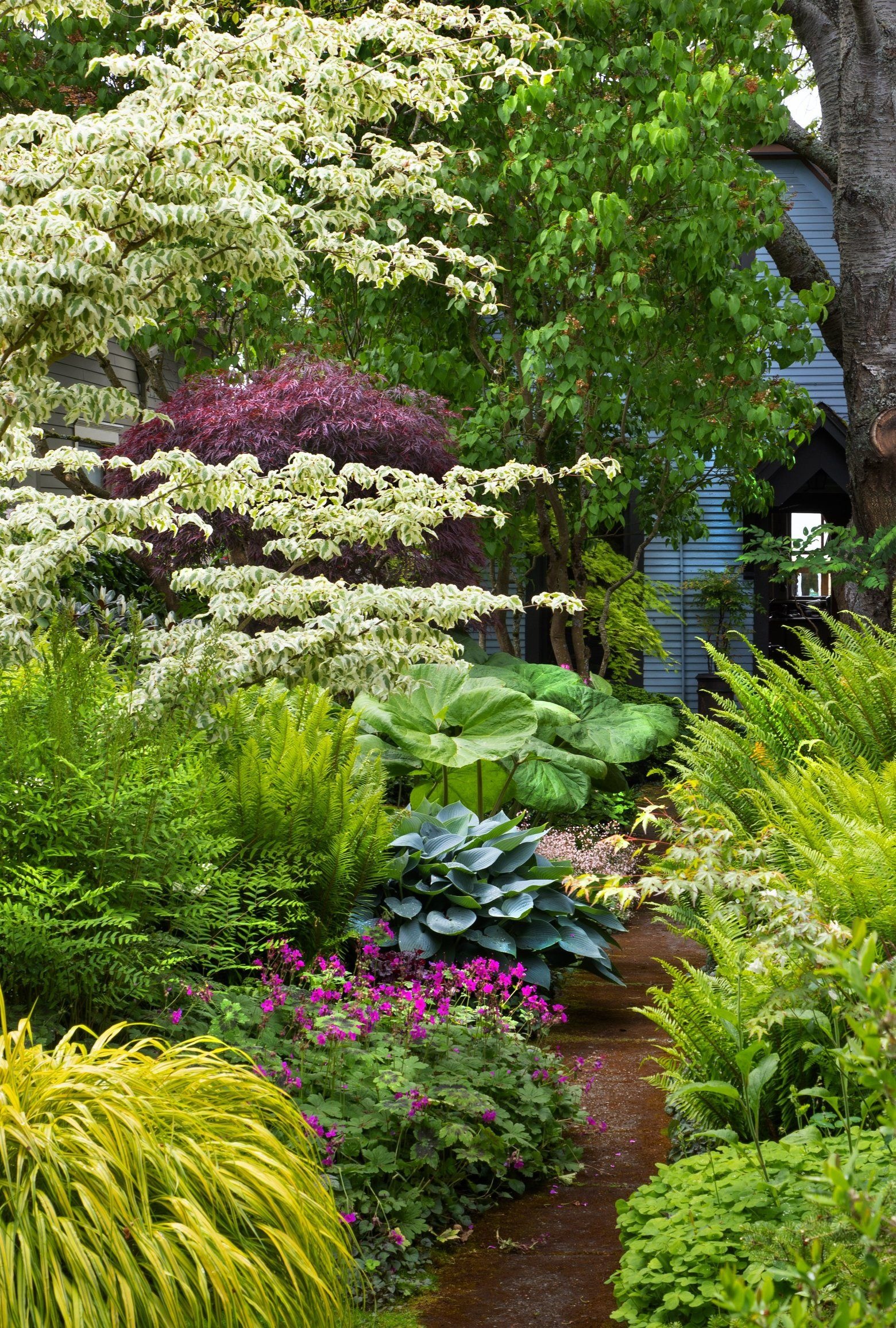
Add Various Plants

The thorny plants are safer to grow away from the garden path. You can grow roses along the pathway but it should be on the second layer. It is stunning to grow colorful flowers along the path. For example, you can grow coneflowers or marigolds. These plants are beautiful and easy to bloom.

7 of 19

  1. Growing Ornamental Green Lawn

The green lawn is an important element for garden landscapes. Most people grow green lawns for their gardens. It brings a fresh impression and a natural environment. Sometimes, a lawn can be costly and need intensive maintenance. Despite that, you will be happy to see a green landscape in your garden.
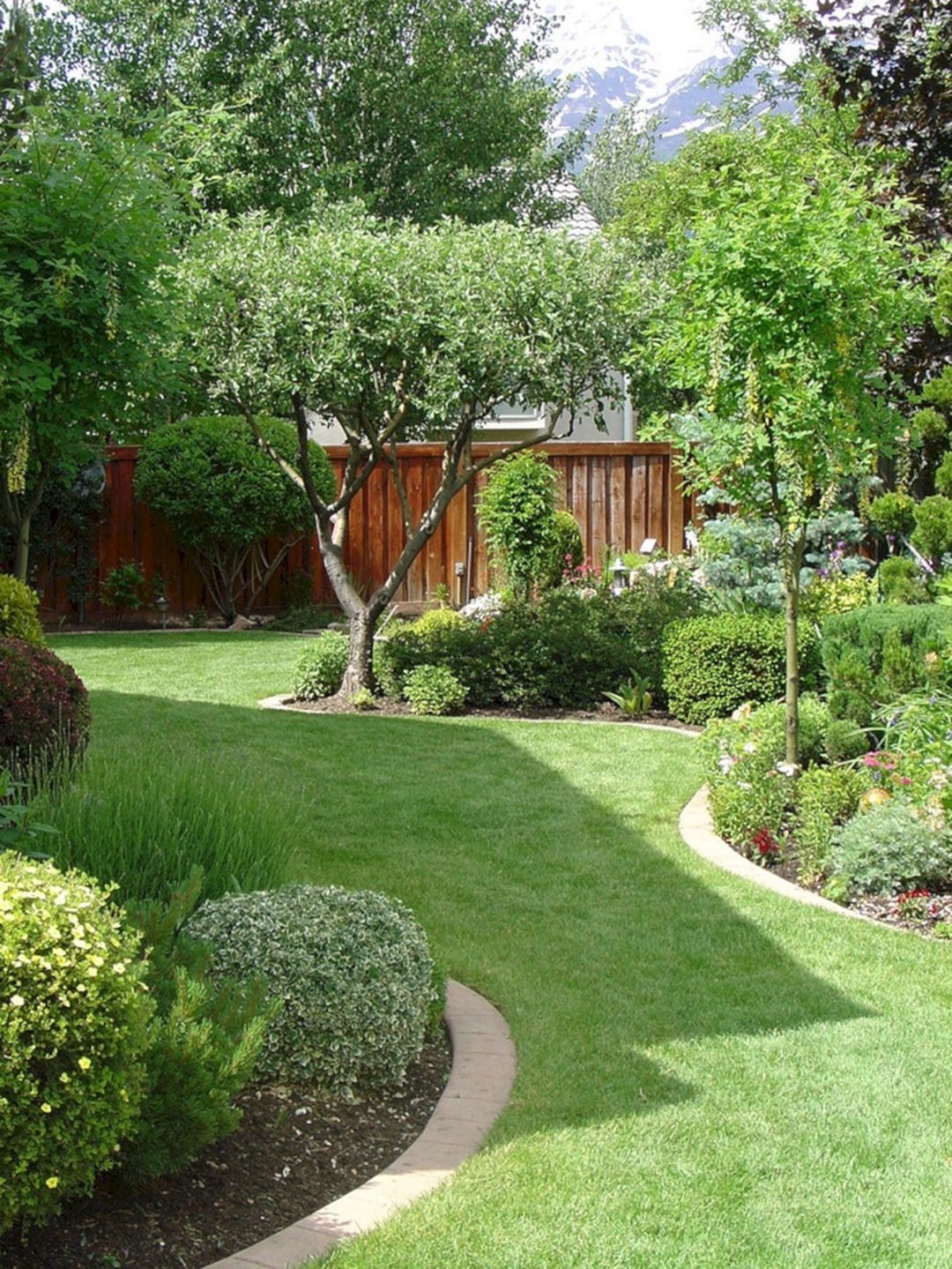
Growing Ornamental Green Lawn

Therefore, choose a garden lawn variety that fits your garden soil. Some lawn varieties need bright to partial shade. Also, you can choose a low-maintenance lawn. After growing the lawn, don’t skimp on the grass. Moreover, the green lawn is useful to absorb water in the soil.

8 of 19

  1. Add Various Flowers

Let’s see the next tip. It is a must-have plant to grow in your garden landscape. Many beautiful flowers offer stunning blooming and foliage. It gives an attractive accent to your garden landscape. Also, some plants have long-lived periods.
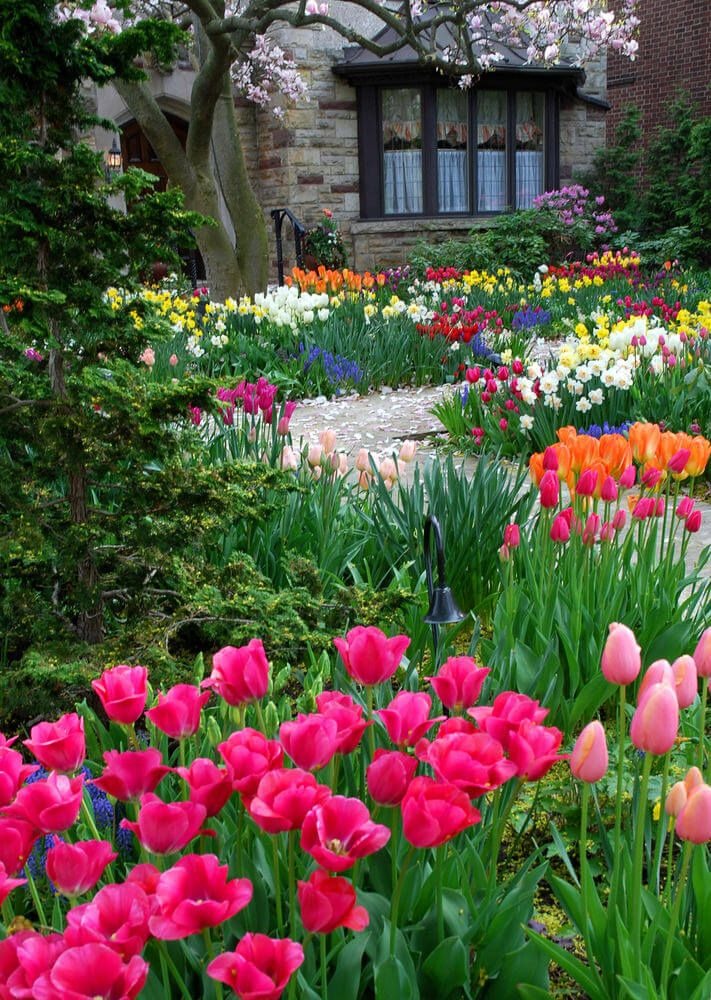
Add Various Flowers

Many popular flowers like Hydrangea, Cornus stolonifera, and Ilex verticillata grow in gardens. If you want a colorful accent all year round, then grow some flowers that bloom every season. It is interesting to grow them along the pathway or garden border. Sometimes, you need to prune a massive growing flower and plant the cutting parts in another place.

9 of 19

  1. Add Some Seats

It is an additional decor for your garden layout. Arrange some comfortable seats for a sitting area. This place is more stunning with decorative plants and beautiful paths. Some people like to use a single chair in an attractive site. This design is simple and easy to design.
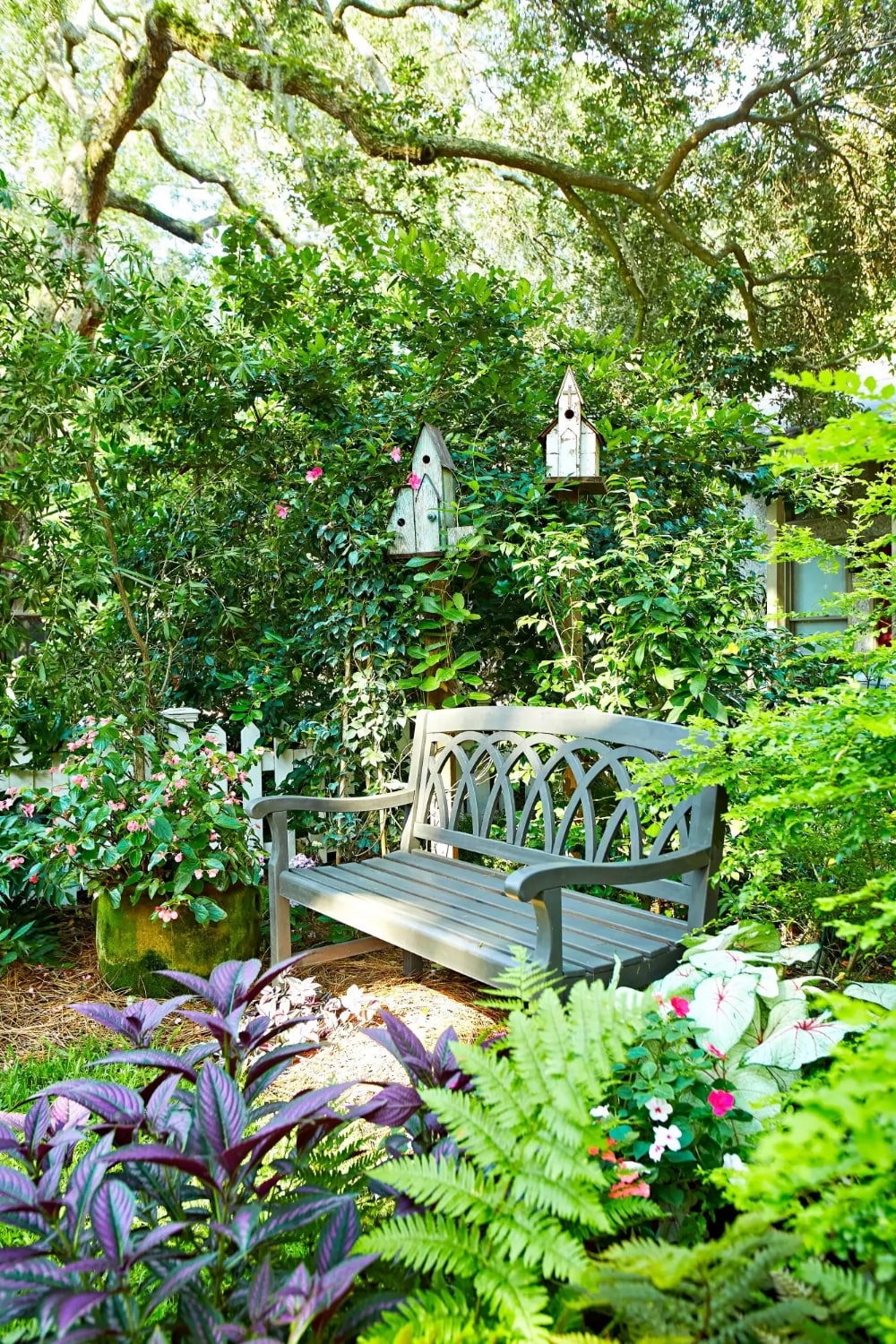
Add Some Seats

You can replace the chair with a long bench. It looks interesting to add a standing lamp near the bench if you want to enjoy a night atmosphere. Moreover, ensure it has a shady environment. Plant some trees and shrubs near the sitting areas. Then, it will be a comfy place during the day.

10 of 19

  1. Add Drainage System

A drainage system is an option element but it is important. Sometimes, people need electrical conduits and irrigation pipes in their gardens. These elements are helpful to install lighting for the garden landscape and drainage system. You can make an automatic watering system for your plants. Besides, it won’t declutter your garden landscape.
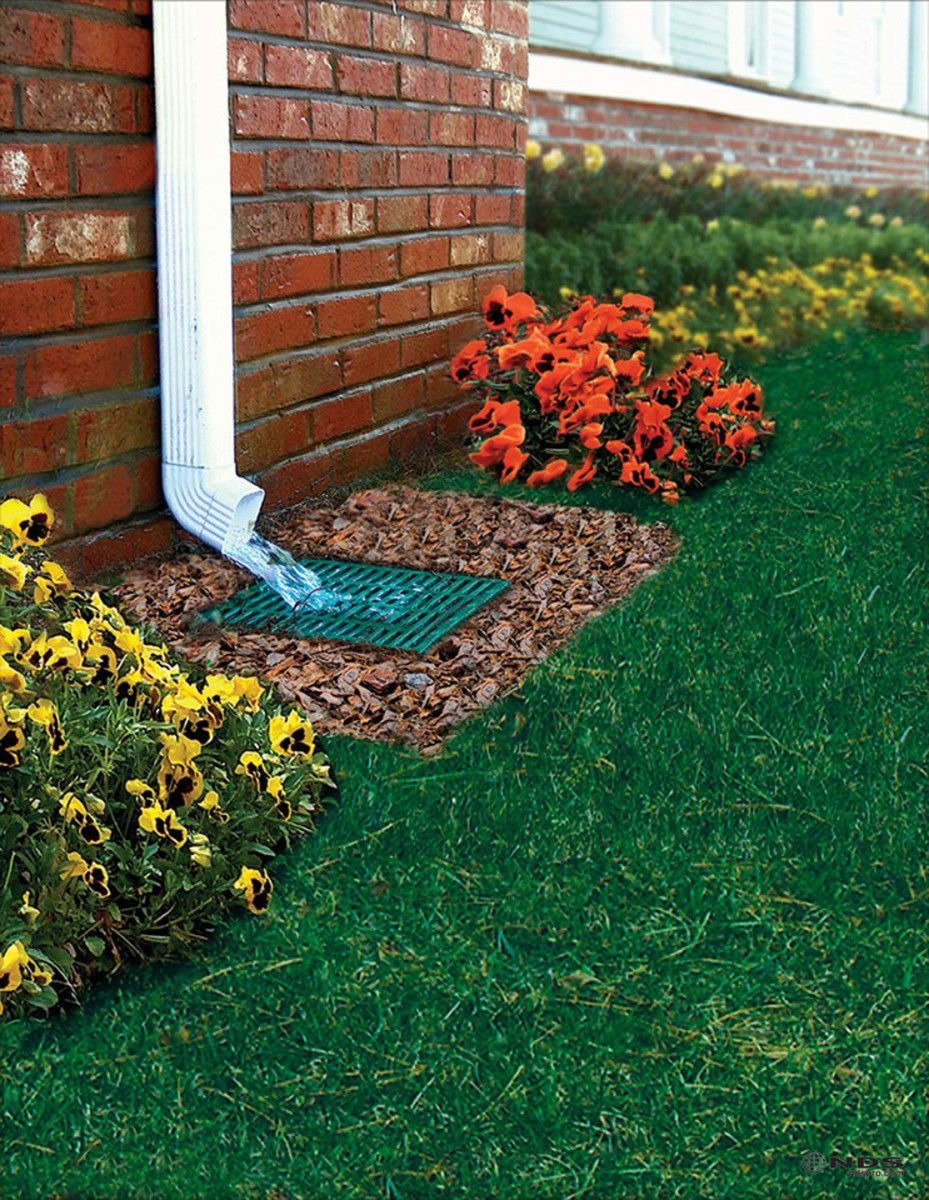
Add Drainage System

Moreover, this idea needs at least 18 inches deep to put the pipes. You can design it before growing plants and make a garden pathway. Besides that, if you don’t want to put the pipes inside the soil, you can make a simple and shallow ditch. It will reduce the water on garden soil during rainy days.

11 of 19

  1. Add Garden Lightings

Some gardeners put lighting in their gardens. It is helpful for a homeowner who wants to enjoy an outdoor atmosphere in the garden at night. Also, you can see a beautiful garden landscape when it gets some light. The lighting in the garden will shine this place and give a better view, in case someone tries to enter your territory at night.
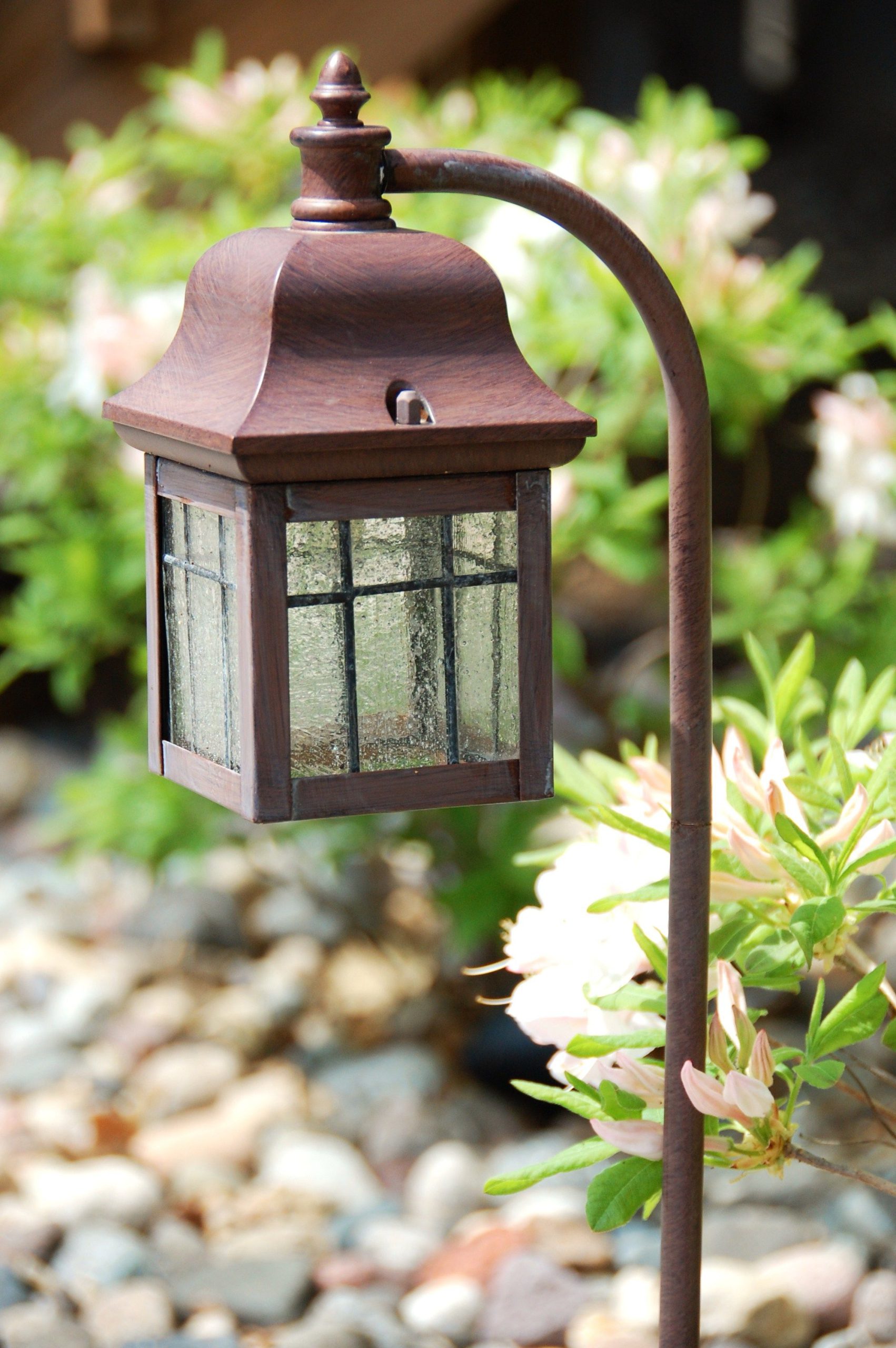
Add Garden Lightings

Many types of garden lights that you can choose from. The standing garden light is helpful to shine a wide area. Meanwhile, the ground light is useful to make a beautiful accent along the path. Also, you can install the string light that connects the garden to your patio. It is interesting to have such lights.

12 of 19

  1. Classifying the Sites

Designing a garden landscape needs a proper site for every plant. Also, some plants need bright indirect sunlight, some need full sun, and some need partial shade. Thus, classify the plants based on their need for sun exposure. It will help them to grow better.
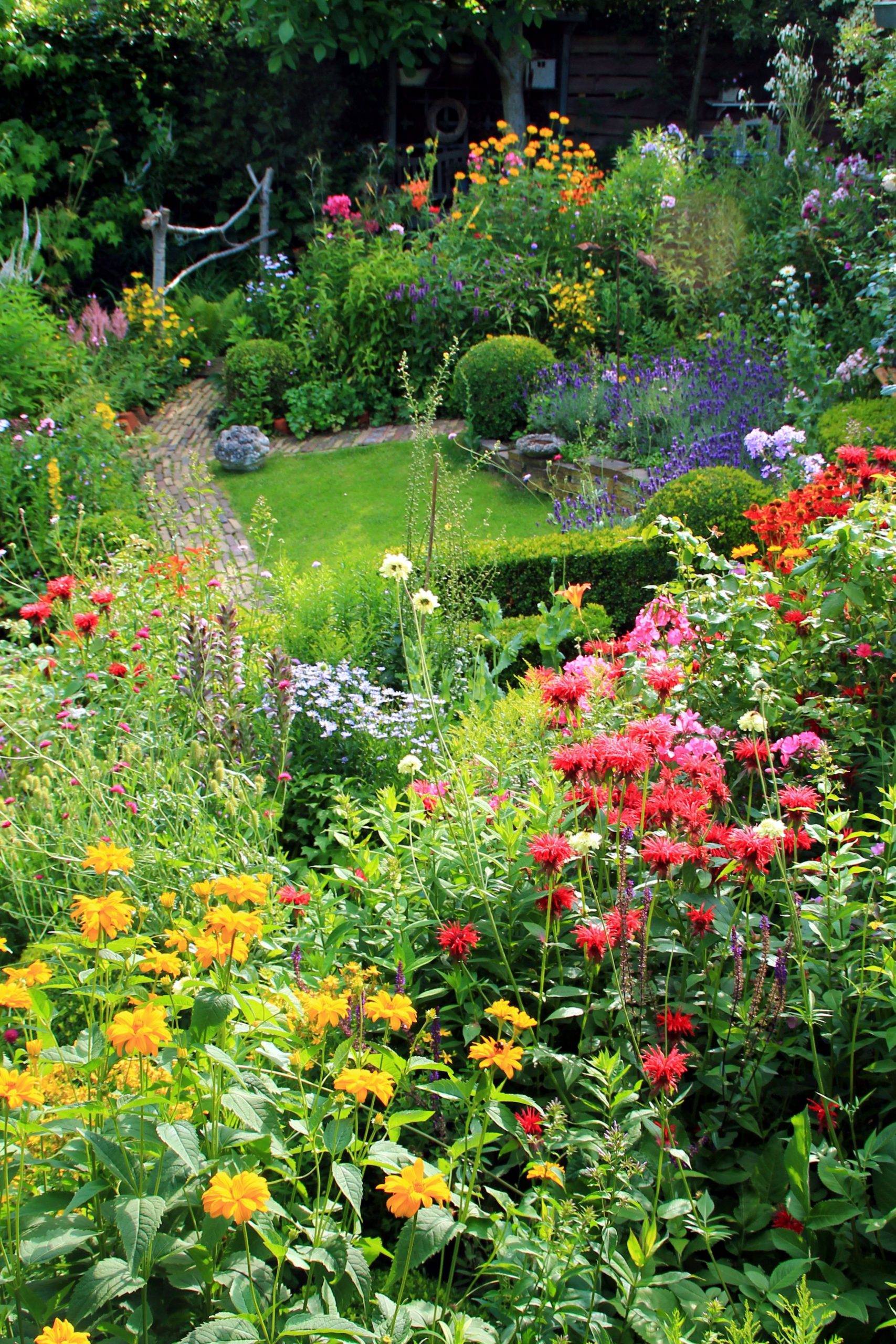
Classifying the Sites

Also, observe your garden from the early morning to evening. You will see some sites with different sun exposure during the day. Draw a simple garden layout before planting these plants. Furthermore, these plants should get enough water. The hotter site will need more water than the partial shade.

13 of 19

  1. Planning Garden Landscape with Plants

This tip relates to the previous one. You need to draw the garden layout with plants. Many options to grow plants. You can grow them directly on garden soil or use a raised bed. Also, measure the land that you need for every plant.
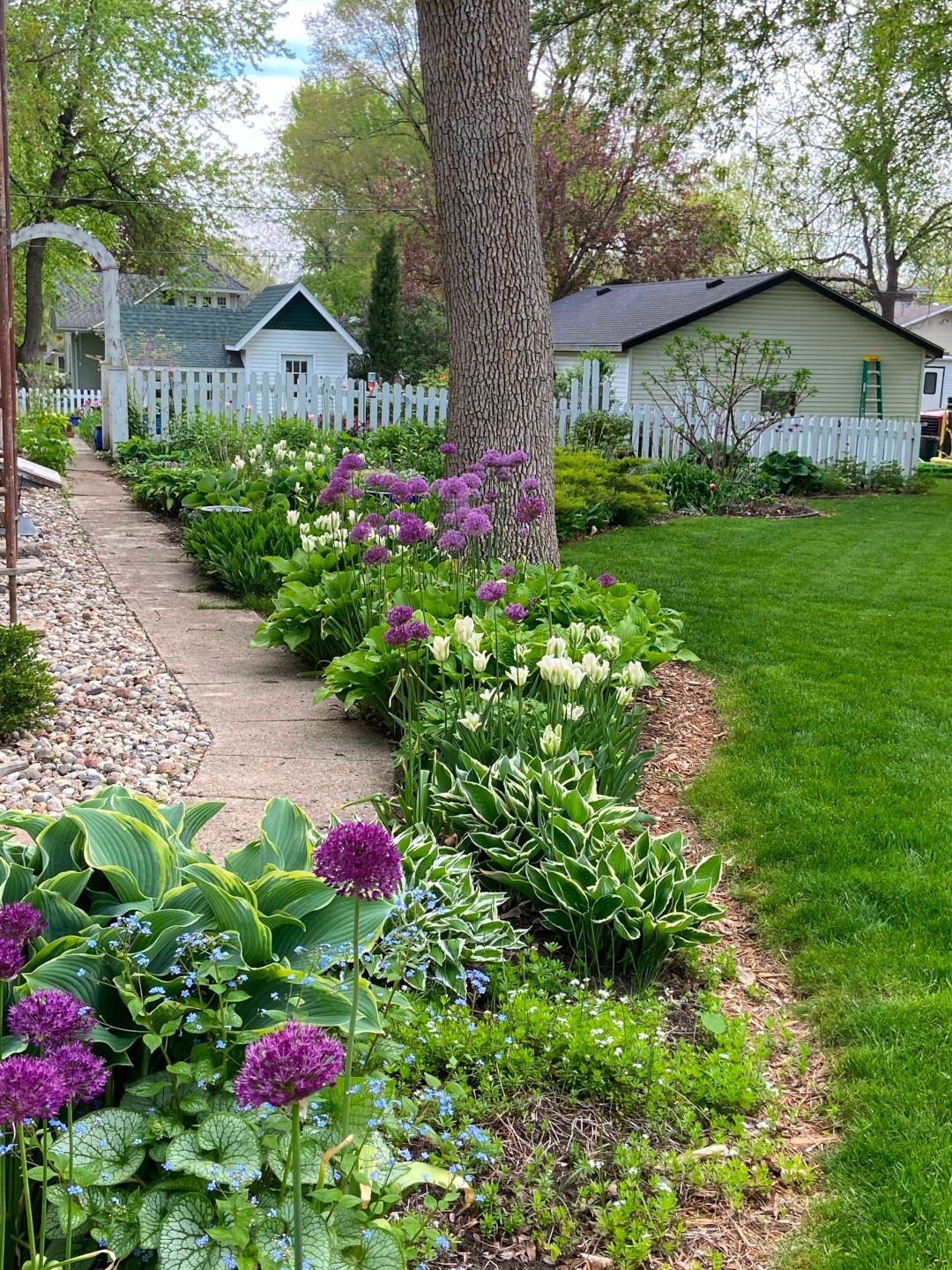
Planning Garden Landscape with Plants

Almost all garden landscapes have green lawns. If you have a green lawn too, you can use a garden container to grow plants. You don’t need to dig garden soil and mess up the lawn. Also, the raised bed is higher and gets more sun exposure Some plants that you can grow in a raised bed are herbs, vegetables, and small fruits like strawberry.

14 of 19

  1. Listing the Ornamental Plants

It is time to list the ornamental plants for your garden layout. Many outdoor ornamental plants that you can grow. It is an important element in the garden. You can classify flowery plants, leafy plants, shrubs, and trees. The trees should be on the sides of a garden path.
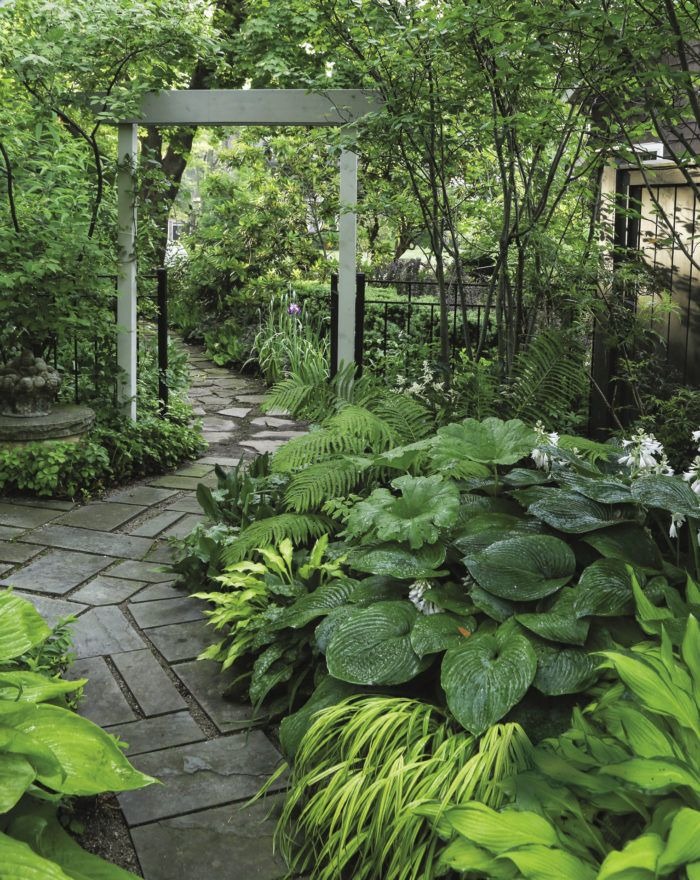
Listing the Ornamental Plants

Meanwhile, the shrubs are beautiful to grow in some spaces. Also, grow flowery plants in the high traffic path. It looks beautiful to see colorful flowers along the path. Then, the ornamental leafy plants will decorate the lower part. Also, some leafy plants are vining or creeping. They look stunning as a ground cover.

15 of 19

  1. Marking the Sites

You need to draw the garden layout for guiding you. Then, mark the garden based on your garden layout. Measuring the garden pathway and marking it with white signs. Do the same with arbors, archways, and areas for plants. It will make it easier to build your beautiful garden.
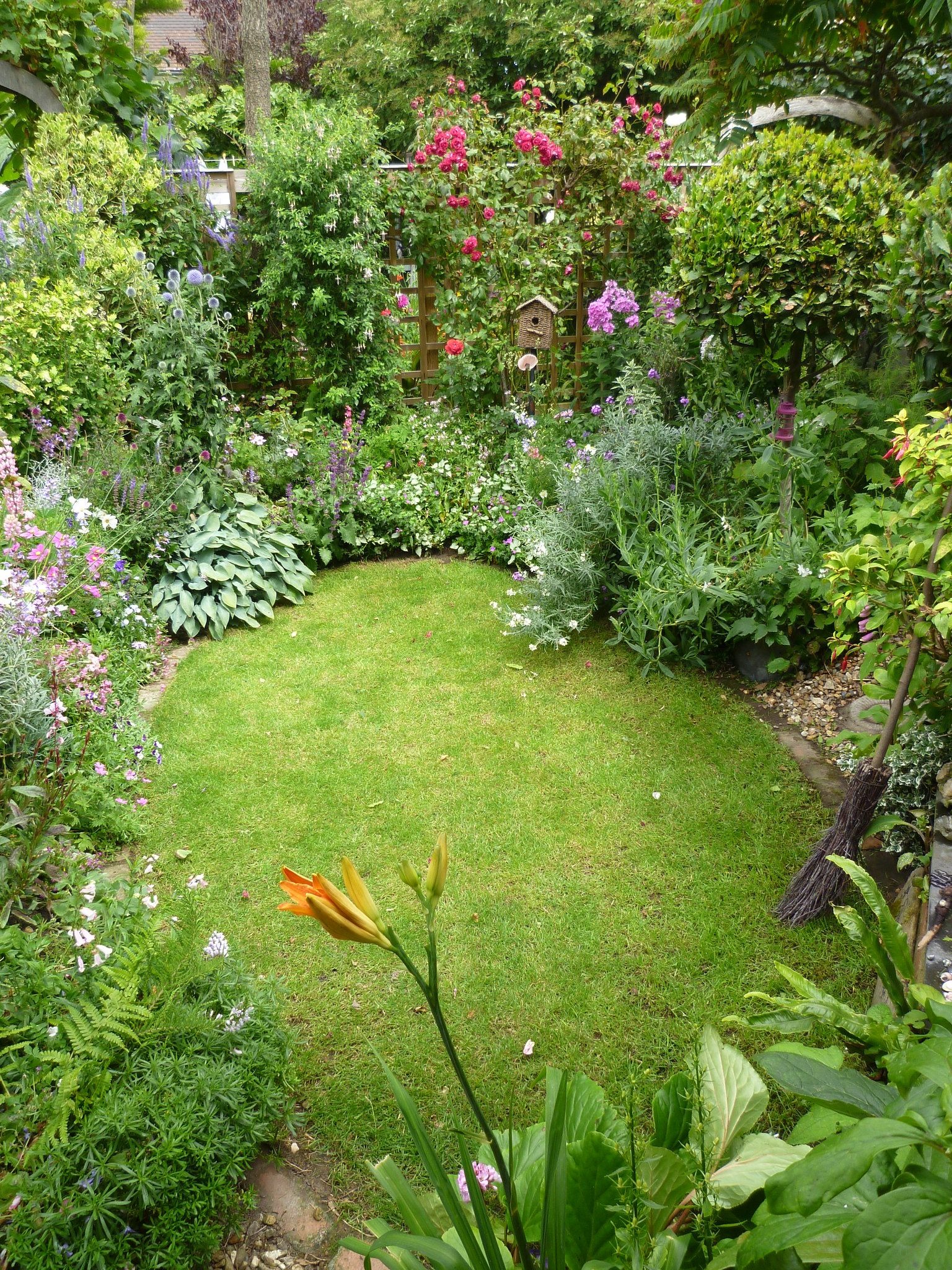
Marking the Sites

Besides, you can redesign it if you want to. Then, start to design it from the pathway. Then, build the archway, pergola, and patio. Also, you can make drainage systems in some sites. After that, you can plant trees, shrubs, and other plants. In addition, grow a green lawn for your garden. It makes a good combination for an exterior.

16 of 19

  1. Keep Watering the Beautiful Lawn

Growing green lawns is not easy. You need to keep it fresh. Always do regular watering to stimulate their growth. The new growing lawn needs adequate water as it emerges roots. Also, you need to observe all sides of your garden lawn every week.
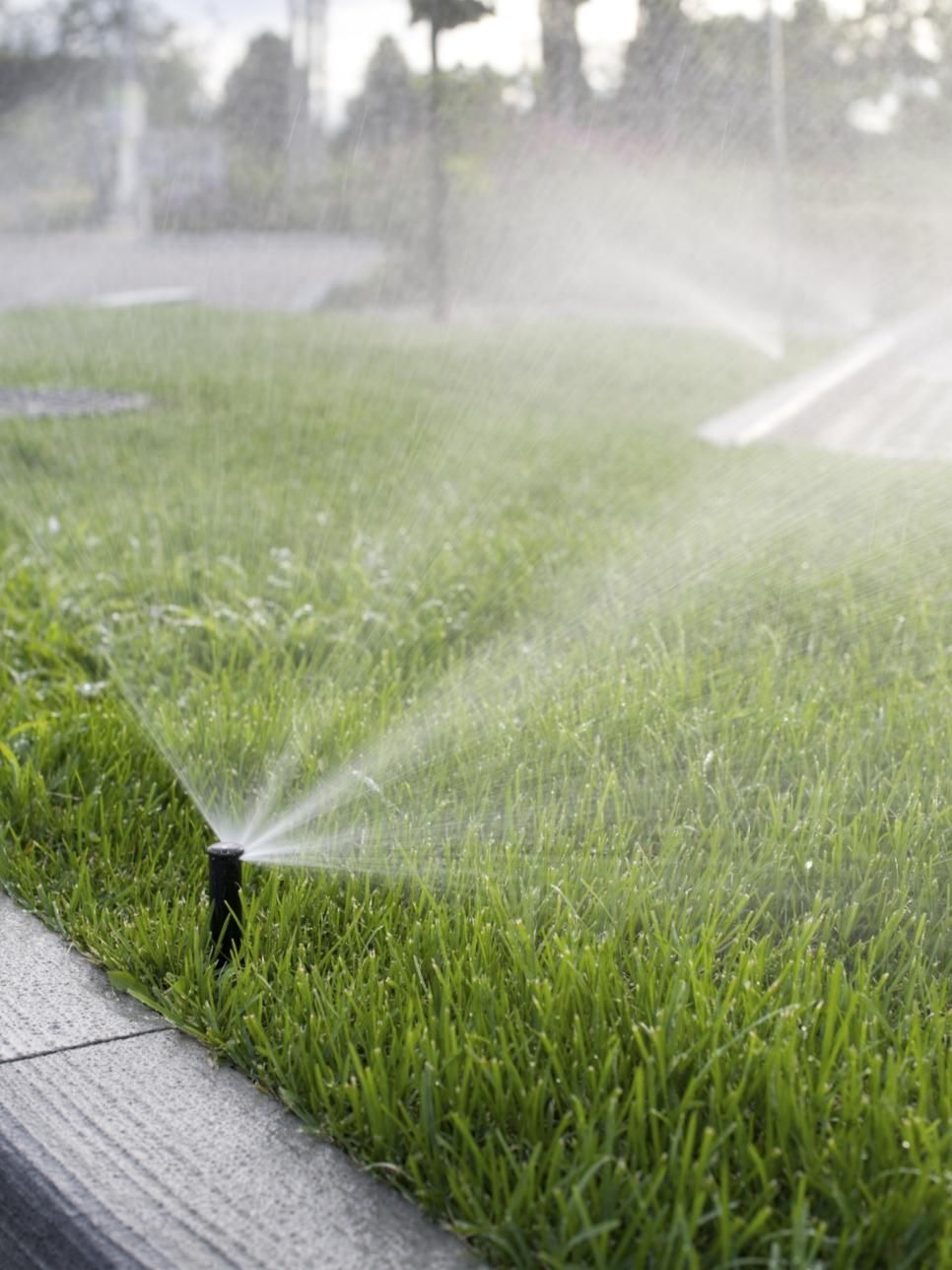
Keep Watering the Beautiful Lawn

If you see a space, maybe the lawn doesn’t grow properly. You need to regrow this part, add soil nutrients or fertilizer, and water it. This step will repair the space gradually. If it is still empty, then fill it with other plants. It looks interesting to grow a ground cover with colorful tiny flowers.

17 of 19

  1. Listing the Needs for Planting

This is a must-have thing to do before planting anything. You need to know how much it cost for growing plenty of plants. If you have some ornamental plants then you can cut off some budgets. Besides, many elements that you need to put on budget lists. There are fertilizers, soil materials for plants in containers, etc.
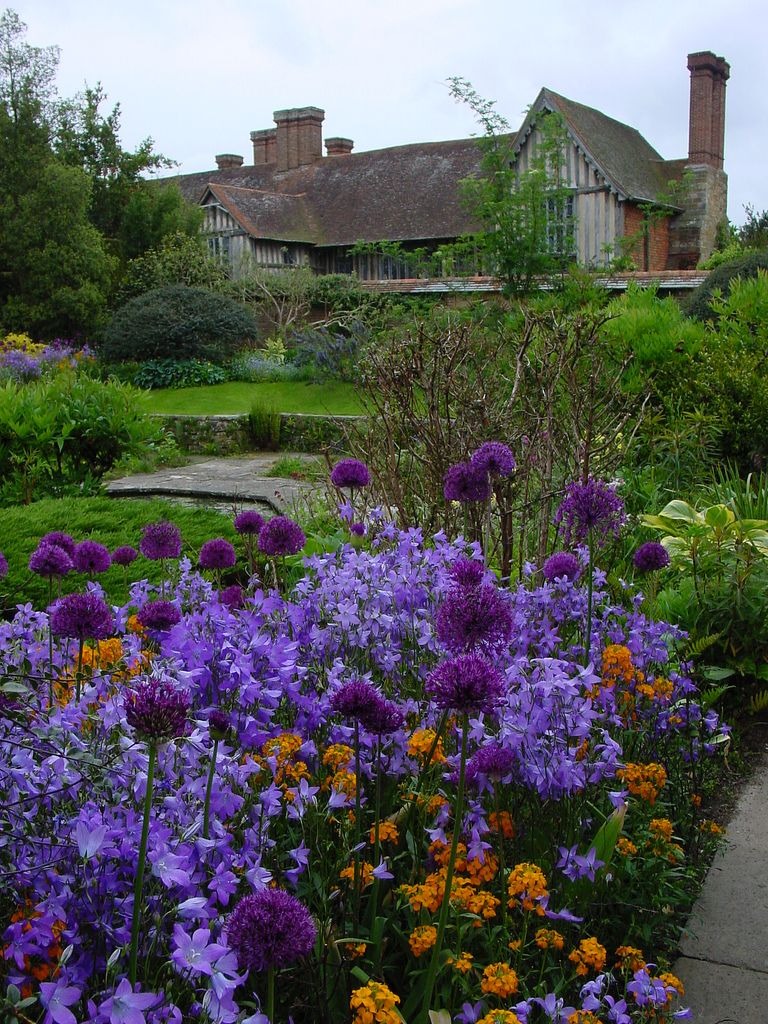
Listing the Needs for Planting

Also, it is better to write all garden tools that you may use. It is helpful to always check the lists before designing the garden. Moreover, additional parts like the patio, pathway, archway, and garden lighting should be on the list as well. This note will guide you to always be on the plan.

18 of 19

  1. Add Fountains

A garden fountain is an additional element. It loads water for plants in the garden. Also, you can grow some water plants in this fountain. Many fountain designs that you can choose from. There are fountains with 3 to 5 tiers.
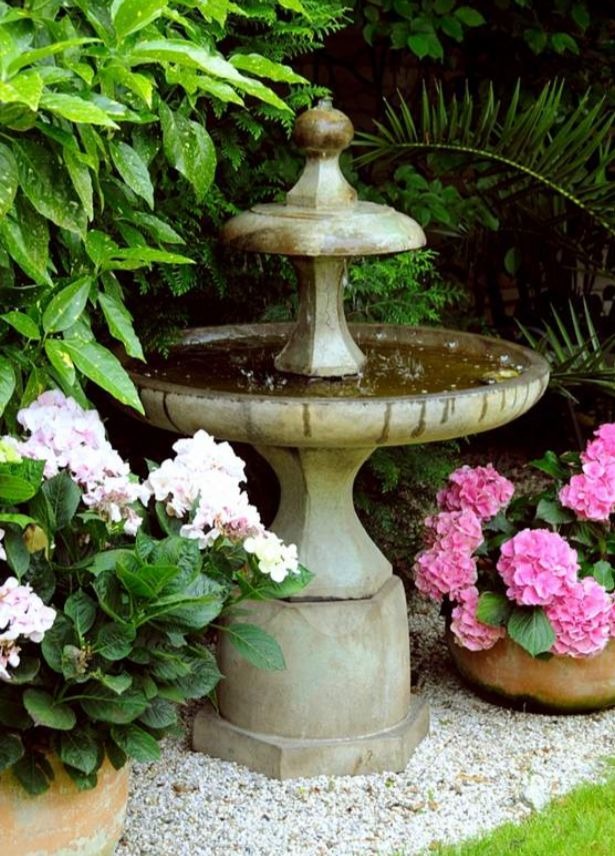
Add Fountains

Moreover, a fountain in this garden can be a focal point. You can put a fountain near the sitting area. So, everyone can see this beautiful water flow. Besides, there are smaller fountains that you can put on some sites. It is versatile and can reach narrower places.

19 of 19

Thus are 19 Tips for Garden Layout: Make Proper Preparations Before Designing. You need to prepare many things before designing an attractive garden layout. There are pathways, an archway, a fountain, a drainage system, a lawn, and ornamental plants. Ensure that you make the garden layout first before starting this all. Hopefully, this post will help you to create an interesting garden. Happy gardening!
19 Cacti for Beginner Gardeners with Short Guides, Start The Succulent Garden from Now

0

Homesfornh.com – Cactus is a part of succulents. It is a perennial plant with thick herbaceous. Some Cacti have woody stems that contain chlorophyll. This succulent has many varieties. Most people grow Cacti for indoor or outdoor decor. This houseplant is drought resistant, so it will grow well in almost all conditions. Here, are Cacti varieties that are easy to grow and best for beginner gardeners. Read on the 19 Cacti for Beginner Gardeners with Short Guides, Start The Succulent Garden from Now below!

  1. Schlumbergera

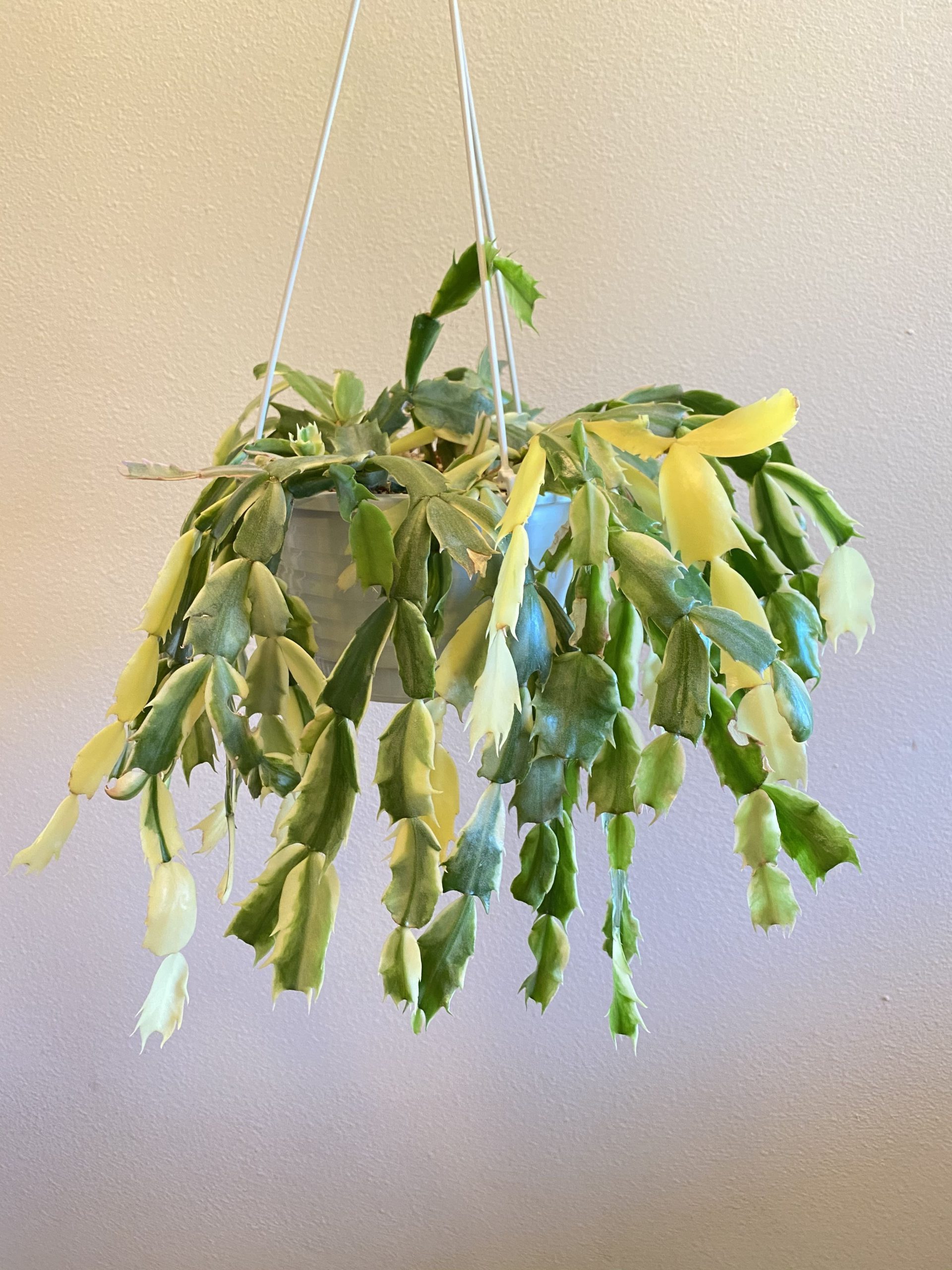
Schlumbergera is the first variety in this list. It has a beautiful appearance. Schlumbergera is also known as Christmas Cactus. The tender stems are stunning when growing long. There are some nodes along the stem.

Schlumbergera

Even though Schlumbergera is a succulent, it can’t take full sun. This plant prefers bright to partial sunlight. Also, this cactus needs enough water to keep the soil moist. You can check the topsoil every week. Then, water it thoroughly when it gets dry.

1 of 19

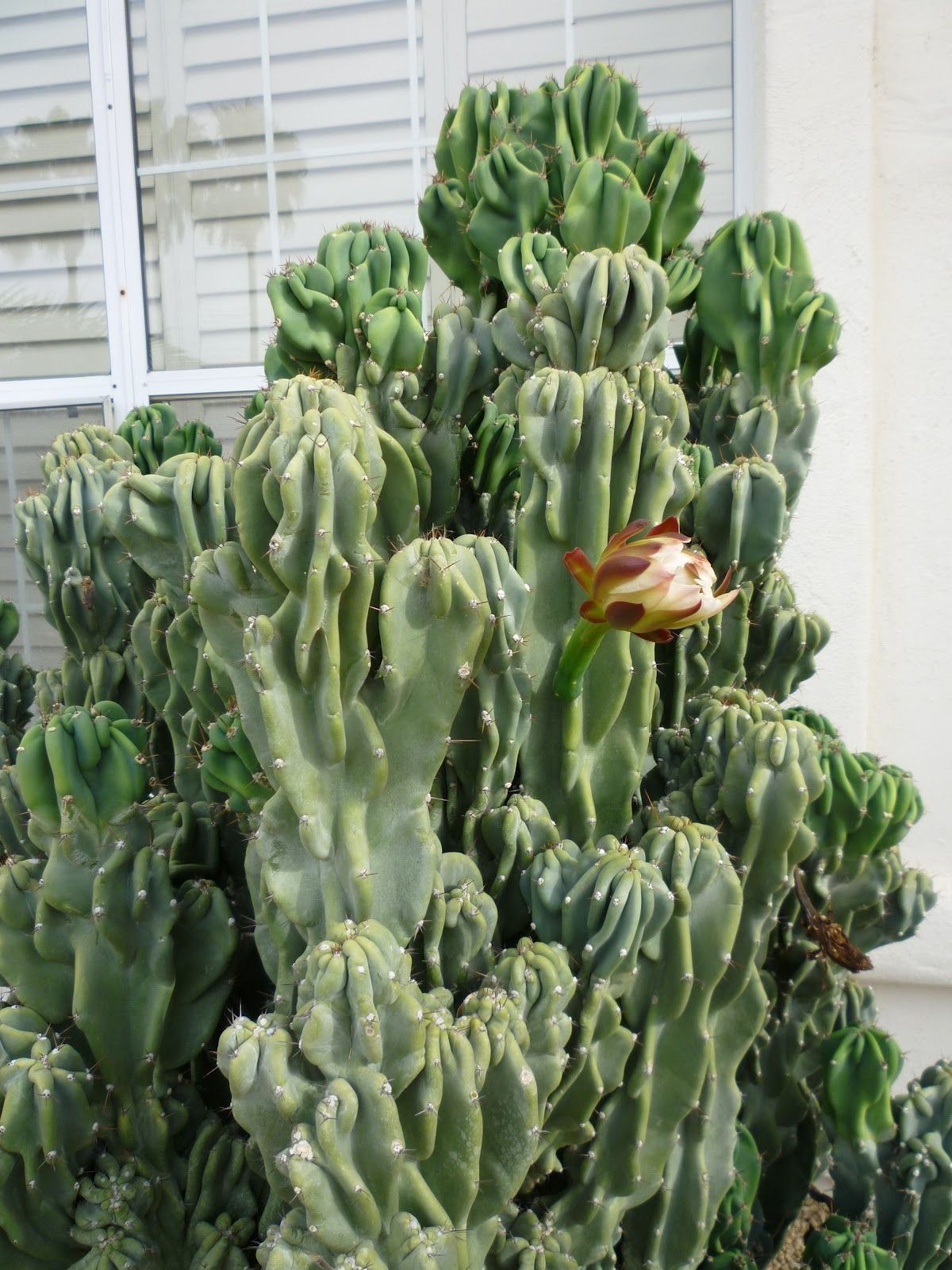
  1. Cereus

Cereus is a desert cactus. This plant lives well in hardy conditions. It grows taller up to 15 meters in a good environment. Cereus has 30 species, so you have some options to grow it in your garden. Yes, it grows best outdoors because it has a tree shape.

Cereus

Cereus blooms white flowers at night during spring seasons. These white flowers are fragrant and stunning for a garden landscape. You can grow Cereus with other succulents. It looks interesting to cover the soil with rocks around Cereus plants. The rocks will keep the soil moist.

2 of 19

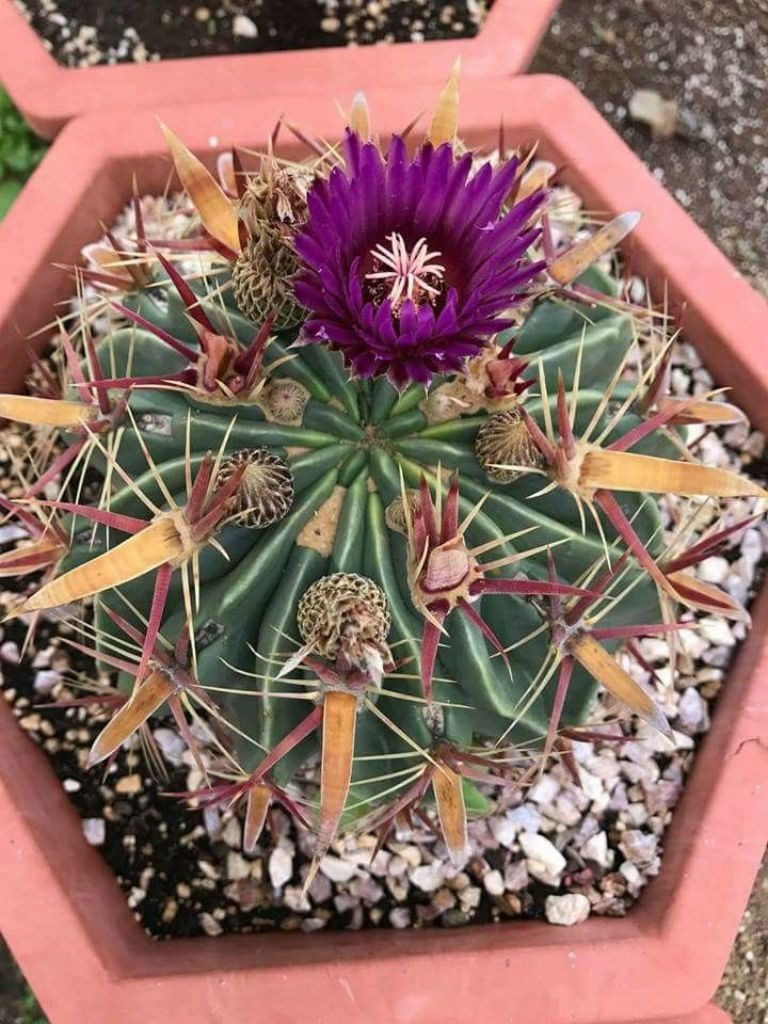
  1. Ferrocactus

Ferrocactus is an easy-growing plant. It loves high humidity and bright to partial sunlight. The best temperature to grow it is a little frost-hardy. Meanwhile, it grows best in acidic to neutral soil. You can mix these soil materials to thrive on Ferrocactus.

Ferrocactus

Besides, this succulent has an attractive appearance. It has reddish-orang petals when flowers. These flowers appear in a central ring. Like other cacti, it requires water when the topsoil dries. This drought resistant will grow better in a healthy environment with enough water.

3 of 19

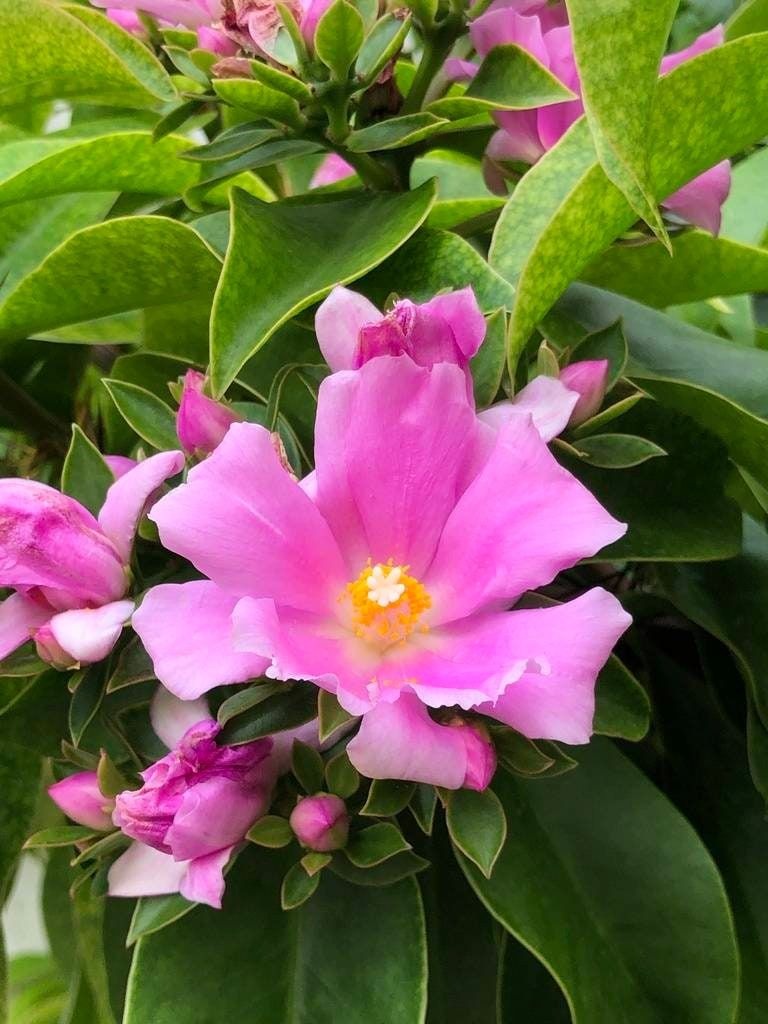
  1. Pereskia

Pereskia is an attractive genus. This plant has spines even though it doesn’t look like a cactus. Pereskia has more than 17 species and some of them are easy to grow. The beginner gardener can grow Pereskia with minimum skills. This plant requires basic needs to grow well.

Pereskia

Moreover, Pereskia is also known as Rose cacti or Lemon Vines. This succulent can climb on something or grow like a good shrub. Thus, this cactus variety grows best outdoors. Besides, Pereskia loves warm places. Then, it will grow up to 10 meters tall.

4 of 19

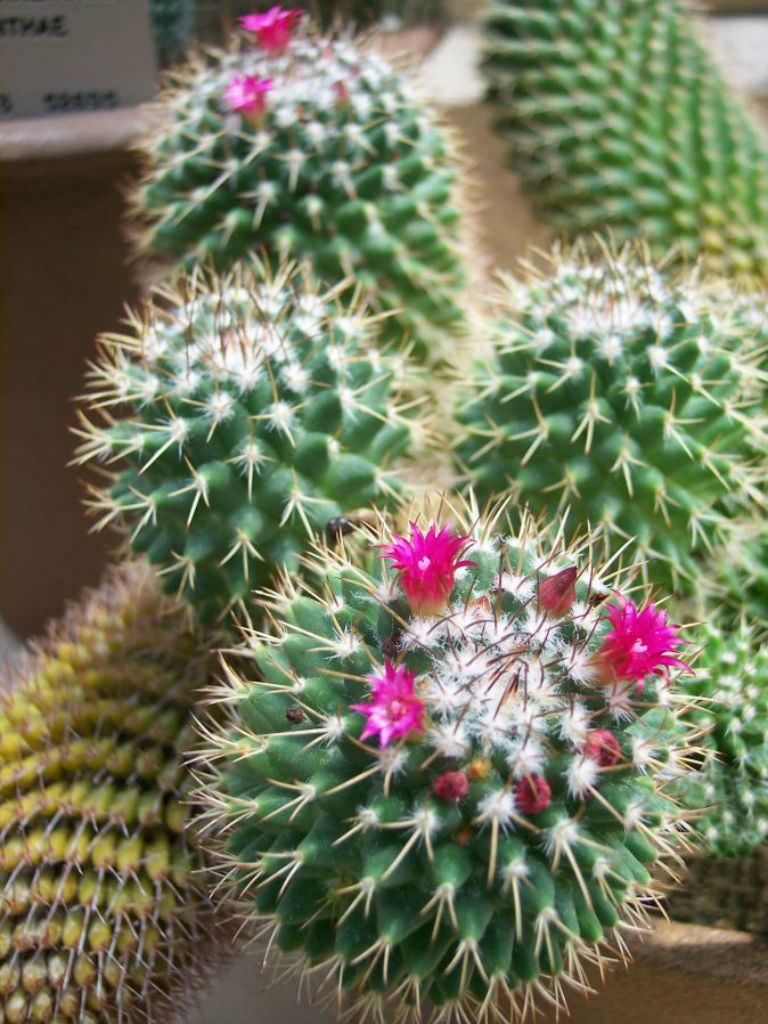
  1. Mammillaria

Mammillaria is a good choice for beginner gardeners who want to grow Cactus. Mammillaria has a stunning appearance like a thorny ball. This cactus can bloom striking tiny flowers during warm seasons. As a succulent, this cactus is drought tolerant. Mammillaria needs little water from spring to fall seasons.

Mammillaria

Then, never water this plant during the winter season. Ensure to avoid excess watering to keep their roots healthy. Besides, Mammillaria is stunning to grow in a container indoors. It is important to put it under bright to partial sunlight. Mammillaria can’t live well under low to poor light.

5 of 19

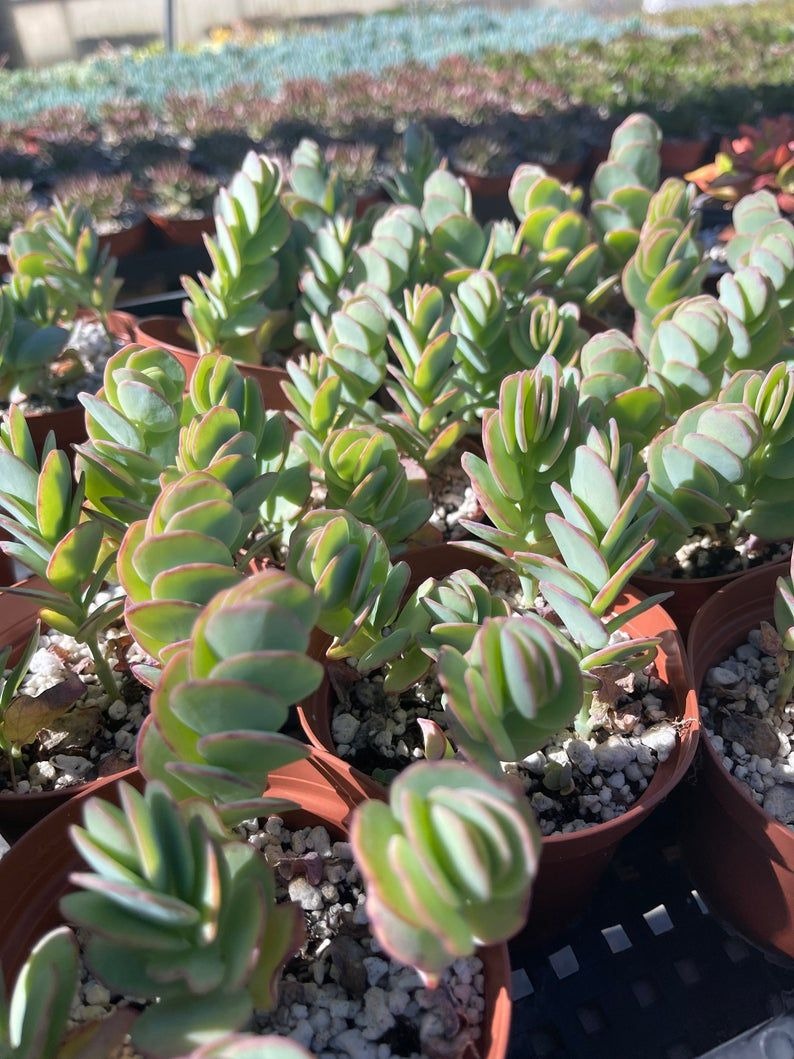
  1. Kalanchoe

Kalanchoe is a popular houseplant. This plant doesn’t look like a cactus. Kalanchoe is easy to grow for beginner gardeners. It has tender stems and fleshy leaves. Also, Kalanchoe blooms beautiful tiny flowers during warm seasons. You can grow Kalanchoe indoors and outdoors.

Kalanchoe

This succulent tolerates sandy soil. It grows well in soil with minimum water as well. Despite that, it is better to grow Kalanchoe in a good environment. Moreover, Kalanchoe doesn’t need much light. It is okay to grow Kalanchoe in low to partial sunlight.

6 of 19

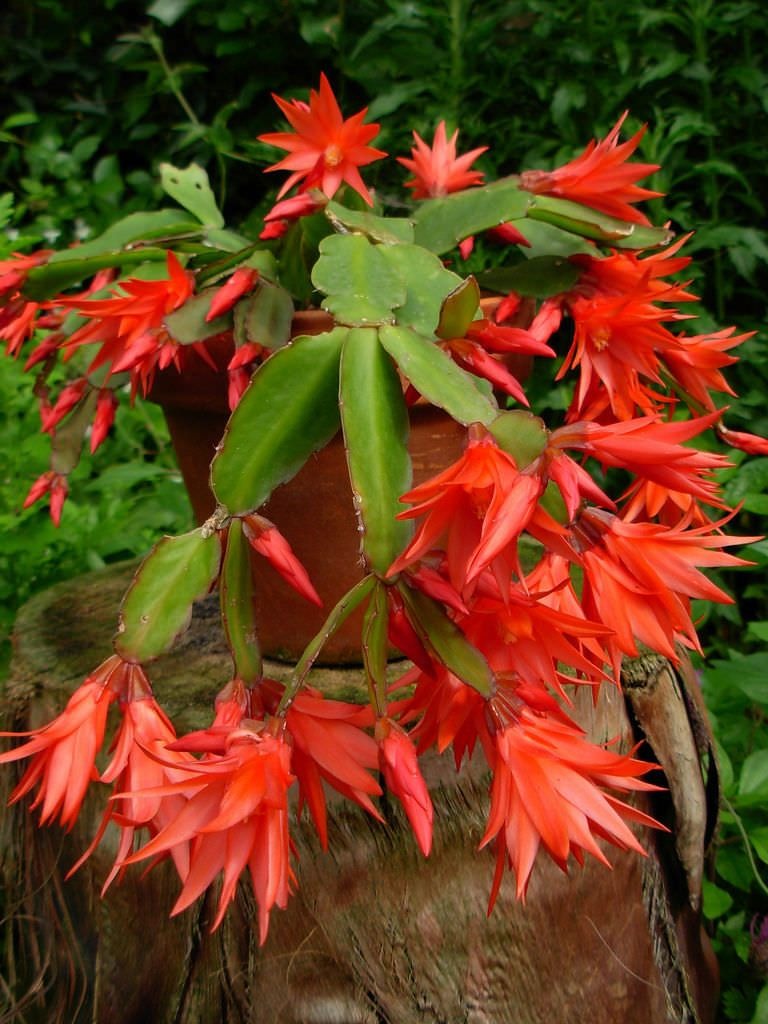
  1. Hatiora

Hatiora will be a nice choice. It is a tropical cactus that grows well indoors and outdoors. Some Hatiora varieties can grow like shrubs. It will make an interesting accent for your garden landscape. Also, this succulent is one of the Cacti that is easy to grow for beginner gardeners.

Hatiora

Hatiora is also known as the Easter cactus. It doesn’t like moist soil and prefers well-draining soil. Thus, it is important to avoid overwatering. This easy-growing plant is a sun lover. You can grow Hatiora in a place that gets bright to partial sunlight.

7 of 19

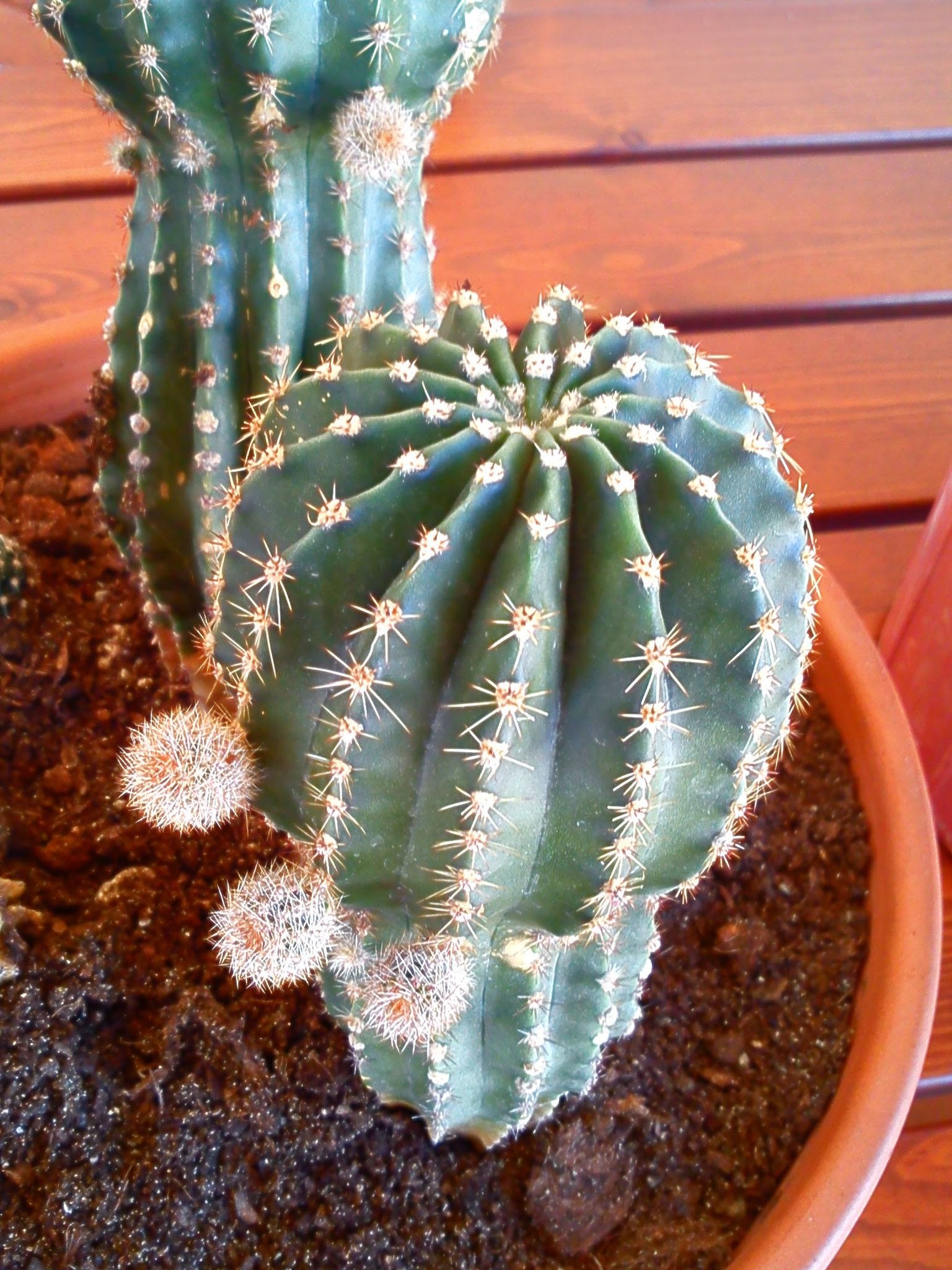
  1. Echinopsis

Echinopsis is a cute cactus. It is also known as Sea Urchin and Hedgehog Cactus. This plant has a small ball appearance. Echinopsis is an interesting cactus because it has many colors. It is an easy-growing cactus for beginner gardeners.

Echinopsis

Echinopsis is drought tolerant. It can’t live in a soggy pot because it will rot its roots. Echinopsis blooms from spring to summer seasons. This plant requires adequate water thoroughly. Then, don’t water this plant during the winter seasons.

8 of 19

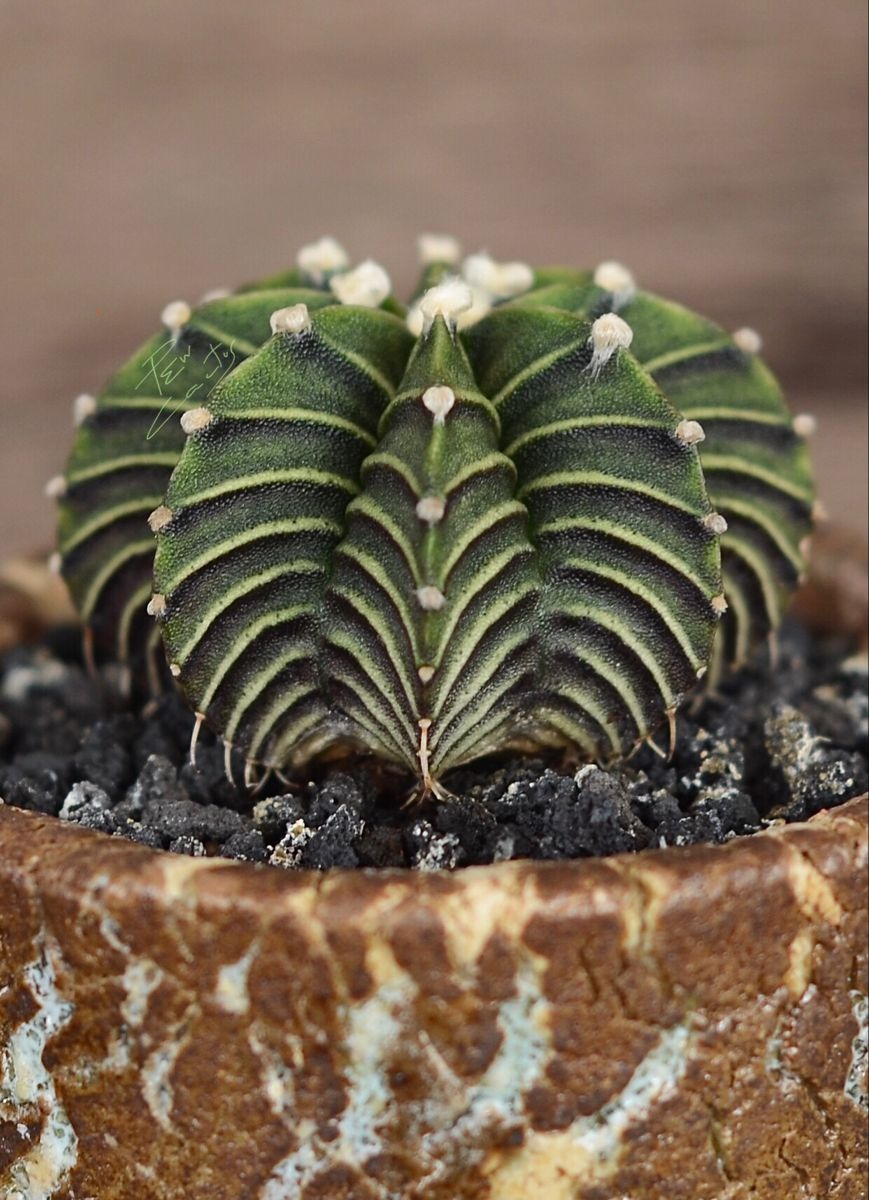
  1. Gymnocalycium

Gymnocalycium is a small cactus. It looks like a thorny ball. This requires enough water from spring to summer seasons. Then, pour a little water during winter seasons and cool climates. Always check the topsoil before watering the Gymnocalycium cactus.

Gymnocalycium

Moreover, it needs bright sunlight to keep growing well. Despite that, it can’t take much sunlight all year round. Extreme sunlight will damage this cactus. Otherwise, let this cactus be dormant during the winter seasons. The extreme frost in moist soil will damage this cactus as well.

9 of 19

  1. Barrel Cactus

Barrel Cactus is a small cactus. This succulent is a desert plant. It has a thorny surface and a yellow center. Barrel Cactus is stunning to grow as an indoor and outdoor plant. As a beginner gardener, you can grow Barrel Cactus in a small pot. Then, prepare succulent soil materials.

Barrel Cactus

There are perlite, compost, and potting soil to grow Barrel Cactus. Ensure that it gets well-draining soil. Then, watering this plant once when the topsoil is dry. It is okay to grow Barrel Cactus in minimal water. Like other succulents, Barrel Cactus loves bright sunlight. Thus, keep growing this plant under full sunlight.

10 of 19

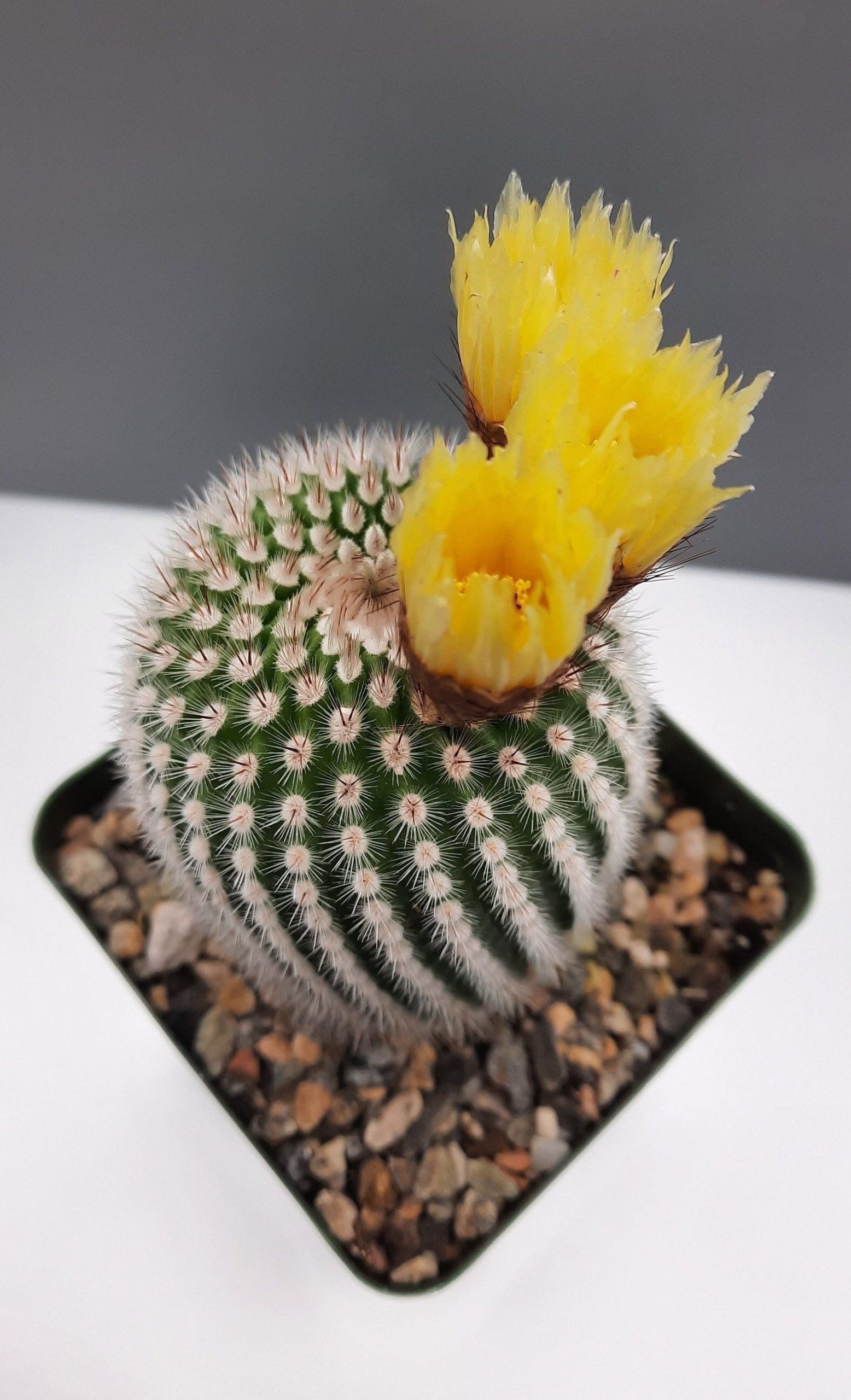
  1. Parodia

Parodia is another small cactus. It has a round shape with thorny surfaces. This plant grows well during the spring to summer seasons. Parodia loves succulent potting soil and moist conditions. Watering this cactus thoroughly during dry seasons. Otherwise, let it be dormant during the winter seasons.

Parodia

Parodia is a sensitive plant and can’t take excessive water. Thus, always check the topsoil before watering. This cactus looks interesting to grow indoors and outdoors. Parodia can grow up to 1 meter tall under bright indirect sunlight. It will bloom colorful flowers during the spring to summer seasons.

11 of 19

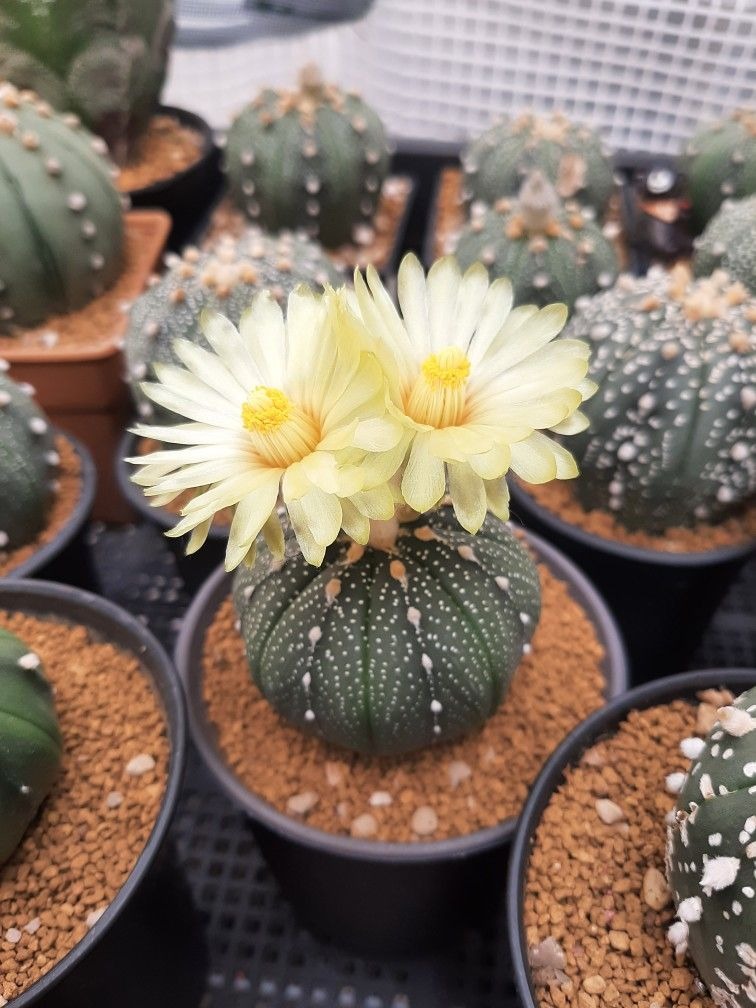
  1. Astrophytum

Astrophytum is an ornamental plant. It is a bit hard to grow Astrophytum for a beginner gardener. Astrophytum is a slow bloomer over the years. Also, it needs regular watering during growth. Always let the topsoil dry thoroughly before the next watering.

Astrophytum

Astrophytum has a global appearance. It makes Astrophytum perfect as a houseplant. You can use succulent potting soil. Also, ensure it gets well-draining soil. Astrophytum requires bright to full sunlight to grow well.

12 of 19

  1. Hoya Heart Cactus

Hoya Heart Cactus or Hoya Kerrii is an interesting plant. This succulent is a perfect choice for a beginner gardener. You can grow Hoya Heart Cactus in a pot. It requires succulent potting soil and full sunlight. If you grow it indoors, then put it near a window sill.

Hoya Heart Cactus

Hoya Heart Cactus needs moderate water. You can water this plant every 3-4 weeks. This succulent is a vining plant, thus it needs a stand. It is helpful to add a small trellis or a stick for their vines. You should be patient when growing Hoya Heart Cactus because it will mature slowly.

13 of 19

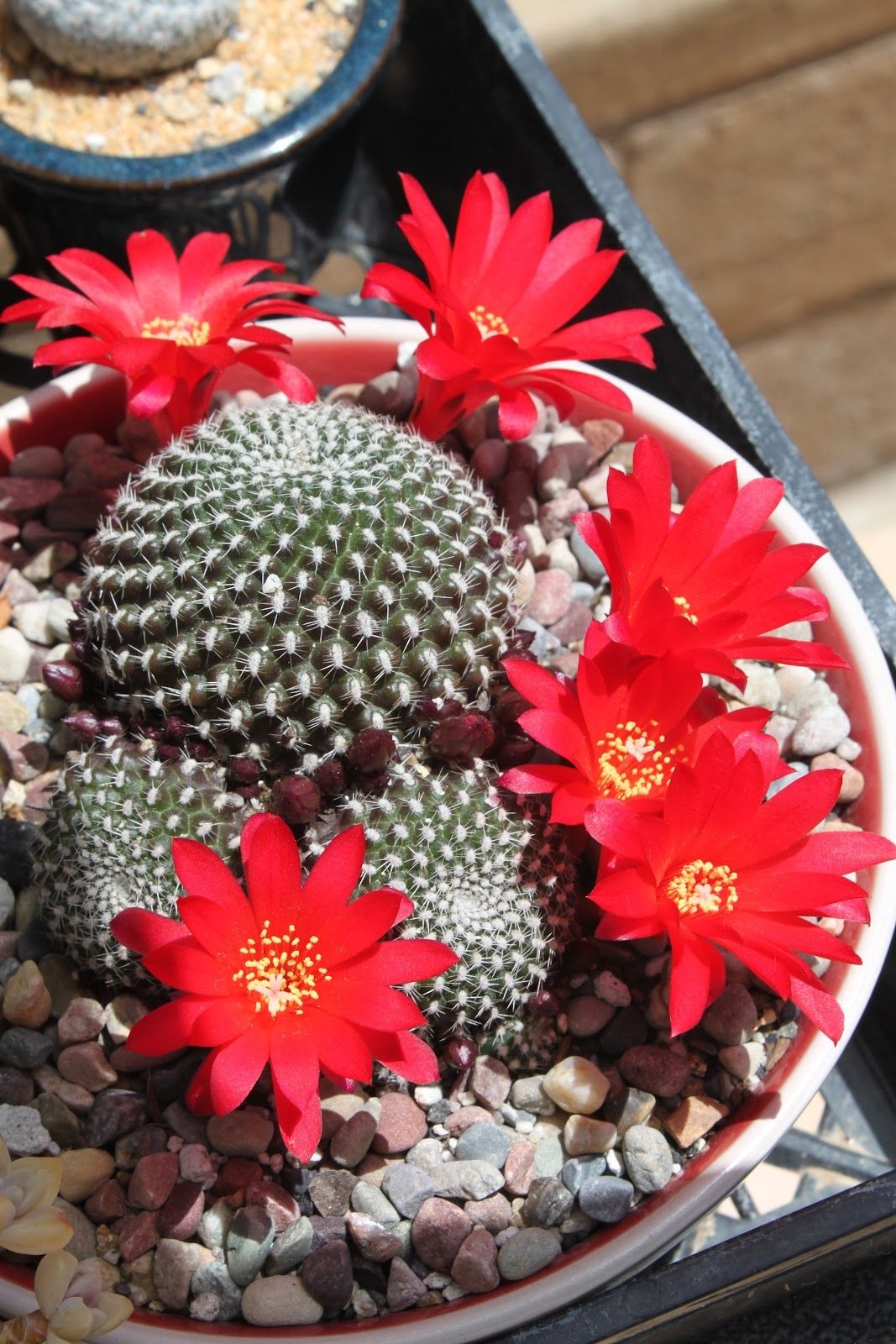
  1. Rebutia globular

Rebutia globular is an attractive succulent. This cactus is a small and cute plant. It blooms from the lower parts of its stems. You will see the flowers are bigger than the plant. Rebutia globular is a nice choice for an indoor houseplant.

Rebutia globular

Moreover, this plant is easy to care for. It grows well with minimum water. Besides, it requires frequent water during hot seasons when growing outdoors. If you want to grow Rebutia globular, you need to prepare succulent potting soil. Also, ensure this plant gets well-draining soil.

14 of 19

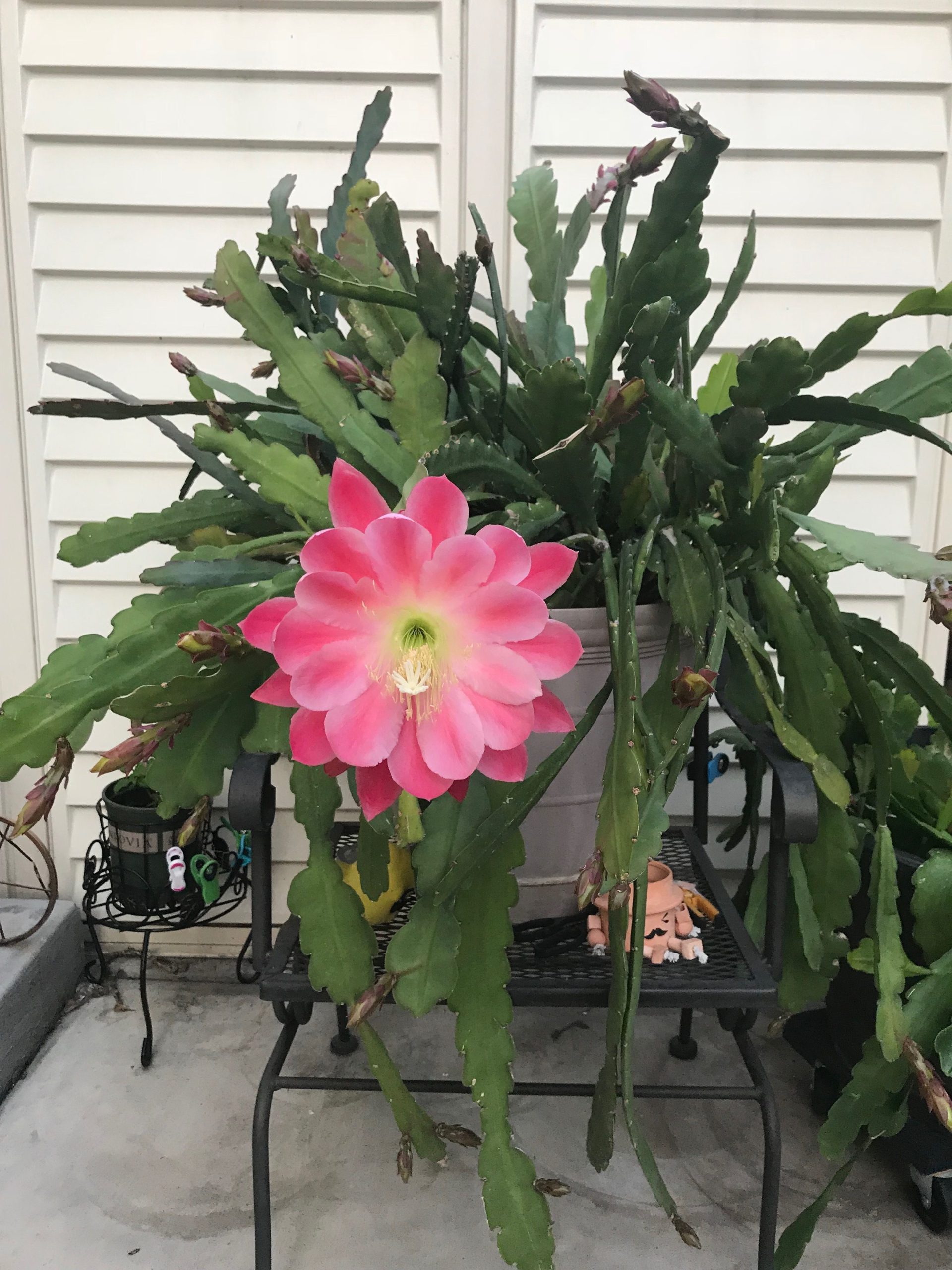
  1. Orchid Cacti

Orchid Cacti or Epiphyllum Oxypetalum is an attractive succulent. It is easy to grow in almost all soil types. This plant has colored leaves. Orchid Cactus is stunning to put in a pot. Then, you can grow it as an indoor or outdoor plant. Orchid Cacti can grow up to 10 feet tall when growing outdoors.

Orchid Cacti

Furthermore, this plant requires potting mix to get well-draining soil. Orchid Cacti is one of the best choices for a beginner gardener who wants to grow cactus. Moreover, this plant requires water when the topsoil is dry. It is better to grow Orchid Cacti under bright sunlight. You will see its beautiful flowers that bloom at night.

15 of 19

  1. Thelocactus

Thelocactus is another succulent with a globe shape. It has many spikes. This ornamental plant can bloom flowers during dry seasons. Moreover, Thelocactus is drought tolerant. It survives in dry soil with minimum water. Also, as a succulent, Thelocactus loves bright to full sunlight.

Thelocactus

You can plant this cactus in a pot. Then, put it in a sunny place. Furthermore, Thelocactus requires more water during the summer seasons. Otherwise, don’t water this plant during the winter seasons. Extreme frost or cool temperatures will damage this succulent.

16 of 19

  1. Lophophora

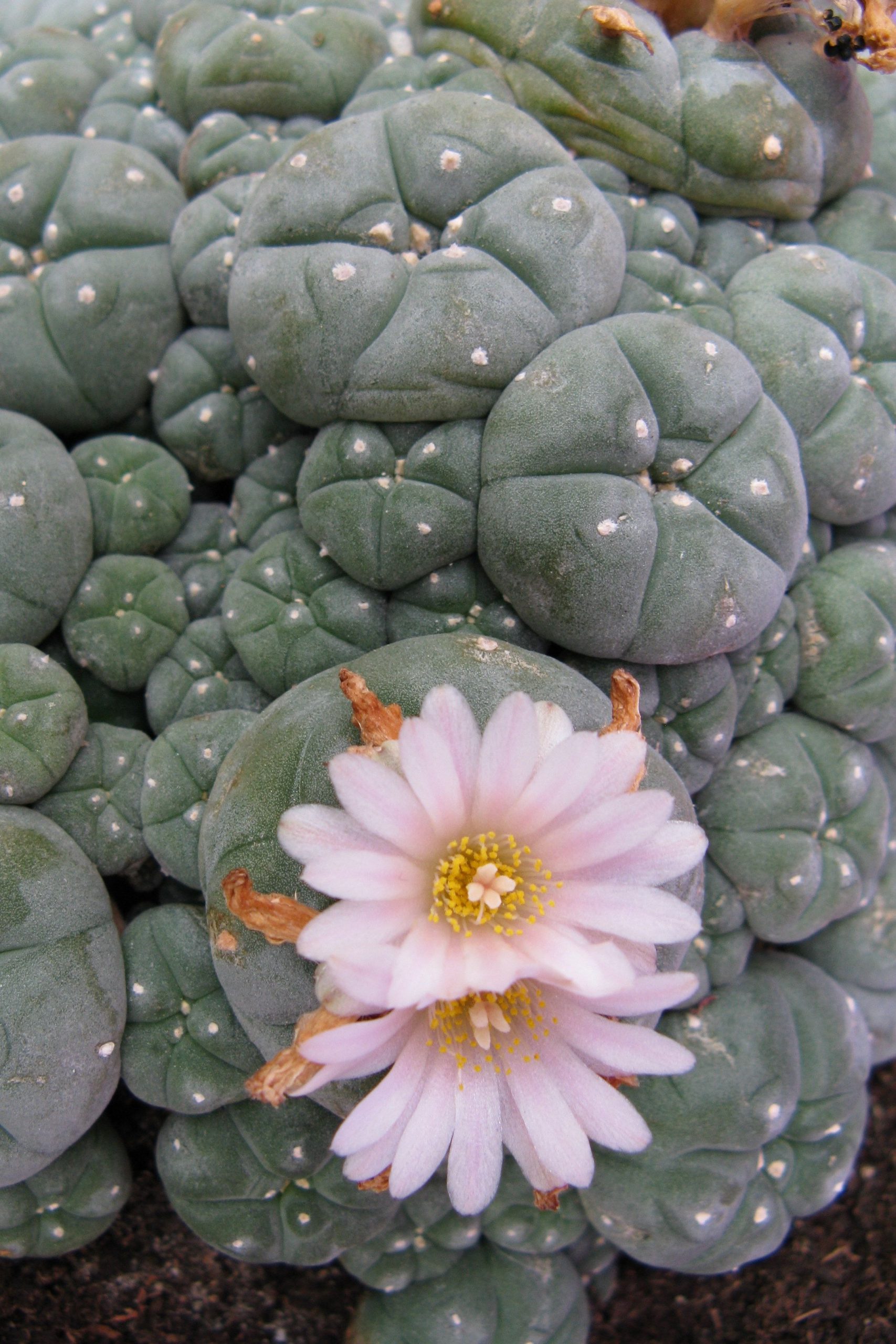
Lophophora or Peyote is a small succulent. This cactus is unique because most varieties are spineless. It is a good choice for a beginner gardener but it takes longer times to mature. Lophophora is an easy-growing plant and can propagate by cutting or seedling. It can grow up to 4 inches tall and 10 inches wide.

Lophophora

Besides, this plant loves bright to partial sun. Even though it is a sun lover but it can’t live in extremely hot seasons. Thus, it is better to grow Lophophora in a warm place. As an ornamental cactus, Lophophora can bloom beautiful flowers on the top of stems.

  1. Prickly Pear Cactus

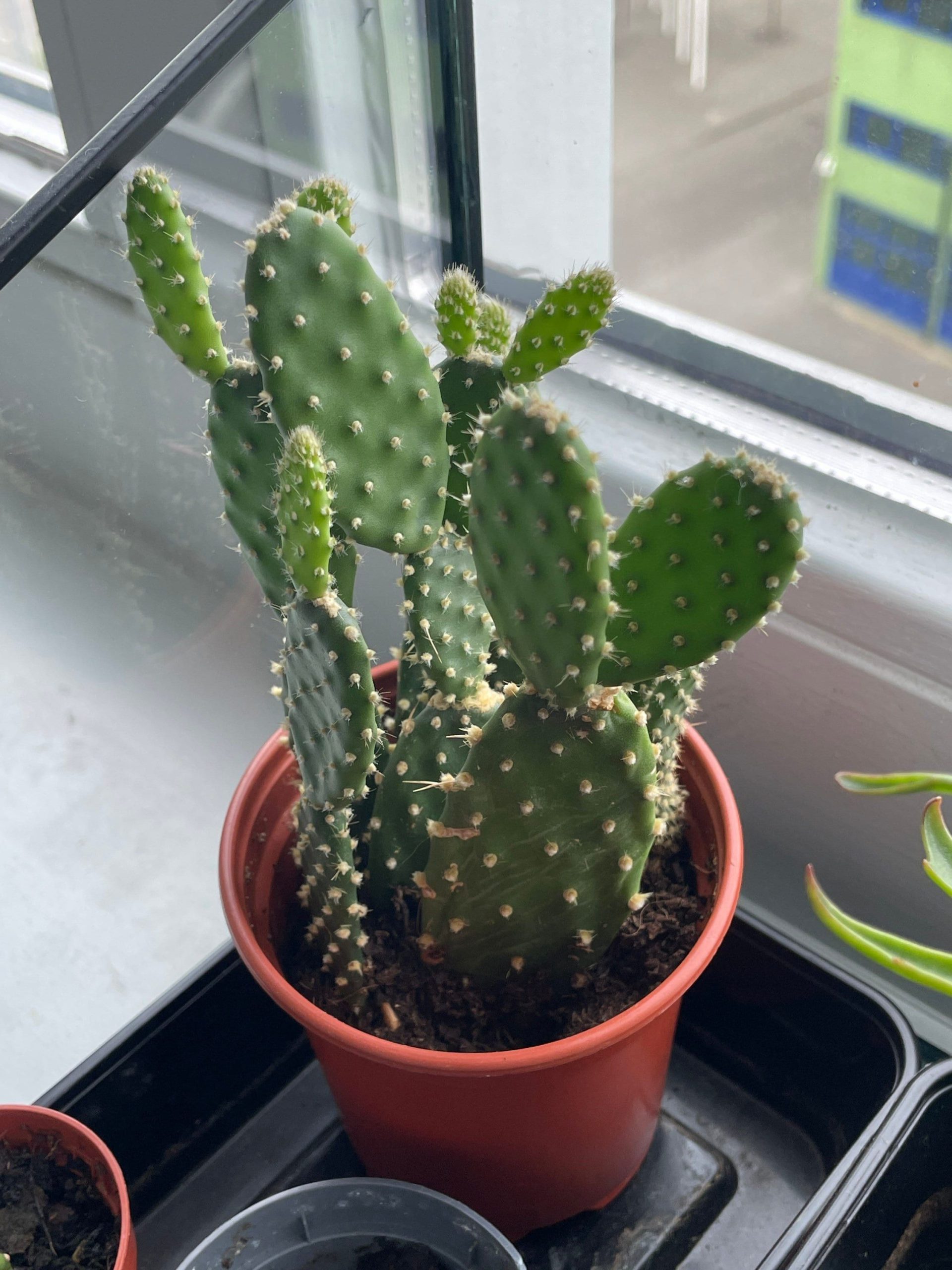
Prickly Pear Cactus or Opuntia is a popular cactus. It grows in almost all soil types. Prickly Pear Cactus is a tropical plant, so it grows better in well-draining soil with bright sunlight. If you want to grow it indoors, always put it near sunlight. A window sill or glass wall are perfect places to grow Prickly Pear Cactus.

Prickly Pear Cactus

Furthermore, this cactus is easy to grow. Beginner gardeners can grow Prickly Pear Cactus by cutting. You can put the cutting stems on the soil. Then, water it when the topsoil is dry. It will emerge tiny roots and make new growth.

18 of 19

  1. Tiger Jaws

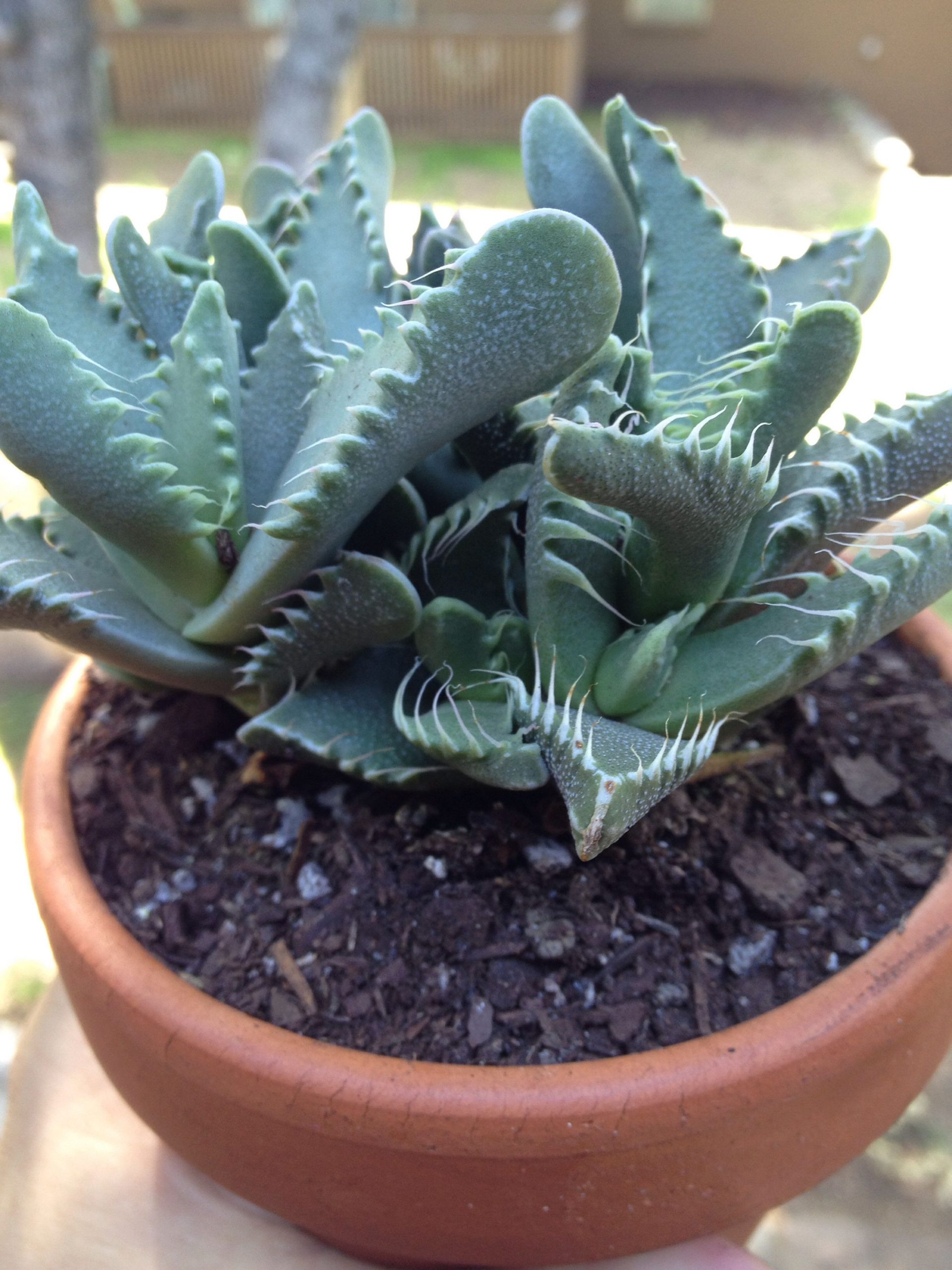
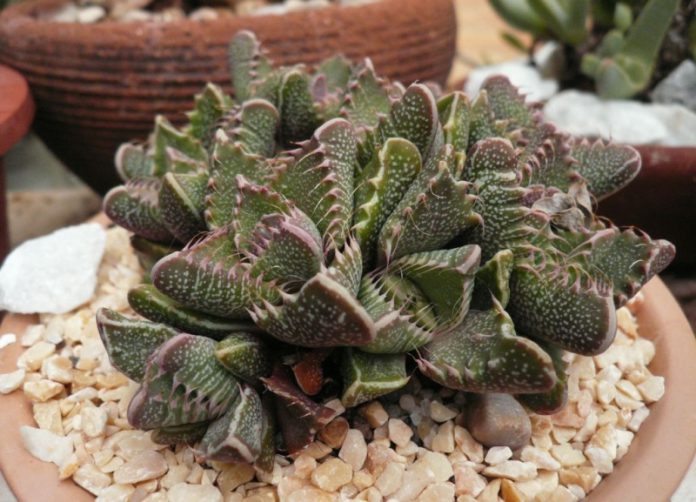
Tiger Jaws is also known as Faucaria Tigrine. It is a low-light succulent. Tiger Jaws tolerate low to poor light but you can give filtered lights to support their growth. This succulent is suitable for indoors. It requires minimum sunlight for at least four hours every day.

Tiger Jaws

Moreover, this plant requires well-draining soil. It looks stunning to grow Tiger Jaws in a pot. You can use a succulent potting mix that contains enough nutrients for new growth. Besides, this cactus will make an attractive accent. Their leaves are striking with jaw-like shapes.

19 of 19

These are 19 Cacti for Beginner Gardeners with Short Guides, Start The Succulent Garden from Now. Some of them require more water during dry seasons. Also, some species are slow growers, so they take more times to mature. The best material to grow these cacti is a potting mix. This succulent soil can provide well-draining soil. Hopefully, this post is useful for you. May these lists and the short guides will inspire you to grow cactus. Happy gardening!
Modern Kitchen Cabinets: Combining Style and Functionality

0

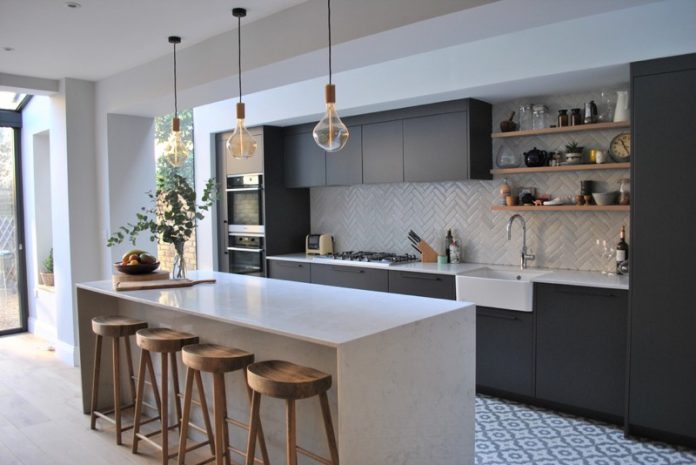
Gone are the days of bulky and outdated kitchen cabinets. In recent years, modern kitchen cabinets have gained immense popularity, revolutionizing the way kitchens are designed. These cabinets are characterized by their sleek lines, contemporary finishes, and functional features, making them a perfect choice for homeowners seeking a modern and stylish kitchen space. Whether you have a small apartment or a spacious home, modern kitchen cabinets can transform your cooking area into a visually appealing and highly efficient space.

Key Design Elements for Modern Kitchen Cabinets

Sleek and Clean Lines

One of the defining characteristics of modern kitchen cabinets is their emphasis on clean lines. Straight edges, sharp angles, and streamlined surfaces create a sense of simplicity and sophistication. This design approach helps eliminate unnecessary ornamentation, resulting in a sleek and uncluttered appearance.

Minimalist Approach

Modern kitchen cabinets embrace the concept of minimalism. They prioritize functionality and simplicity while reducing visual distractions. By incorporating minimalistic design elements, such as handleless doors, hidden storage compartments, and integrated appliances, modern cabinets achieve a clean and seamless look that complements contemporary kitchen aesthetics.

High-Quality Materials

Modern kitchen cabinets are crafted using high-quality materials that not only ensure durability but also contribute to their overall visual appeal. Popular choices include engineered wood, stainless steel, glass, and lacquered finishes. These materials offer a wide range of textures, colors, and finishes, allowing homeowners to personalize their kitchen cabinets according to their preferences.

Innovative Storage Solutions

Efficient storage is a key consideration when designing modern kitchen cabinets. With the increasing demand for smart organization, manufacturers have introduced innovative storage solutions. These include pull-out drawers, sliding shelves, corner cabinets with rotating mechanisms, and vertical storage options. These features maximize storage space and enhance accessibility, making it easier to organize and retrieve kitchen essentials.

The Benefits of Modern Kitchen Cabinets

Enhanced Aesthetics

Modern kitchen cabinets bring a fresh and contemporary look to any kitchen space. Their sleek design and clean lines create a visually appealing environment that complements various interior styles. Whether you prefer a minimalist, industrial, or Scandinavian-inspired kitchen, modern cabinets offer a wide range of design options to suit your taste.

Increased Storage Space

One of the most significant advantages of modern kitchen cabinets is their ability to optimize storage space. With their innovative storage solutions, these cabinets ensure every inch of available space is utilized efficiently. From vertical dividers for baking sheets to pull-out spice racks, modern cabinets provide ample room for all your kitchen essentials, reducing clutter and improving functionality.

Improved Organization and Accessibility

Modern kitchen cabinets promote better organization by incorporating specialized compartments and accessories. Customizable drawer dividers, cutlery trays, and adjustable shelves allow you to organize your utensils, cookware, and pantry items effectively. Additionally, the accessibility features of modern cabinets make it easier to reach items without the need to dig through cluttered cabinets.

Customization Options

Modern kitchen cabinets offer a high level of customization. From choosing the color, finish, and materials to selecting hardware and accessories, you can tailor the cabinets to match your personal style and preferences. This flexibility ensures that your kitchen reflects your unique taste and becomes a true reflection of your personality.

Durability and Longevity

Investing in modern kitchen cabinets means investing in durability. The high-quality materials and craftsmanship used in their construction ensure that these cabinets withstand the test of time. Modern cabinets are built to be sturdy, resistant to wear and tear, and capable of enduring the demands of a busy kitchen environment.

Choosing the Right Modern Kitchen Cabinets for Your Space

When selecting modern kitchen cabinets, several factors need to be considered to ensure they meet your specific requirements and blend seamlessly with your kitchen’s overall design.

Assessing Your Needs

Start by evaluating your storage needs and lifestyle. Consider the number of utensils, appliances, and ingredients you have and how you want them organized. This analysis will help determine the size, layout, and storage options that are best suited for your kitchen.

Considering Available Space

Take accurate measurements of your kitchen space to understand the available dimensions. This information will guide you in choosing cabinets that fit perfectly without compromising the flow of the kitchen. For smaller kitchens, consider space-saving solutions, such as tall cabinets or cabinets with integrated appliances.

Exploring Design Options

Browse through different design options and styles of modern kitchen cabinets. Consider factors like color, finish, and door style. Opt for designs that harmonize with your overall kitchen theme and create a cohesive look.

Evaluating Quality and Craftsmanship

Ensure that the cabinets you choose are built with high-quality materials and excellent craftsmanship. Look for reputable manufacturers or suppliers who offer warranties and have a track record of producing reliable products. Checking customer reviews and testimonials can also provide insights into the quality and performance of the cabinets.

Maintenance Tips for Modern Kitchen Cabinets

To keep your modern kitchen cabinets looking pristine and functioning optimally, follow these maintenance tips:

Regular Cleaning and Care

Clean your cabinets regularly with a mild soap or a specialized cabinet cleaner. Avoid using abrasive cleaners or scouring pads, as they can damage the finish. Wipe spills and splatters immediately to prevent stains or discoloration.

Avoiding Harsh Chemicals

Refrain from using harsh chemicals, such as bleach or ammonia, on your cabinets. These chemicals can cause discoloration or damage the surface. Stick to gentle cleaning solutions and soft microfiber cloths for regular maintenance.

Repairing Minor Issues

Address minor issues promptly to prevent them from escalating. Tighten loose handles or hinges, repair small scratches or dents, and replace damaged or worn-out accessories. Regular maintenance and timely repairs will help extend the lifespan of your modern kitchen cabinets.

Conclusion

Modern kitchen cabinets offer a perfect blend of style and functionality for contemporary kitchen spaces. With their sleek design, innovative storage solutions, and customizable options, they enhance the overall aesthetics while providing efficient organization and storage. By carefully selecting the right modern kitchen cabinets and maintaining them properly, you can create a kitchen that not only meets your needs but also becomes the heart of your home.

FAQs

1. Are modern kitchen cabinets more expensive than traditional ones?

Modern kitchen cabinets can vary in price depending on the materials, finishes, and customization options chosen. While they may have a higher upfront cost compared to traditional cabinets, their durability and long-term value make them a worthwhile investment.

2. Can I install modern kitchen cabinets myself, or do I need professional help?

Installing kitchen cabinets can be a complex task, especially if you have limited experience. It’s recommended to seek professional help to ensure proper installation, which ensures the cabinets are secure and aligned correctly.

3. What are some popular color choices for modern kitchen cabinets?

Popular color choices for modern kitchen cabinets include white, gray, black, and natural wood tones. These colors offer versatility and can be paired with various countertop and backsplash options to create a cohesive look.

4. Are modern kitchen cabinets suitable for small kitchens?

Yes, modern kitchen cabinets can be designed to maximize space in small kitchens. Utilizing vertical storage, pull-out features, and clever organizational solutions can help optimize storage while maintaining a sleek and uncluttered appearance.

5. How can I ensure the durability of my modern kitchen cabinets?

To ensure the durability of your modern kitchen cabinets, choose cabinets made from high-quality materials, follow proper maintenance guidelines, and address any minor issues promptly. Regular cleaning, avoiding harsh chemicals, and performing routine checks will help preserve their longevity.

How to Spot an Air Conditioner Problem Before It Becomes a Major Repair Issue

0

As temperatures rise, the need for air conditioning becomes more and more apparent. But what happens when your air conditioner starts acting up? Before you start calling for an air conditioner repair in Philadelphia, there are some things that you can do to try and fix the problem yourself. Here are a few tips on how to spot an air conditioner problem before it becomes a major repair issue:

Listen for Unusual Noises

One of the most common signs of an air conditioner problem is strange noises from your unit. If you hear any loud banging, clanging, or humming noise that seems out of the ordinary, it could be a sign that something isn’t working correctly, and you should have a professional check it out.

Check Your Unit for Leaks

If your unit is leaking, it could be a sign that something isn’t working correctly, and you should have a professional check it out. Be sure to look for puddles of water near your air conditioner or on the walls around it, as this can indicate a problem with a seal or a gasket.

Check to See If Your Unit Is Blowing Hot Air

If your unit is blowing out hot air, there’s something wrong with the compressor, or the Freon levels are too low. Either way, you should have a professional look at it as soon as possible before the problem escalates into something more serious.

Check Your Air Filter

Another common issue that can cause your air conditioner to malfunction is a dirty air filter. When the filter gets clogged with dust and debris, it restricts the airflow and prevents the unit from working efficiently. Be sure to check your air filter regularly and replace it when needed.

Look for Ice on Your Unit

If you notice ice forming on your air conditioner’s coils, it could be a sign that the unit isn’t working properly. This is usually caused by low levels of Freon, so you should have a professional inspect your unit and refill it if necessary.

Schedule Regular Maintenance

The best way to stay on top of potential air conditioner problems is to schedule regular AC maintenance. A professional HVAC technician can inspect your unit for any issues and make sure it’s working properly before something serious happens.

These tips can help you identify and solve minor issues before they become more serious problems. If your air conditioner still has issues after trying these steps, don’t hesitate to contact an HVAC technician for further assistance. Call the pros today!

18 Compost Ingredients from Brown and Green Materials to Make An Organic Fertilizer

0

Homesfornh.com – Fertilizer is a beneficial material to feed your plants. It can stimulate the plants’ growth. Some gardeners like to make compost fertilizer by compiling organic materials. They classify the ingredients based on the material. There are green, brown, water, and air materials. Most of them use brown and green materials. Here, are 18 Compost Ingredients from Brown and Green Materials to Make An Organic Fertilizer.

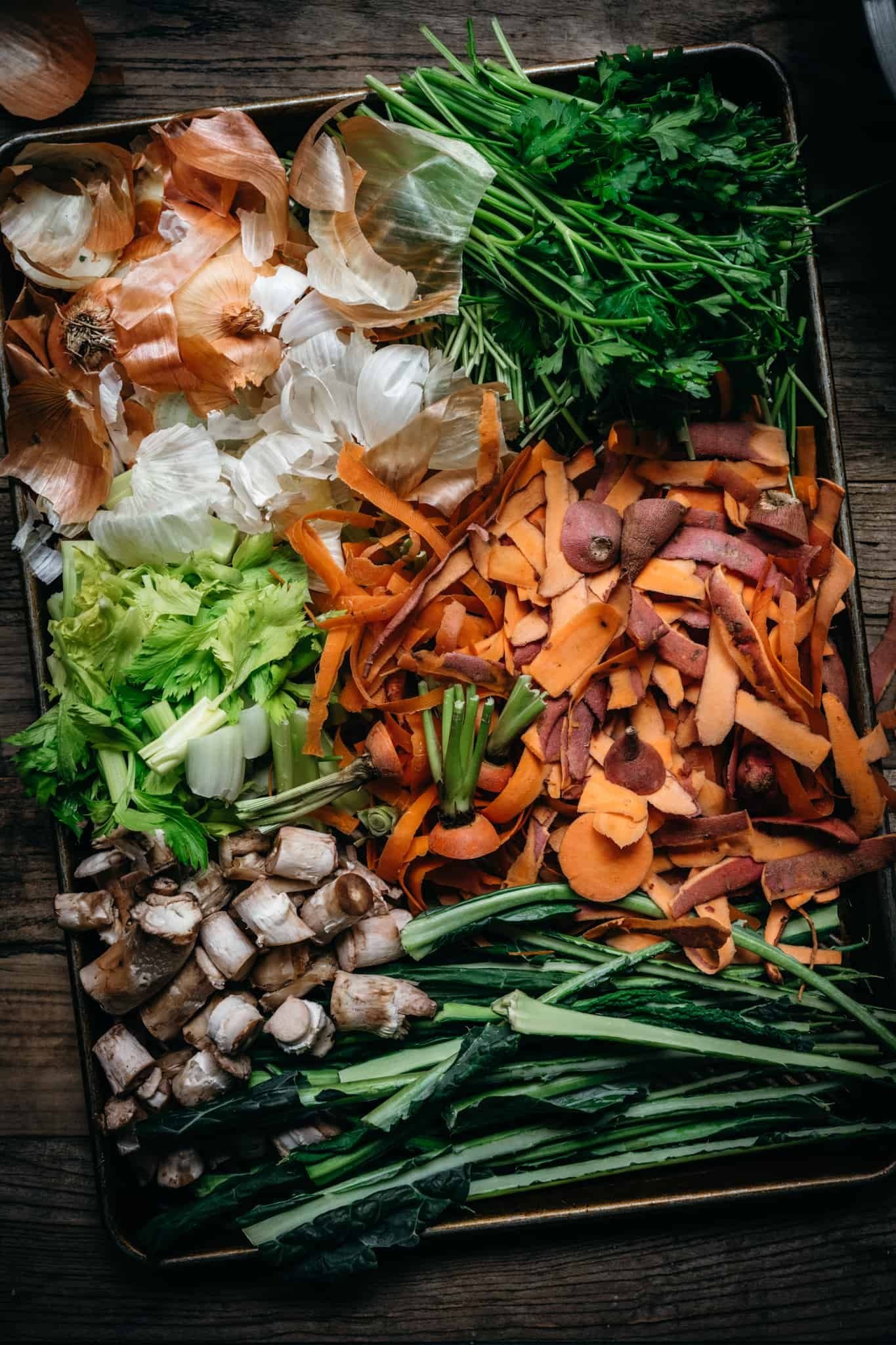
  1. Fruit and vegetable scrap

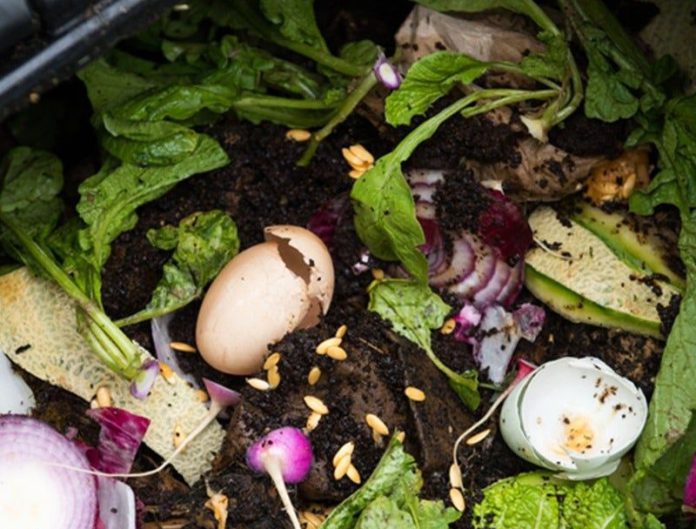
Green compost material will enrich nitrogen in the soil. Most of the green materials are fruit and vegetable scraps. Thus, don’t throw the kitchen scraps into a waste bin. You can compile them in your compost container. These green materials will rot naturally for a few weeks.

Fruit and vegetable scrap

Also, you need to stir green materials in this bin to add oxygen to your compost layer. The fresh green materials are better to put in the middle part. You need to push them inside the compost bin. Besides, always scraps the green materials to help decomposition faster.

1 of 18

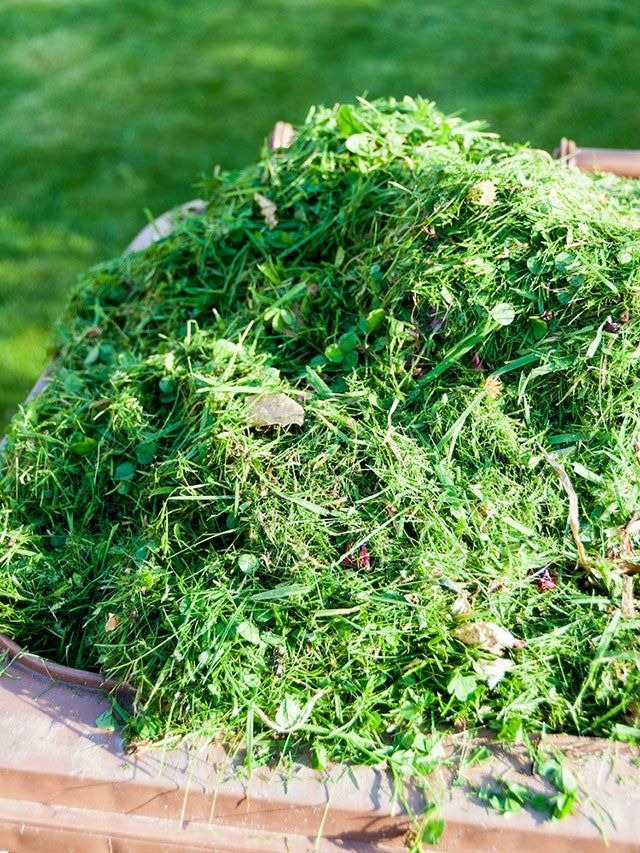
  1. Grass clippings

Fresh garden lawns can bring an aesthetic landscape. It is one of the best exteriors for most houses. The garden lawn will grow taller or dense. It needs regular pruning to control its growth. The grass clipping is beneficial for your compost bin.

Grass clippings

You can add grass clippings into a green compost bin. It will add nitrogen among other green materials. The green clippings need more times to decompose. Some types of grass will rot within weeks or even more than a month. Thus, keep stirring the compost bin every 2 to 3 weeks.

2 of 18

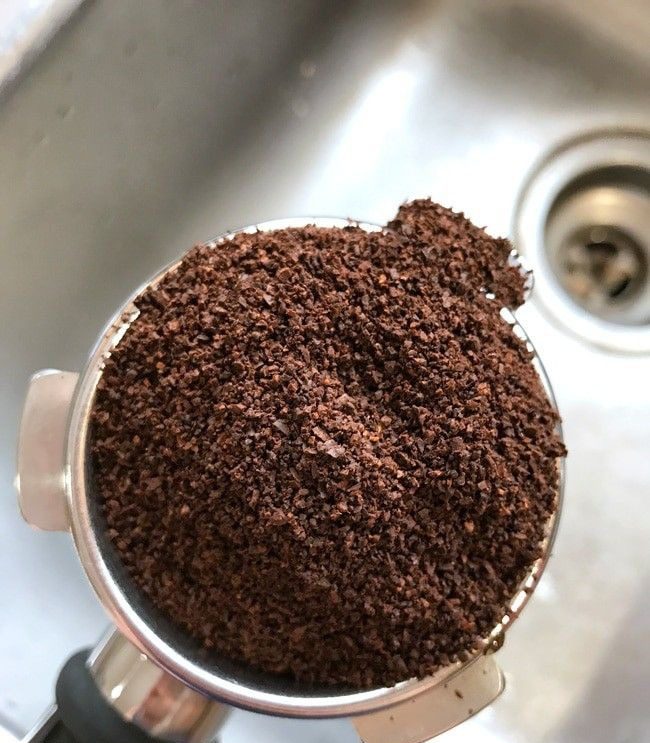
  1. Coffee grounds

Do you like to drink a cup of coffee? If you do, take the coffee ground into your compost bin. Coffee ground is a popular material for compost. It is also useful to mulch your plants. You can put coffee grounds directly on the soil or mix it with other materials.

Coffee grounds

The coffee ground also has a nice smell. It can absorb the odor. Besides that, the coffee ground is beneficial to add brown materials to your compost bin. This material will blend well. The sandy texture is easy to mix with any material.

3 of 18

  1. Chicken Manure

Having chickens will give some benefits for you. You can use the chicken manure as brown material for compost. This material contains beneficial nutrients for plants’ growth. Chicken manure is smelly but you can compile them in a compost bin. Then, let them there and decompose.

Chicken Manure

Chicken manure will have a loose texture. As it turns into compost, you can add new chicken manure in the corner. Chicken manure needs 4-6 weeks to decompose in the first phase. It will be ready to use in the third month. Besides that, it is okay to use chicken manure after the first week of decomposition.

4 of 18

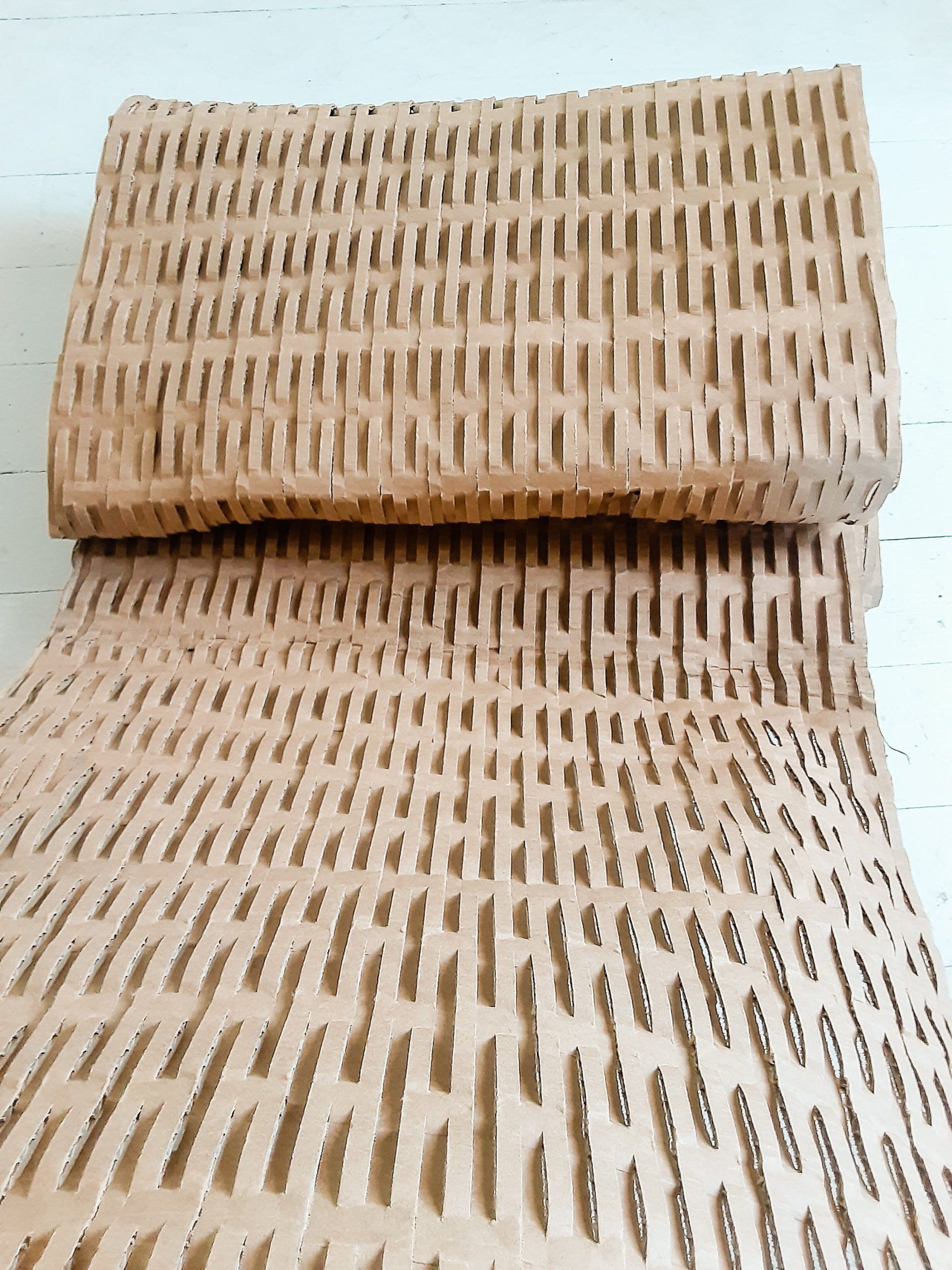
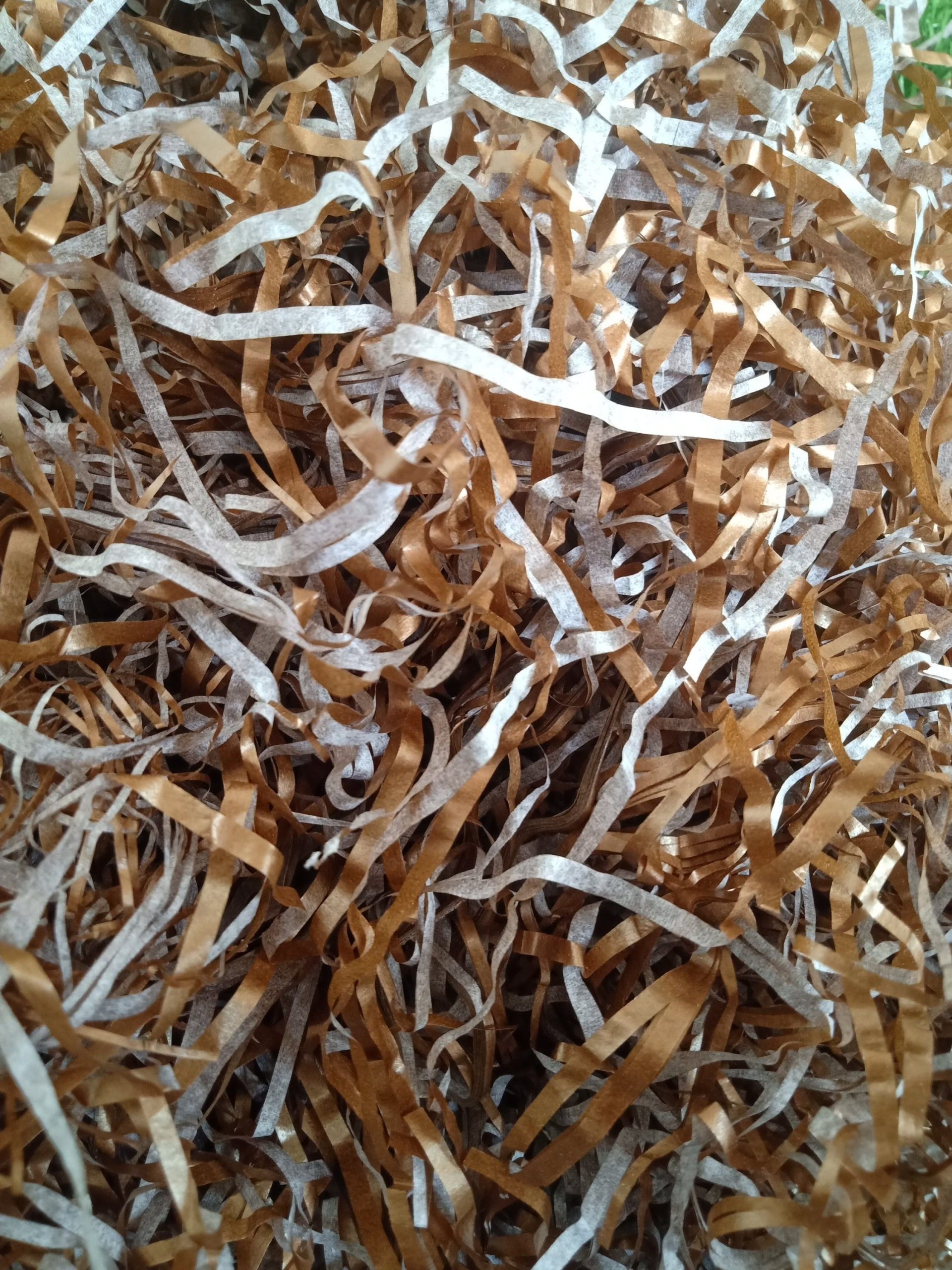
  1. Shredded cardboard

Cardboard is one of the brown compost materials. It adds high carbon to your plants. Thus, make use of your broken cardboard. Then, tear them into shredded cardboard. The smaller pieces are best for compost.

Shredded cardboard

After that, put the shredded cardboard into your brown compost bin. Then, stir it and mix the shredded cardboard with other materials. You can mist the compost bin to add humidity. Next, let the compost materials in that bin and cover it with a seal.

5 of 18

  1. Shredded Paper

It is similar to the previous material. Shredded paper is a brown compost material. It will enrich carbon in this organic fertilizer. You need to cut them off into pieces. Then, mix the shredded papers in your compost bin.

Shredded Paper

Some gardeners mix this material directly in garden soil. Here, the shredded paper is a part of a compost bin. It needs some weeks to decompose well. Misting the compost pile every week, then stirring them. It will help the shredded paper to mix well.

6 of 18

  1. Sawdust

Sawdust is the scraps of wood. You can find this material in a carpentry shop. The sawdust consists of two materials, wood dust, and scraps. As a brown material, sawdust will add carbon to your compost bin. The wood dust will mix well.

Sawdust

Besides, the wood scraps are beneficial to add texture. Some types of wood are easy to decompose. Also, other woods need more times to decompose. This material requires constant humidity to fasten the decomposition. You can add this material to your compost bin with wood materials.

7 of 18

  1. Autumn leaves

The fall season or autumn is identical to falling leaves. Many trees fall off their leaves to the ground. The autumn leaves are useful to complete your compost materials. The dried autumn leaves fit into a brown compost bin, and the green leaves are green compost.

Autumn leaves

Moreover, it is better to chop the autumn leaves before mixing the compost materials. You can use the shredded machine to make scraps of leaves. The scrap is easier to decompose. Also, keep the compost bin in a seal. It needs a regular stir every week and a splash of water.

8 of 18

  1. Lobster shells

A lobster shell is a beneficial kitchen scrap. If you like to cook Lobster, you can keep the shells for your compost materials. It is part of green materials. Lobster shells can add nitrogen to your plant. This component is necessary for the composting process.

Lobster shells

You need to crush them up into pieces. Make it like an eggshell. This material is beneficial to mix eggshells and nutshells. It needs a few months to make nice soil. Sometimes, it is better to make them like a duststone texture.

9 of 18

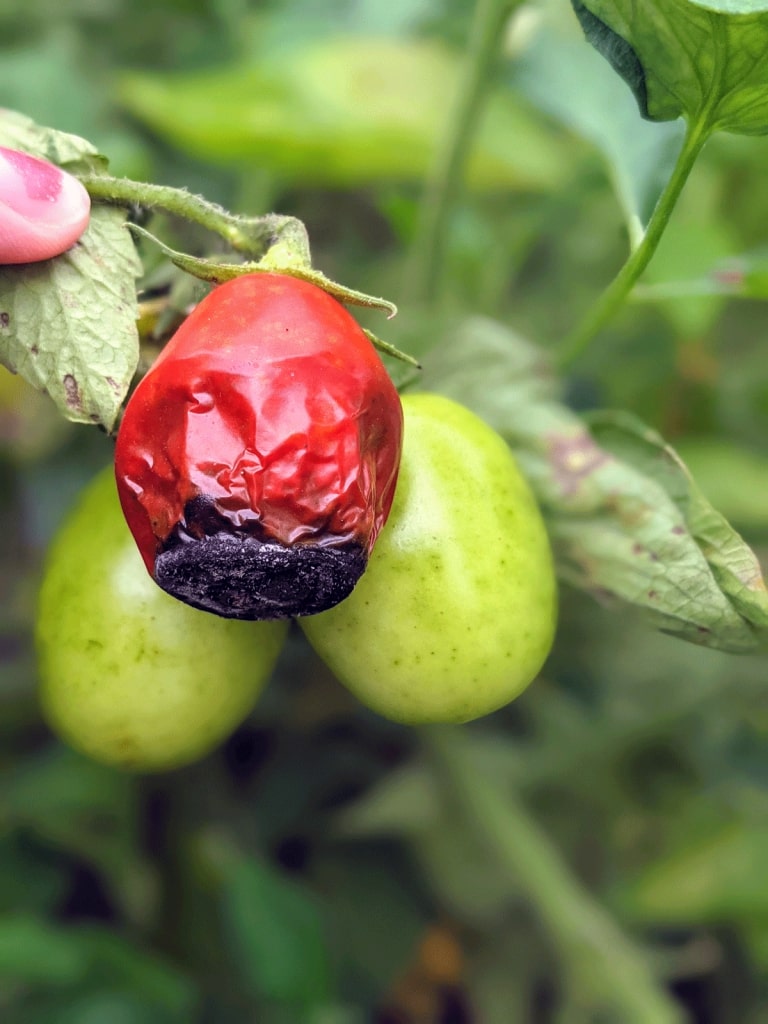
  1. Rotten tomato

Tomato is one of the fresh fruits. It has a juicy taste and glossy skin. People like to store tomatoes in their homes. Sometimes, tomatoes become rot if they are put in the wrong place. You can take them out, then make a good material for green compost.

Rotten tomato

Rotten tomato contains rich nitrogen. It adds a water element to your green compost. Besides that, some gardeners find rotten tomatoes in their gardens. Before using this fruit as compost, they need to cut off the broken part. Some tomatoes become rot because of pests, so they need to remove that part.

10 of 18

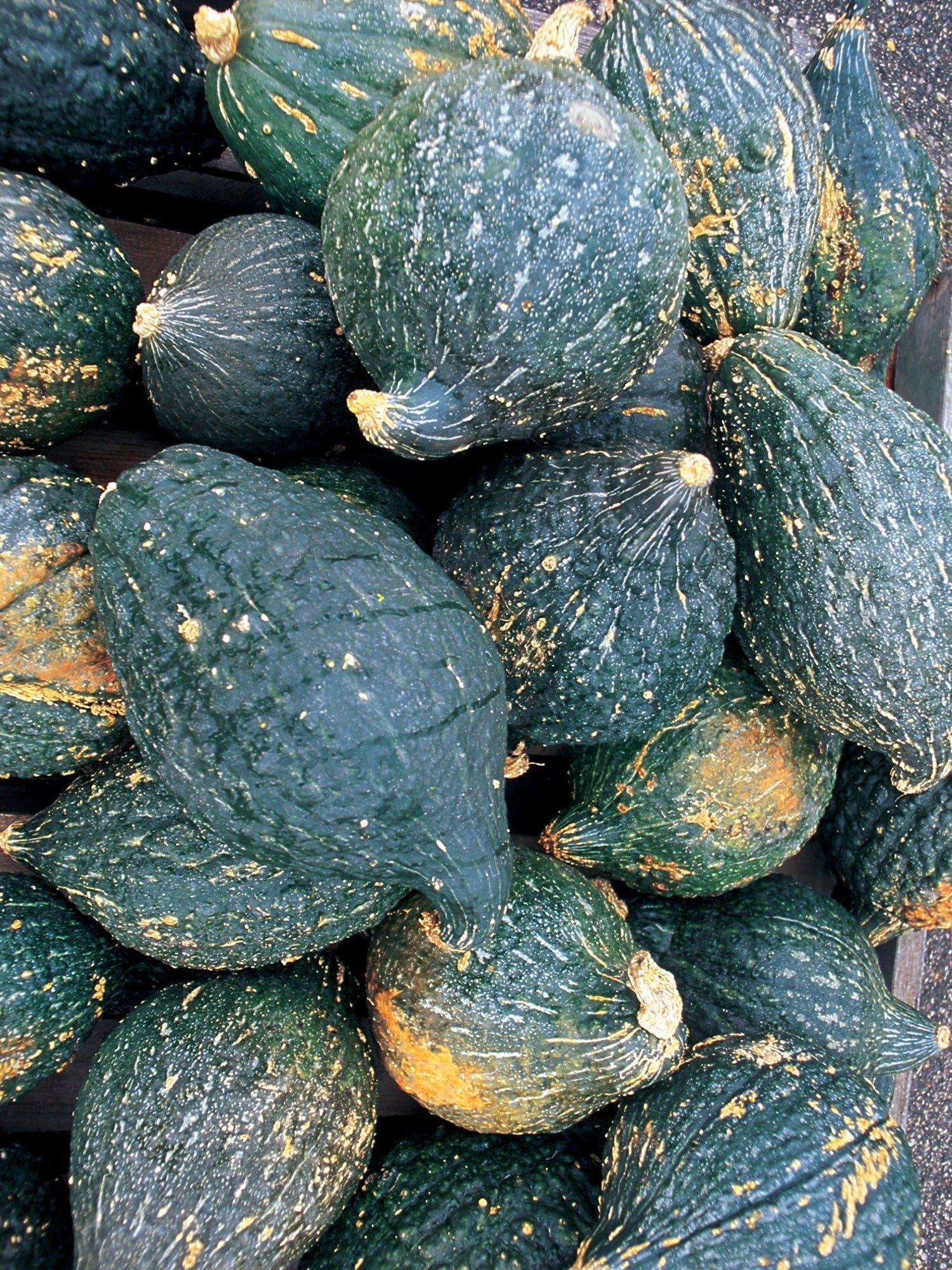
  1. Squash skins

Squash skin will add nitrogen to your green compost. This fruit is beneficial to make delicious juice. The Squash skins are also useful for garden plants. You can put Squash skins in your compost bin. This watery material will decompose within weeks.

Squash skins

Also, the thin Squash skins will compost down quicker than the thick skins. Sometimes, you need to cut them into small pieces to fasten decomposition. Then, make sure to stir the compost bin every week. It will aerate the compost materials.

11 of 18

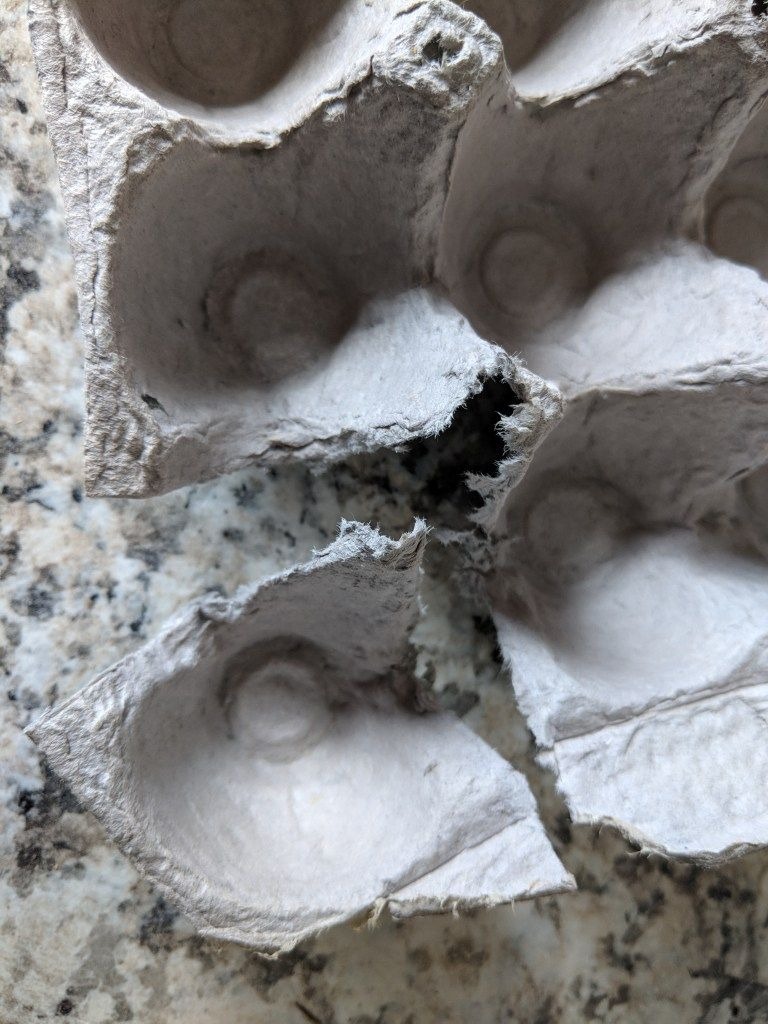
  1. Egg cartons

An egg carton is a container for eggs. It has curvy holes and makes a simple tray. This egg container is useful for brown compost. Despite this, the recycled egg carton is the only one to use. Don’t use egg cartons from synthetic materials.

Egg cartons

Besides, you can use egg cartons from cardboard as well. This paper material is easy to decompose. Before using this egg carton, you need to tear them into pieces. Use a shredded paper machine to make a better result. Then, add the shredded egg cartons to your compost bin.

12 of 18

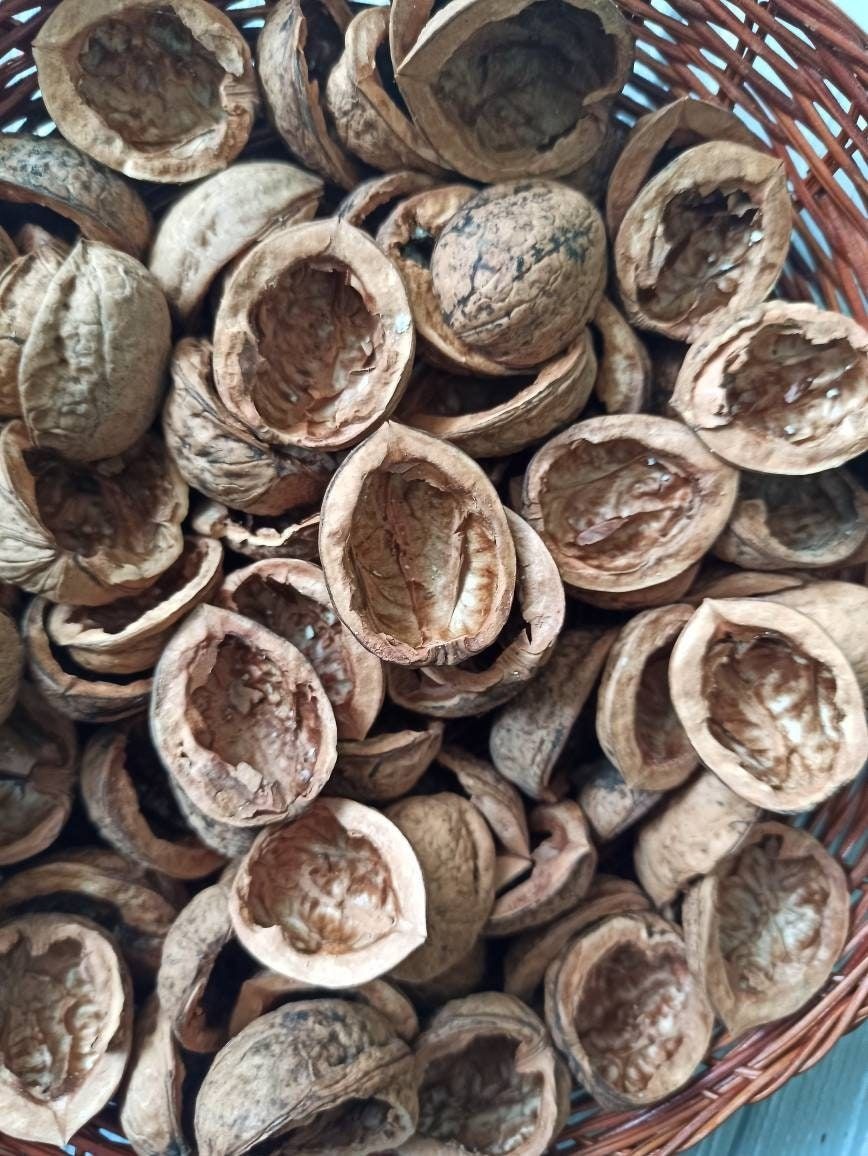
  1. Nutshells

Nutshell is another brown material. Many types of nuts that you can use. There are walnut, hickory, pistachio, etc. If you consume these nuts, compile the shells in a container. Then, add nutshells to your brown compost bin.

Nutshells

This brown material is easy to use. You can mix them directly into the bin. Also, it is easier to decompose them by shredding or burning the nutshells. Add this material and stir the compost bin. Make sure to put them inside the compost layer.

13 of 18

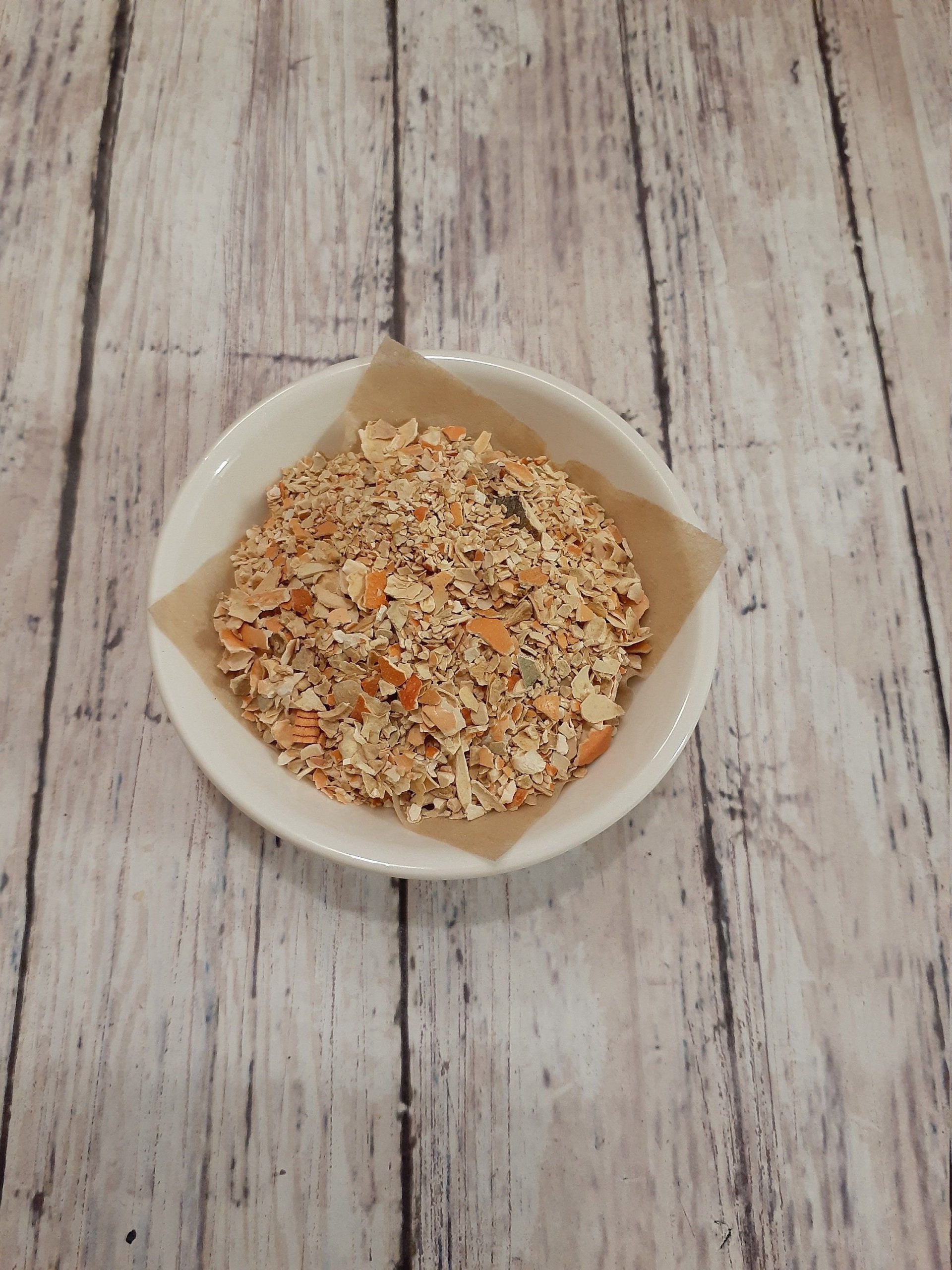
  1. Eggshells

Egg shells have a hard texture. This material is like Lobster shells. You need to crush them up before mixing them into a compost bin. The better texture is the smallest piece. Egg shells are brown material because it contains carbon.

Eggshells

Besides that, you can use eggshells as a garden mulch. It can cover the topsoil well. Also, this brown compost will stimulate the plants’ growth. Add water to refresh the temperature in your compost bin. Then, aerate your compost bin.

14 of 18

  1. Stale cereal

Stale cereal is an improper food. You shouldn’t consume this cereal. It is better to use stale cereal as compost. Stale cereal is a brown compost. This material contains high nutrition for plants.

Stale cereal

As a part of organic fertilizer, stale cereal is easy to decompose. You can add this material to your compost bin. Mix this material well. Then, splash water on top of the compost. You can cover it to fasten decomposition.

15 of 18

  1. Teabag

A tea bag is a waste, but you can use it as compost. For your notes, make sure that the tea bag is made of organic materials. The shredded tea bags will decompose quicker. Also, add the tea grounds as well. Tea is a green material and can absorb odor.

Teabag

Moreover, this material is easy to find. It is also low-cost material. You can make a cup of tea, then compile the tea bags in a container. Also, some gardeners use tea bags and tea grounds as mulch. This material makes a beautiful mulch and protects topsoil.

16 of 18

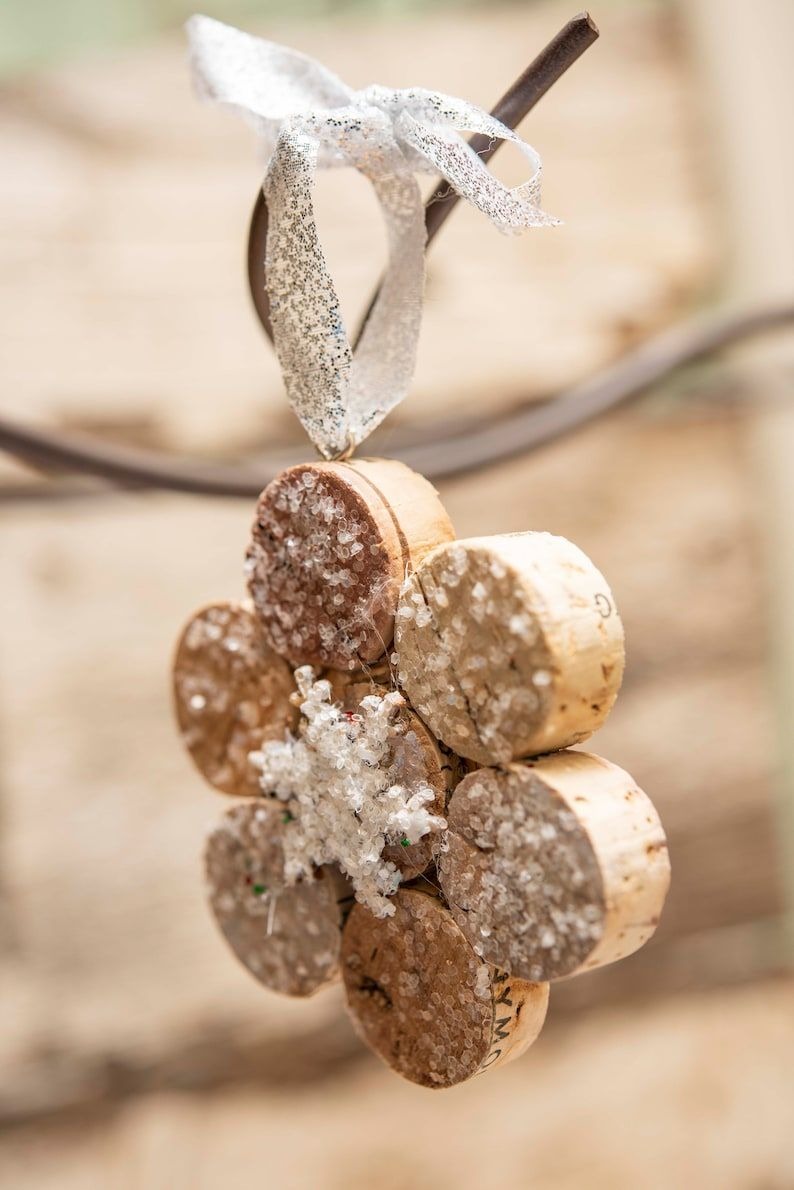
  1. Wine corks

Wine corks are made of various materials. For compost material, you need wooden wine corks. Sometimes, people use it as an attractive craft or ornament. Besides that, wine corks make a nice material for compost. It is one of the organic materials to add nitrogen.

Wine corks

Some wine corks are hard to decompose. The hardwoods will take a long time to disappear in your compost pile. Thus, you can put them in a moist spot. Also, it needs constant humidity to decompose slowly from the inside. You can also use a wooden shredder machine.

17 of 18

  1. Popcorn kernels

A popcorn kernel is a part of corn. This material is brown compost. Popcorn kernels will decompose faster in moist conditions. So, you need to water it every 2 weeks. Also, aerate the compost bin regularly.

Popcorn kernels

Moreover, it is okay to use cooked or uncooked Popcorn kernels. The best texture depends on how long you want to decompose them. It is biodegradable, carbon-neutral, and edible. So, popcorn kernels will keep decomposing in garden use.

18 of 18

These are 18 Compost Ingredients from Brown and Green Materials to Make An Organic Fertilizer. You can almost find all materials at home. It is necessary to use organic materials as compost. As an organic fertilizer, compost will make a healthy plant. Hopefully, this post will inspire you to make good compost. Good luck and enjoy your green thumb routine!

Mastering the Art of Block Property Management: 6 Critical Skills

0

Picture this! You reside in an apartment block where the lights often flicker in the corridors. The paint is often peeling away at the entranceway, and your worst fear, getting stuck in the lift due to maintenance issues! This sounds nothing less than a disaster, right?

What if there was an easy and hassle-free solution to this problem? If you do not have the time or expertise to manage your block, then you can simply hire a block property manager!

Not only do they offer security across your residential block but they also help in the property maintenance of communal areas such as lifts, car parks and entrances. Aside from ensuring the happiness of leaseholders, a well-maintained block also helps attract potential residents.

Wondering what exactly does a block manager do? In this article, we’ll explore the critical skills needed to be a successful block property manager.

Essential Skills for A Block Property Manager 

1. Exemplary Customer Service

There is no doubt that being a block property manager means working in a customer-facing role. This makes it imperative for all block managers to have brilliant interpersonal skills to ace this job.

Typically, customer servicing involves being present and being able to handle customer queries while solving problems effectively. In fact, several block managers have mentioned that handling tenant complaints is one of the most challenging parts of their job.

Hence, possessing strong customer service skills would simplify this task for you. In addition to this, you need to make yourself available to residents, property owners and landlords at all times. It is absolutely essential to resolve issues and answer questions immediately by undertaking necessary steps and keeping customers well informed.

2. Knowledge 

A block manager’s role is extremely diverse, encompassing a wide range of responsibilities that require in-depth knowledge and an extensive skill set to ensure success. From being aware of leases to legislation changes, all this information is vital to succeed in this role.

Furthermore, adherence to standards and a code of practice separates a skilled block manager from the rest. A proven track record and an impressive array of property portfolios managed by you serve as tangible indicators of your knowledge and experience in overseeing all aspects of property management.

For example, by scheduling and coordinating essential building maintenance procedures like air testing in Essex, you can ensure a safe and healthy living environment for residents. This, in turn, would improve your credibility as a property manager.

3. Building Strong Relationships 

Working as a block manager means interacting with several different people. This raises the need to develop strong interpersonal skills that can lay the foundation for successful relationships.

It is imperative for a good block manager to place people over their duties and responsibilities. In addition to this, building and maintaining strong ties with your clients, suppliers and contracts can simplify the task.

4. Organisational Skills 

From resolving resident queries to completing administrative tasks, your role as a block manager involves multitasking at various levels. You may be expected to organise contractors or manage repair requests from different tenants. Juggling all these tasks simultaneously calls for possessing brilliant organisational skills.

With excellent organisational skills, you can ease the task of implementing procedures and streamlining workloads to a great extent. Moreover, this can reduce the pressure and stress you might feel when burdened with multitasking.

5. Technologically Sound 

Although being technologically sound isn’t considered an absolutely necessary skill for a block manager, in the era of digital transformation, it does earn you brownie points.

Much like any other industry, property management is quickly adopting digital practices and actively depending on technology for effective operations. Right from administrative tasks to the usage of communal activities such as car parking, lighting and lifts, block management relies heavily on technology.

Thus, sound learning of new technologies builds a strong portfolio for block managers and brings convenience to their customers too.

6. Legislative Knowledge

More often than not, the first point of contact for residents and property owners is block managers. This makes the know-how of legislation a basic skill for all block managers to master.

Hold Up! You do not need to be a professional when it comes to legislative knowledge. However, a basic level of knowledge in terms of housing, health and safety does go a long way.

Moreover, the legislation is constantly undergoing amends. This makes it essential for block property managers to stay updated on the latest developments on this front.

Another critical aspect to learn along the way is research skills. In case you aren’t aware of certain answers or changes in legislation, an easier route would be simple research with regard to this. Doing your homework reflects positively on your professionalism and curiosity to learn.

To Sum It Up

The need for an experienced and knowledgeable block manager is rising with the increase in residential blocks and apartments. Residents are actively looking for skilled managers who can help manage administrative tasks, maintain communal areas and promptly address resident queries.

To ace your role as a block manager, it is important to have these skills. In addition to this, being patient and flexible goes a long way in addressing the needs of your customers.

Crafty Homemaking: Crochet And Knitting For Personalized Home Décor

0

Crafting with crochet and knitting is not limited to wearable items and accessories but also home decor. By incorporating these timeless crafts into your homemaking, you can add a personal touch to every corner of your living space.

In this article, we will explore a variety of crochet and knitting projects that can enhance your home decor, from cozy blankets and pillows to decorative accents and functional items. Let’s dive into the world of crafty homemaking and discover how crochet and knitting can transform your living space.

Creating Cozy Comfort

A. Granny Square Blanket:

Craft a classic granny square blanket using colorful yarns to infuse your living room or bedroom with warmth and charm. The versatility of granny squares allows you to create various patterns and arrangements, resulting in a unique and personalized blanket that becomes a focal point of your space. You can make a full-sized blanket or create smaller ones like lap or baby blankets.

B. Knitted Cable Throw:

Knit a cozy cable throw to drape over your couch or armchair. The intricate cable stitch pattern adds texture and visual interest to your living space while providing extra comfort. Choose a soft and warm yarn to create a luxurious and inviting throw. You can experiment with different cable patterns to create a design that complements your home decor.

II. Pillows And Cushions

A. Crocheted Pillow Covers:

Transform plain throw pillows into eye-catching pieces by crocheting unique covers. Experiment with different stitch patterns and color combinations to match your home decor.

Crocheted pillow covers allow you to easily update and personalize your space while providing extra comfort and style. Depending on your preference, you can create covers in various shapes and sizes, such as square, round, or even heart-shaped.

B. Knitted Intarsia Cushions:

Get creative with intarsia knitting to create stunning and intricate designs on your cushion covers. This technique allows you to incorporate detailed images, patterns, or motifs into your cushions, adding a touch of artistry and personalization to your home.

Choose colors that complement your decor and enjoy the process of creating unique and eye-catching cushion covers.

III. Wall Hangings

A. Crocheted Wall Hangings:

Create stunning crocheted wall hangings using various stitches and patterns. From intricate mandalas to modern geometric designs, crocheted wall hangings add texture and visual interest to any room. Play with different yarn weights and colors to achieve the desired effect. You can hang them above a sofa or bed or as a centerpiece in a gallery wall arrangement.

B. Knitted Tapestry:

Knit a beautiful tapestry to adorn your walls. Experiment with colorwork and different knitting techniques to create captivating designs. Whether you opt for a landscape, abstract art, or a specific pattern, a knitted tapestry adds a unique and artistic touch to your home decor. Hang it in your living room, study, or hallway to create a focal point that reflects your creativity and style.

IV. Functional and Stylish: Home Accessories

A. Crocheted Coasters:

Protect your surfaces with handmade crocheted coasters. Choose a durable yarn that is easy to clean and experiment with different stitch patterns to create coasters that match your style.

Crocheted coasters serve a practical purpose and add a decorative element to your coffee table or dining area. You can make a set of coordinating coasters or match different colors, patterns, and stitching, such as picot stitch, single crochet stitching, and many others.

B. Knitted Dishcloths:

Add a touch of luxury to your kitchen with knitted dishcloths. Use soft and absorbent yarn to create functional and stylish dishcloths that are practical and aesthetically pleasing.

Experiment with different stitch patterns and colors to add a personal touch to your kitchen decor. Knitted dishcloths not only make your daily chores more enjoyable but also elevate the overall look of your kitchen.

V. Personalized Accents

A. Crocheted Plant Hangers:

Bring nature indoors with crocheted plant hangers. Craft unique and intricate designs to showcase your favorite houseplants. Experiment with different yarns and colors to match your home’s color palette while adding a touch of greenery and personalization.

To create a cozy and inviting atmosphere, hang these plant hangers near windows, in empty corners, or even in your outdoor space.

B. Knitted Poufs:

Create knitted poufs that serve as both seating and decorative accents. Choose a sturdy yarn and fill them with cushioning material to ensure durability and comfort. Knitted poufs add a cozy and inviting element to your living space while providing additional seating options. Please place them in your living room, bedroom, or reading nook to create a cozy, relaxing spot to unwind.

VI. Home Organization: Crochet and Knit Storage Solutions

A. Crocheted Baskets:

Add a touch of handmade charm to your storage solutions with crocheted baskets. These versatile containers can hold magazines, toys, towels, or other items that need to be organized. Choose different sizes and colors to create a cohesive and functional storage system throughout your home.

B. Knitted Organizer Pouches:

Keep small items neatly organized with knitted pouches. These pouches are perfect for holding keys, remote controls, or cosmetics. Experiment with different stitch patterns and yarns to create pouches that match your decor while adding a handmade charm to your organization routine.

Conclusion

Crafting with crochet and knitting lets you personalize your home decor and create a warm and inviting atmosphere. There are endless possibilities to explore, from crocheted blankets and pillows to decorative wall hangings and functional accessories.

By incorporating handmade elements into your living space, you infuse it with your creativity and add a sense of warmth and uniqueness.

Embrace the art of crochet and knitting in your homemaking journey, and enjoy creating personalized home decor that reflects your style and personality.

So, gather your yarn and needles or hooks, and let your imagination take flight as you embark on a crafty adventure in transforming your home into a haven of comfort and beauty.

18 Beautiful Perennial Plants to Grow in Your Garden Edges

0

Homesfornh.com – A perennial is a plant that lives for more than two years. This plant will bloom in a certain season, like summer to spring season. Then, the flowers will die in the autumn to the winter season and grow back in the next summer season. Perennial is interesting to grow in a sunny garden. It makes a beautiful accent as garden edges. Here, are 18 Beautiful Perennial Plants to Grow in Your Garden Edges that will inspire you to make a colorful garden edge.

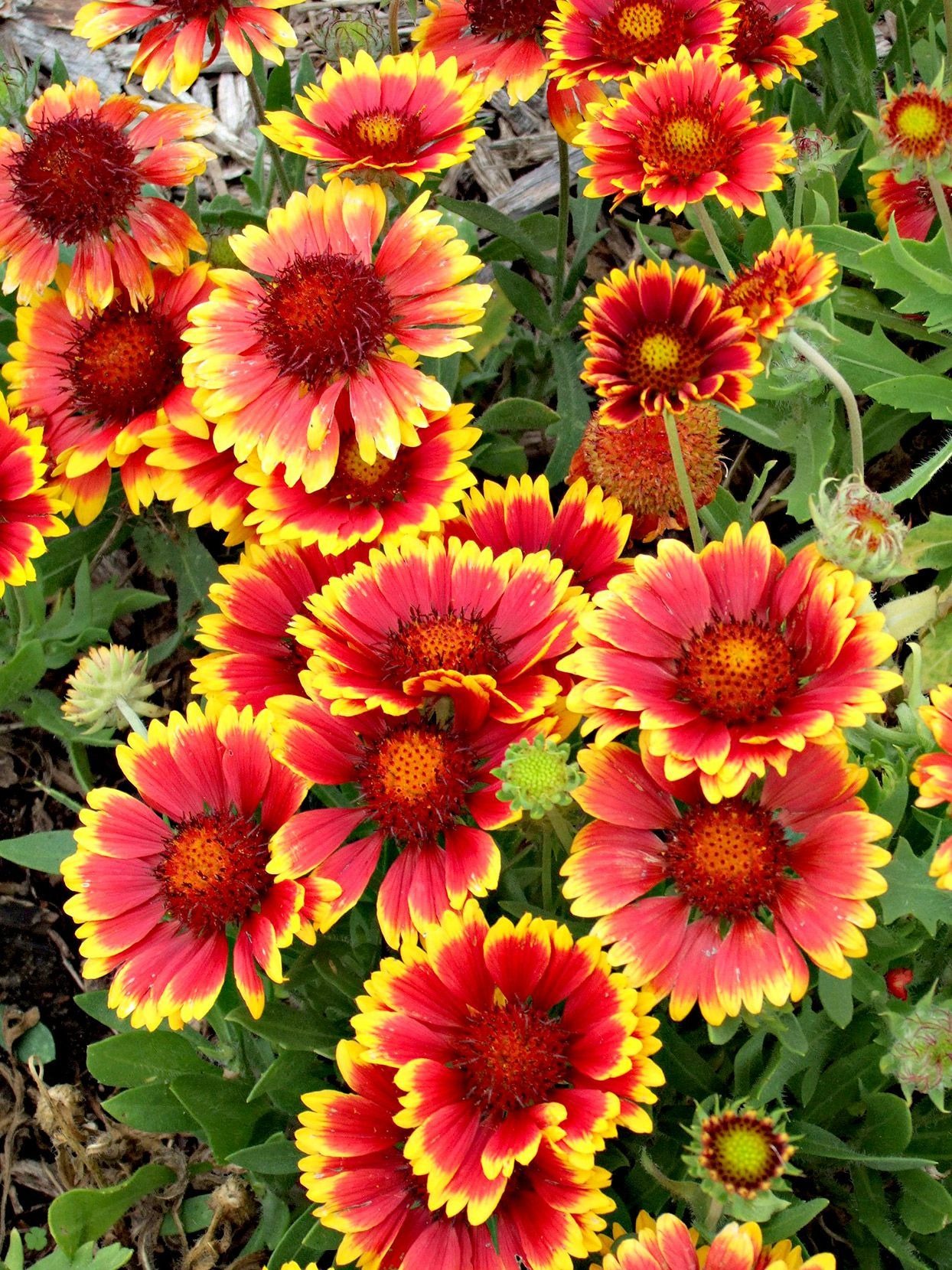
  1. Blanket Flower

Blanket Flower or Gaillardia is native to Mexico and the U.S. This plant loves bright sunlight and grows better in a sunny garden. It blooms many flowers that attract butterflies in the garden. Most Blanket Flowers grow faster in hardiness zones 3 to 10.

Blanket Flower

This adaptive plant is interesting to be your garden edge. It produces orange flowers that look striking in a green garden. The flowers will turn darker under full sunlight. Blanket Flower will make a long-lasting plant as a garden edge. It grows well at almost any temperature. So, it is best for your garden edge.

1 of 18

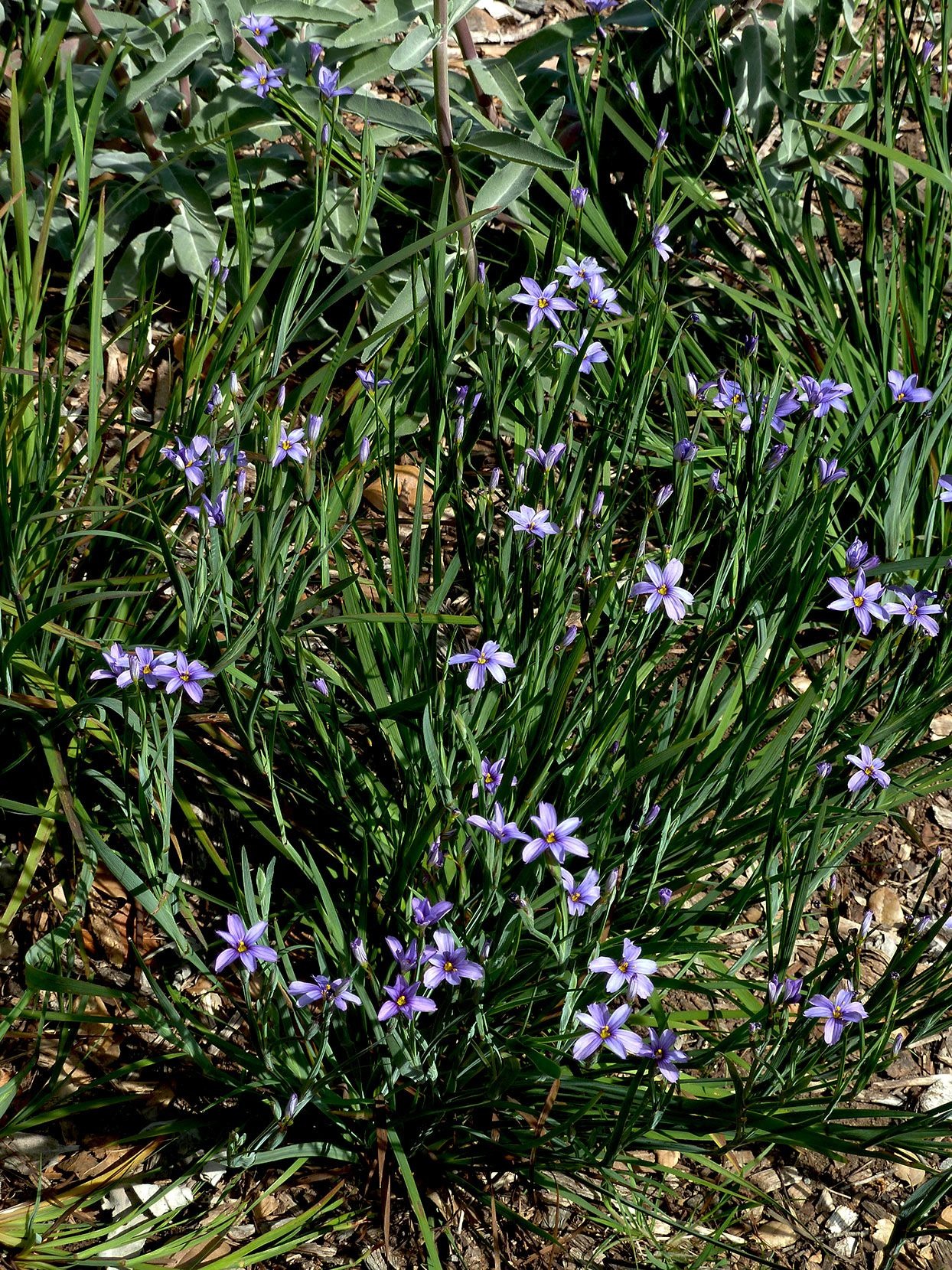
  1. Blue-Eyed Grass

Blue-Eyed Grass is an attractive perennial. This short plant has the scientific name Sisyrinchium Angustifolium. It offers beautiful narrow light-green foliage. This plant has tufted clumps that look like grass. Also, Blue-Eyed Grass produces attractive purple flowers in the summer season.

Blue-Eyed Grass

This flowery perennial will grow like grass before blooming. You can grow this plant as a garden edge or ground cover. Blue-Eyed Grass grows in hardiness zones 4 to 9. This perennial needs basic needs like well-draining soil and enough water to keep growing.

2 of 18

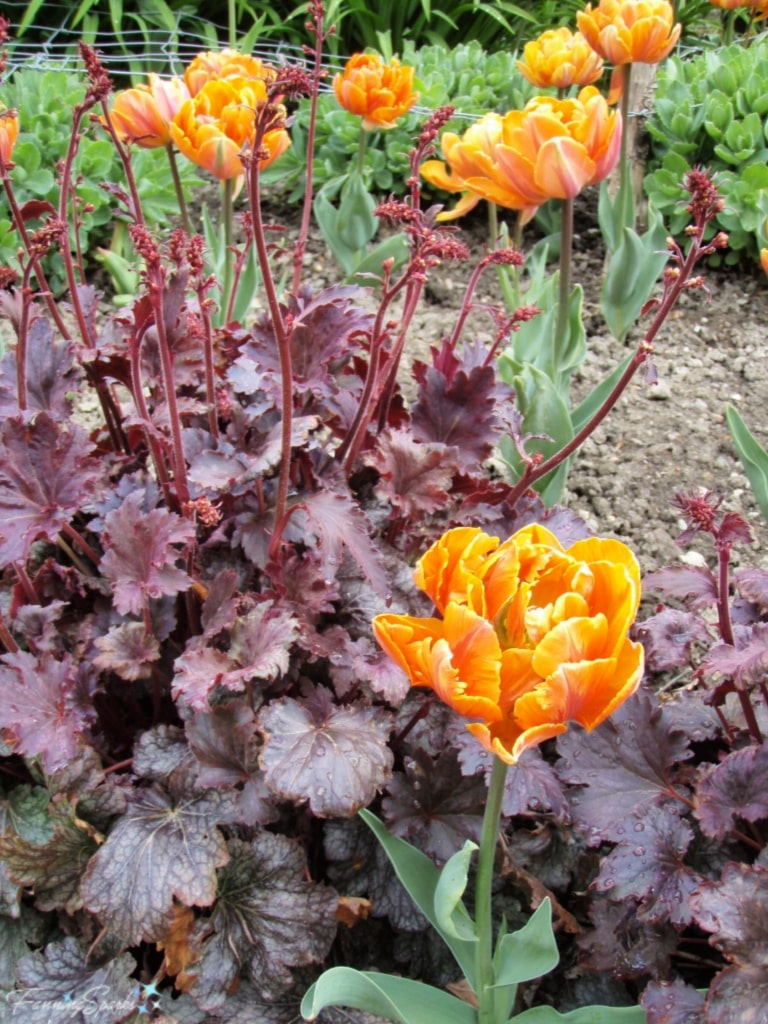
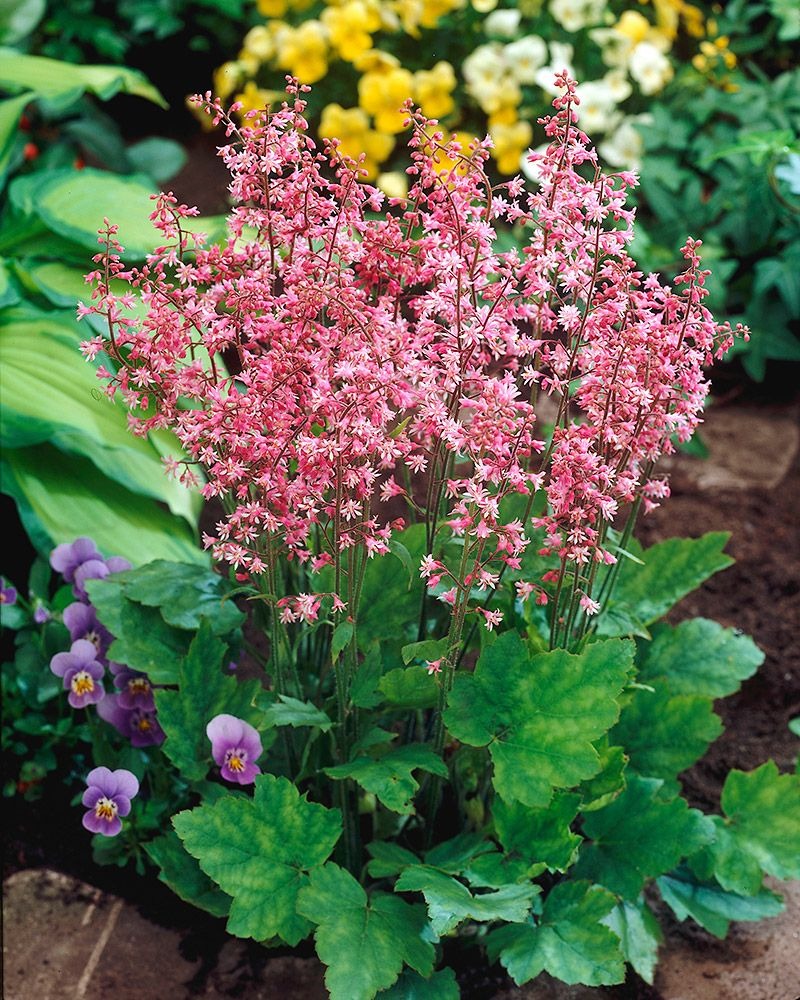
  1. Coral Bells

Coral Bells or Heuchera a colorful perennial. It offers tiny flowers that bloom in the spring to the summer season. Their flowers are stunning to grow as garden edges. It makes an attractive decoration with its bell-shaped flowers. This perennial looks more beautiful with green plants.

Coral Bells

Moreover, Coral Bell is an easy-growing plant. It can grow up to 18 inches tall in a sunny place. Coral Bells require acidic soil to spread their roots. Also, it needs frequent watering to keep growing. It grows faster in hardiness zones 4 to 8.

3 of 18

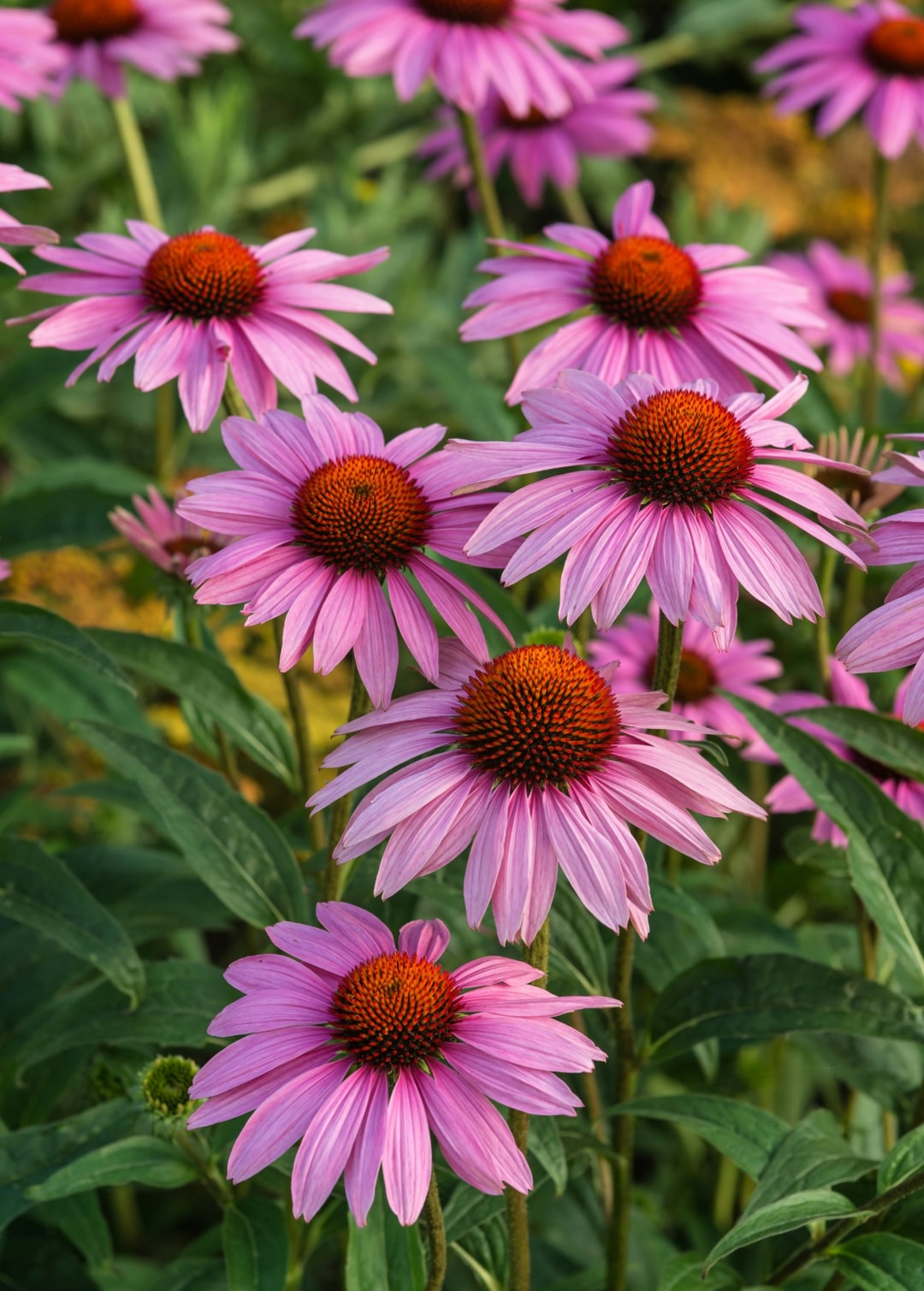
  1. Dwarf Purple Coneflower

Dwarf Purple Coneflower is also known as Echinacea X Purpurea. This perennial makes a perfect garden edge when blooming. It offers pink-brown flowers from the mid to late summer season. The neutral color of flowers will invigorate your garden edge. Dwarf Purple Coneflower can attract pollinators like honeybees and butterflies.

Dwarf Purple Coneflower

Besides, this perennial has a compact habit. It grows perfectly in hardiness zones 4 to 8. Like other plants, it needs frequent watering during hot temperatures. This plant grows up to 18 inches tall as a mature plant. It needs full sunlight to grow massively.

4 of 18

  1. Heucherella

Heucherella is an interesting ground cover. This plant makes a perfect garden edge. As a ground cover, it grows shorter than other plants in your garden edges. Their purple flowers are stunning to stick out the garden decor. The flowers have a splash of pink to creamy white colors.

Heucherella

This perennial is easy to care for. It loves sunlight and is very sensitive to moisture. Thus, it is better to avoid overwatering. Heucherella can grow well in partial to full shade. Also, it grows best in hardiness zones 4 to 9.

5 to 18

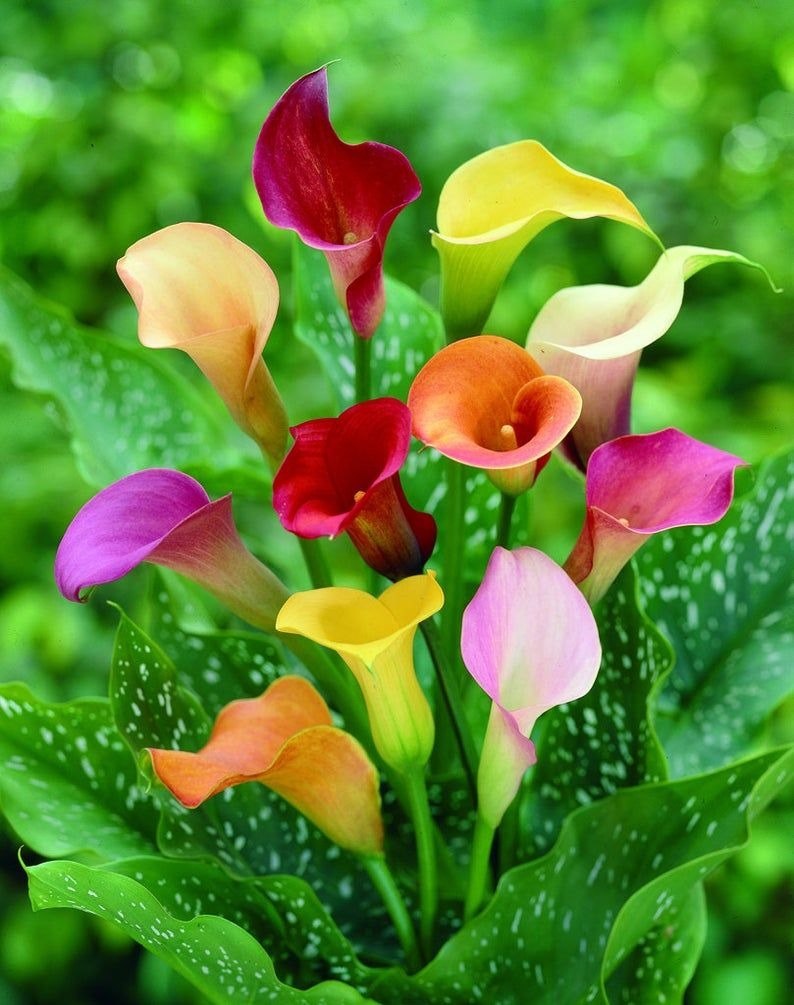
  1. Calla Lily

Calla Lily or Zantedeschia Aethiopica is a part of the Lily species. It offers to strike cone-shaped flowers. Their striking appearance will attract attention to your garden edges. Also, their glossy green leaves are interesting to decorate the garden edge before blooming time.

Calla Lily

Calla Lily can grow up to 18 inches tall as an adult plant. It loves full sunlight and tolerates partial shade. This plant needs moist soil to grow faster. It grows better in hardiness zones 8 to 10. There are some colors of Calla Lily flowers. You can pick the species that fit your garden landscape.

6 of 18

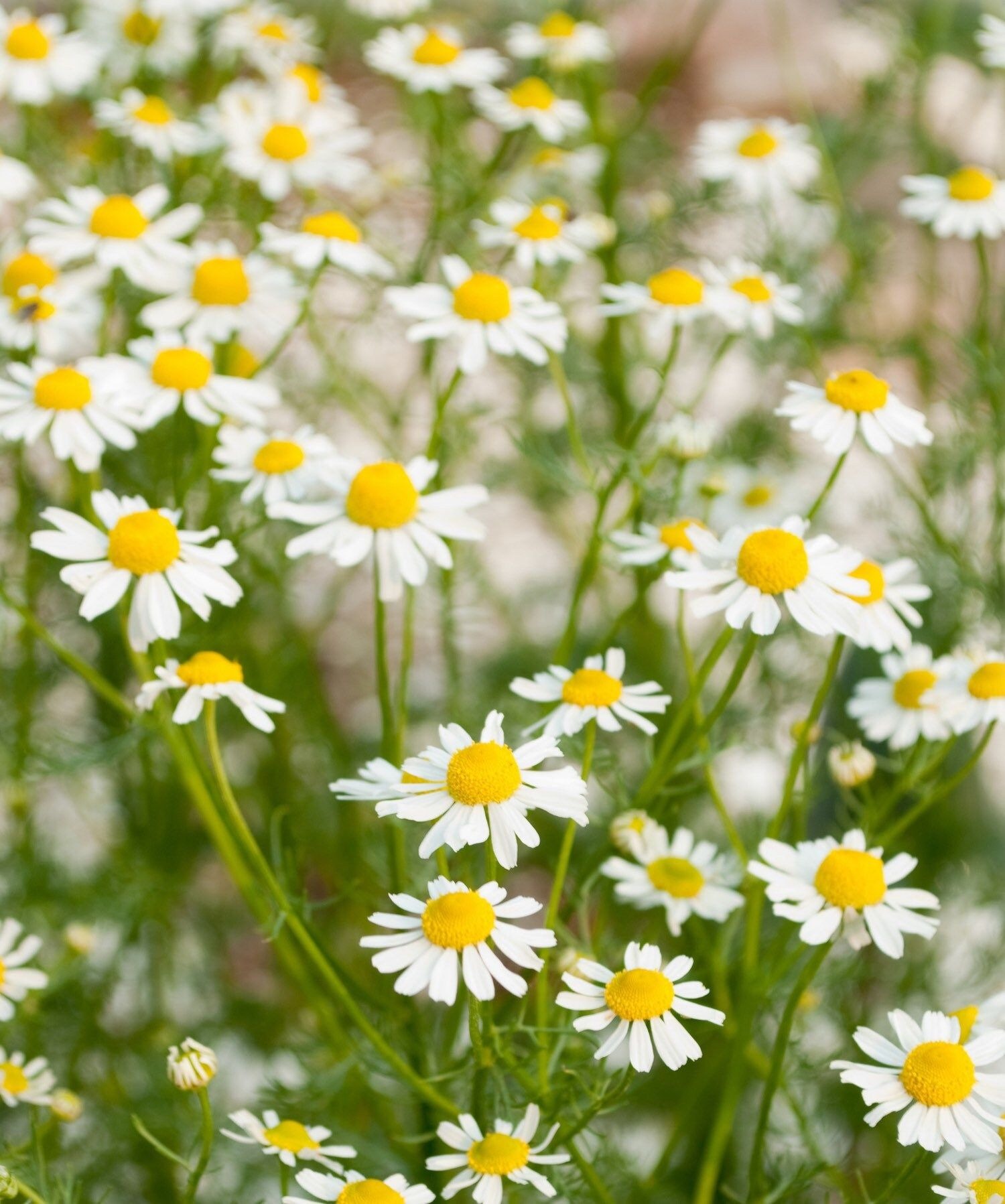
  1. Roman Chamomile

Roman Chamomile is a perennial that is also known as Chamaemelum Nobile. Roman Chamomile is interesting to grow as a garden edge. Some gardeners grow it as a garden border along the path. This plant grows up to 6 inches tall. So, it makes a stunning accent for your garden edge.

Roman Chamomile

Besides, Roman Chamomile produces a nice smell that attracts pollinators. It blooms massively from the summer to early fall season. Some people take their dried flowers to make a tasty tea. You can grow this beneficial plant in your garden. This plant likes moderate water to grow healthy.

7 of 18

  1. Goldenrod

Goldenrod is a striking perennial. This plant is also known as Solidago. Goldenrod makes an attractive landscape with golden wildflowers. Their clump-shaped flowers are stunning to decorate your garden. Some gardeners care for this plant as a weed with wildflowers.

Goldenrod

Besides, this plant is easy to grow in any place. It grows well in hardiness zones 3 to 9. This plant will spread new buds by rhizomes. Thus, it grows better in a wide place like a garden. Goldenrod will attract pollinators during their blooming time. You can even grow this plant with minimum care.

8 of 18

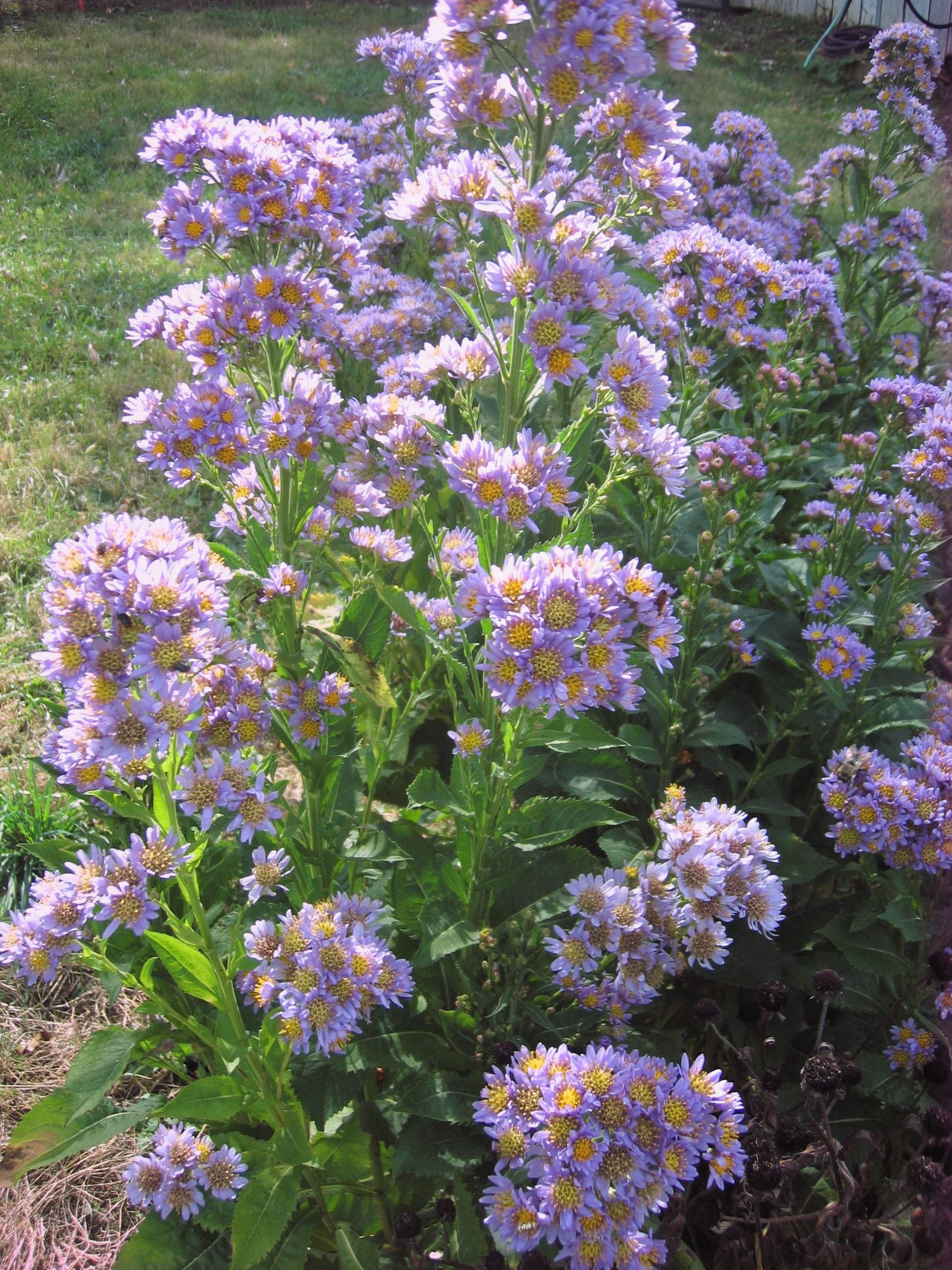
  1. Japanese Aster

Japanese Aster is also known as Kalimeris Incisa. It is a short perennial that grows like a ground cover. You can grow this plant as a garden edge and ground cover. Like other Aster plants, the Japanese Aster has daisy-like flowers. It offers pale blue flowers that emerge in every stalk.

Japanese Aster

Moreover, the Japanese Aster has tiny leaves that look beautiful. This plant is easy to care for. It requires partial shade to full sunlight to grow well. Japanese Aster likes moderate water because it is water resistant. This plant will grow best in hardiness zones 5 to 9.

9 of 18

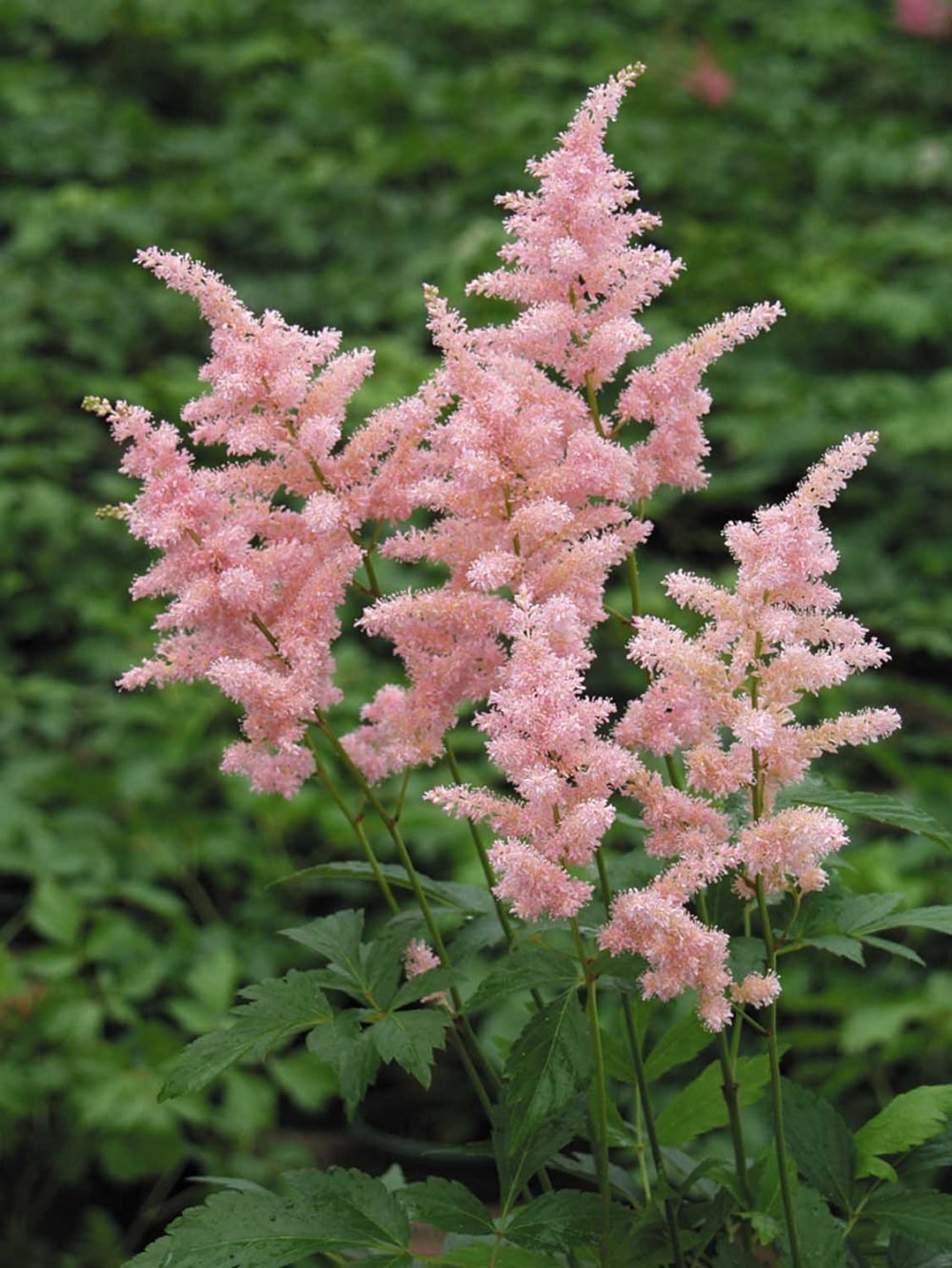
  1. Astilbe

Astilbe is an attractive perennial. Their feathery flowers are stunning to decorate your garden edge. It looks striking during their blooming time. Astilbe produces white to dark purple flowers. You can choose a variety of Astilbe that fits your garden landscape.

Astilbe

Astilbe is one of the ideal plants for a sunny garden. It needs full sunlight to keep growing. Also, this plant needs well-draining and fertile soil. It likes moist soil to spread its roots. You can provide these basic needs in your sunny garden. They will grow massively in a healthy environment.

10 of 18

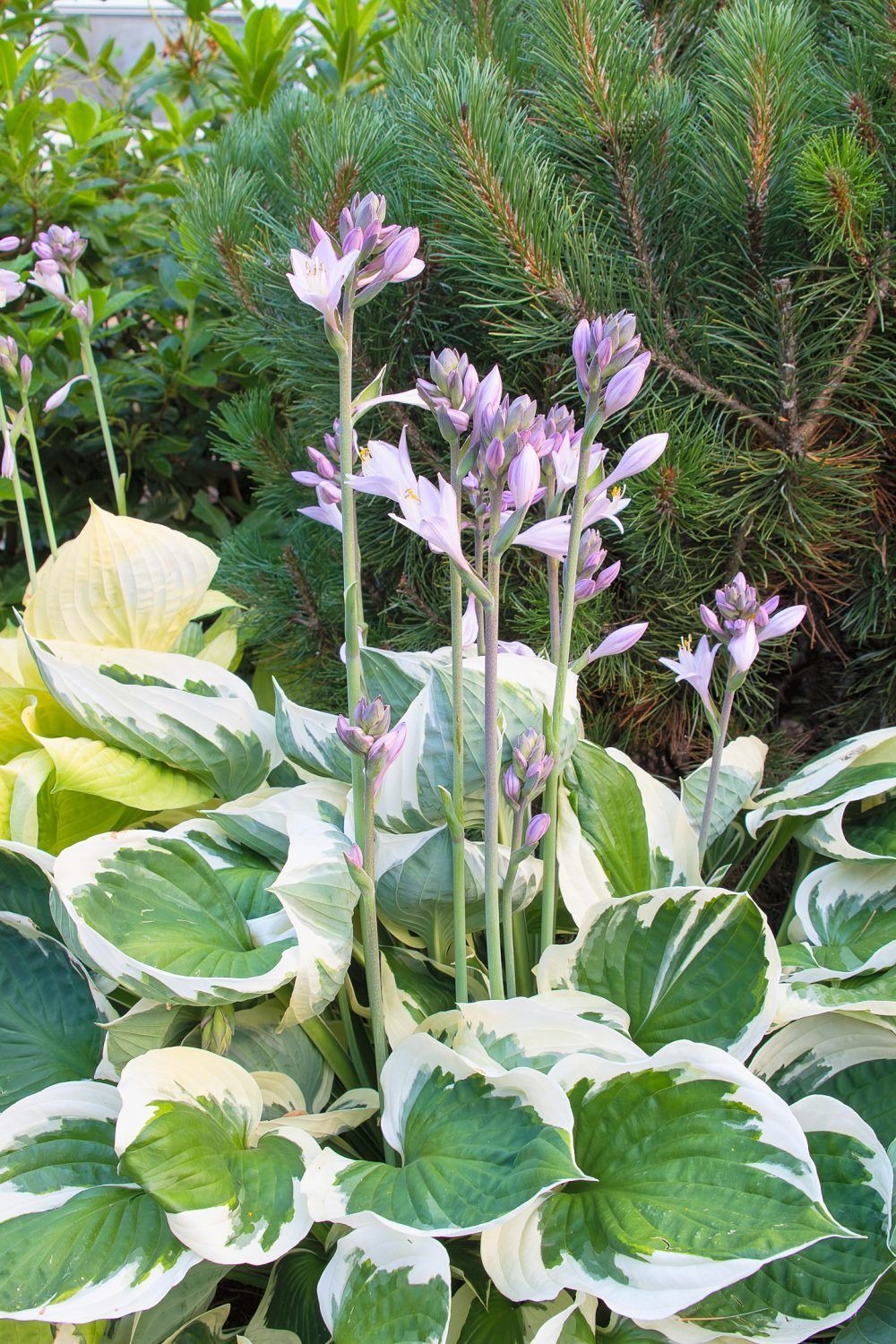
  1. Hostas

Hosta has many varieties. This plant offers attractive foliages. You can grow this plant as a garden edge. It makes a beautiful landscape around your garden, especially a partial shade garden. Hosta offers grey to green leaves. You can pick the best Hosta to decorate your garden edge.

Hostas

Hosta is one of the ideal plants for a beautiful garden. This is a low-maintenance plant. You can grow Hosta in well-draining and moist soil. As drought-tolerant, Hosta makes a perfect choice for a long-lived perennial. It will grow like a small bush in a healthy environment. You can put Hosta in a container to decorate your home interior.

11 of 18

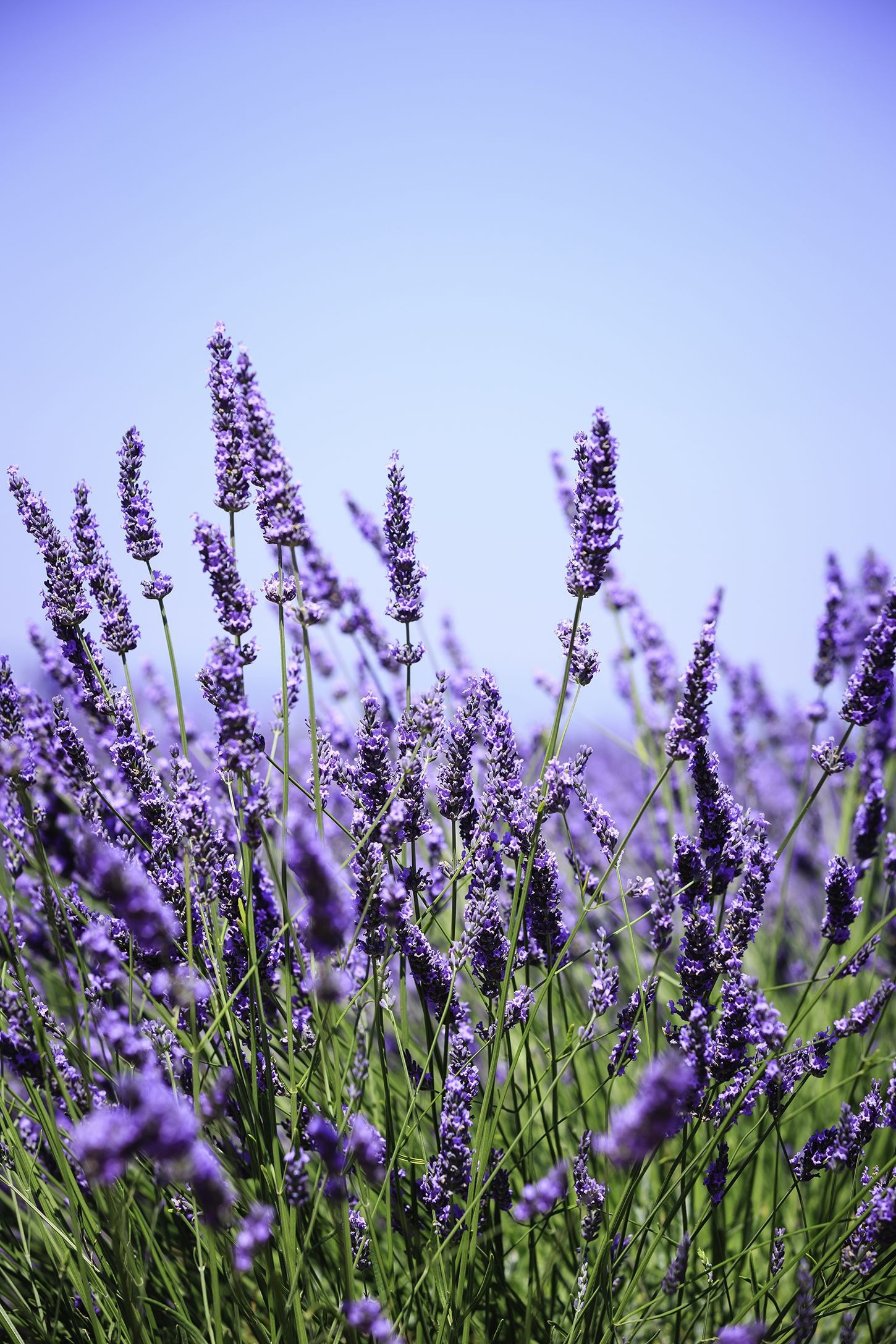
  1. Lavender

Lavender is another striking flower. It is also known as Lavandula Angustifolia. Lavender has purple flowers that pop up an aromatic fragrant. This plant is a nice choice to decorate your garden edges. As a part of the mint family, Lavender will spread a fresh aroma during their blooming time.

Lavender

Moreover, Lavender is an easy-growing plant. Lavender likes alkaline soil with well-draining conditions. It needs moderate water and full sunlight. Lavender grows better in hardiness zones 5a to 9a. It will grow up to 2 feet tall and 4 feet wide. Ensure it gets enough space to spread its growth.

12 of 18

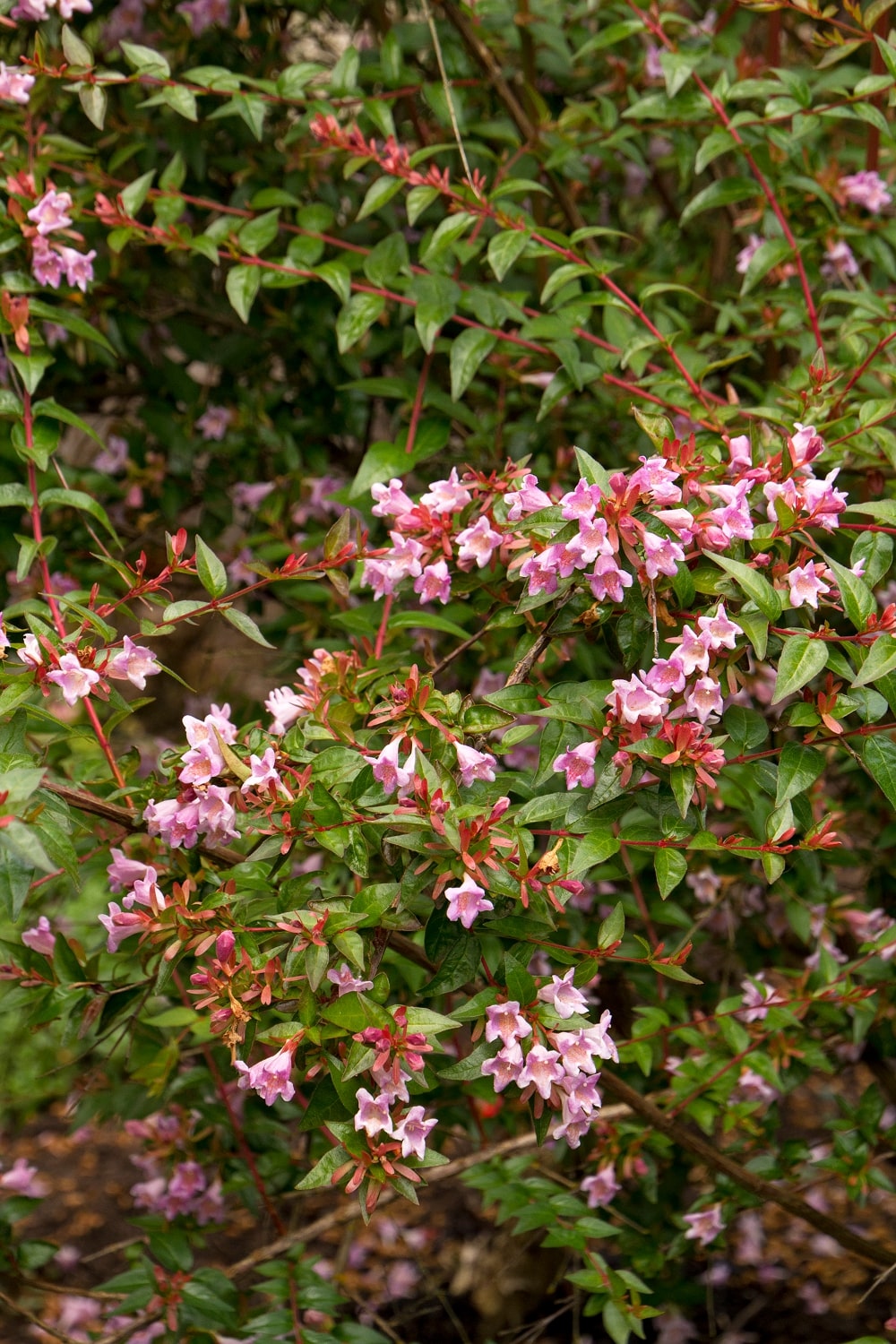
  1. Dwarf Abelia

Dwarf Abelia is also known as Abelia X Grandiflora. This hybrid plant is interesting to grow as a garden edge. It has white flowers that emerge on every stalk. Dwarf Abelia will make a small shrub. So, it looks stunning to have some Dwarf Abelia plants in a line.

Dwarf Abelia

This perennial has dark green leaves with a central rib. Dwarf Abelia is a magical flower. The green leaves will turn to reddish-orange in the fall season. As a low-maintenance plant, it grows well in full sun to partial shade. The best hardiness zone is zones 5 to 9.

13 of 18

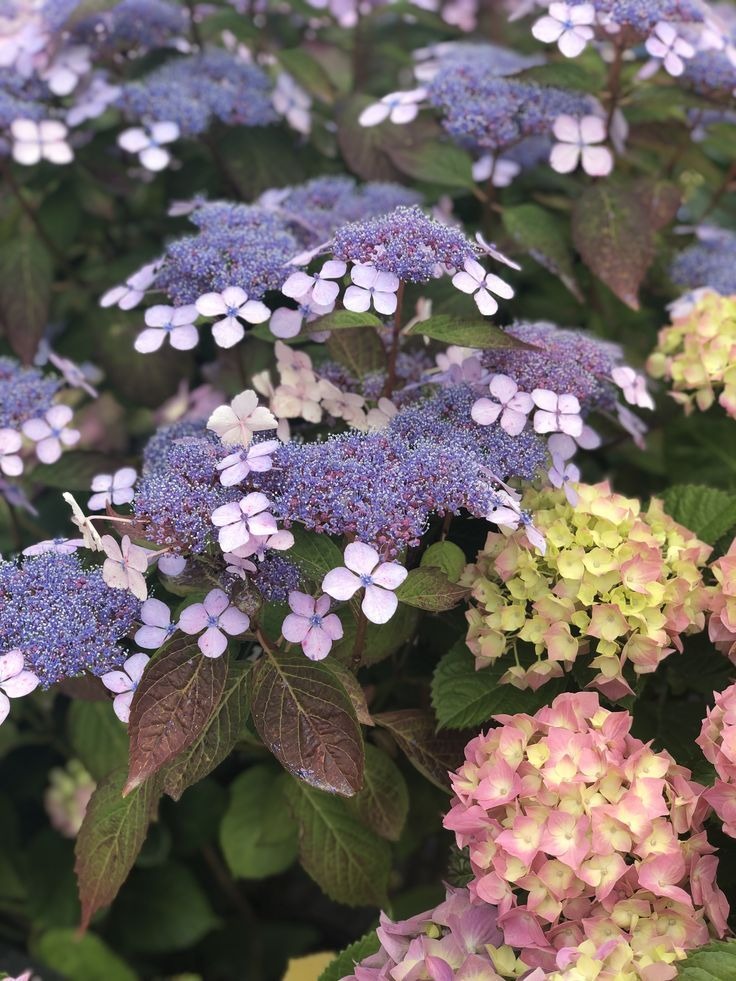
  1. Mop Head Hydrangea

Mop Head Hydrangea is a part of the Hydrangea plant. It is a lovely plant with a cluster of tiny flowers. Mop Head Hydrangea has many varieties that offer different flowers. This plant blooms from late spring to early summer season. There are blue, pink, and white splashes in every cluster.

Mop Head Hydrangea

This perennial has a scientific name, Hydrangea macrophylla. It is a low-maintenance plant. Mop Head Hydrangea flowers will stay on their branches during the seasons. You can let it die slowly and wait for the next blooming time. It grows well in hardiness zones 6 to 11. Also, this plant likes adequate water to stimulate its growth.

14 of 18

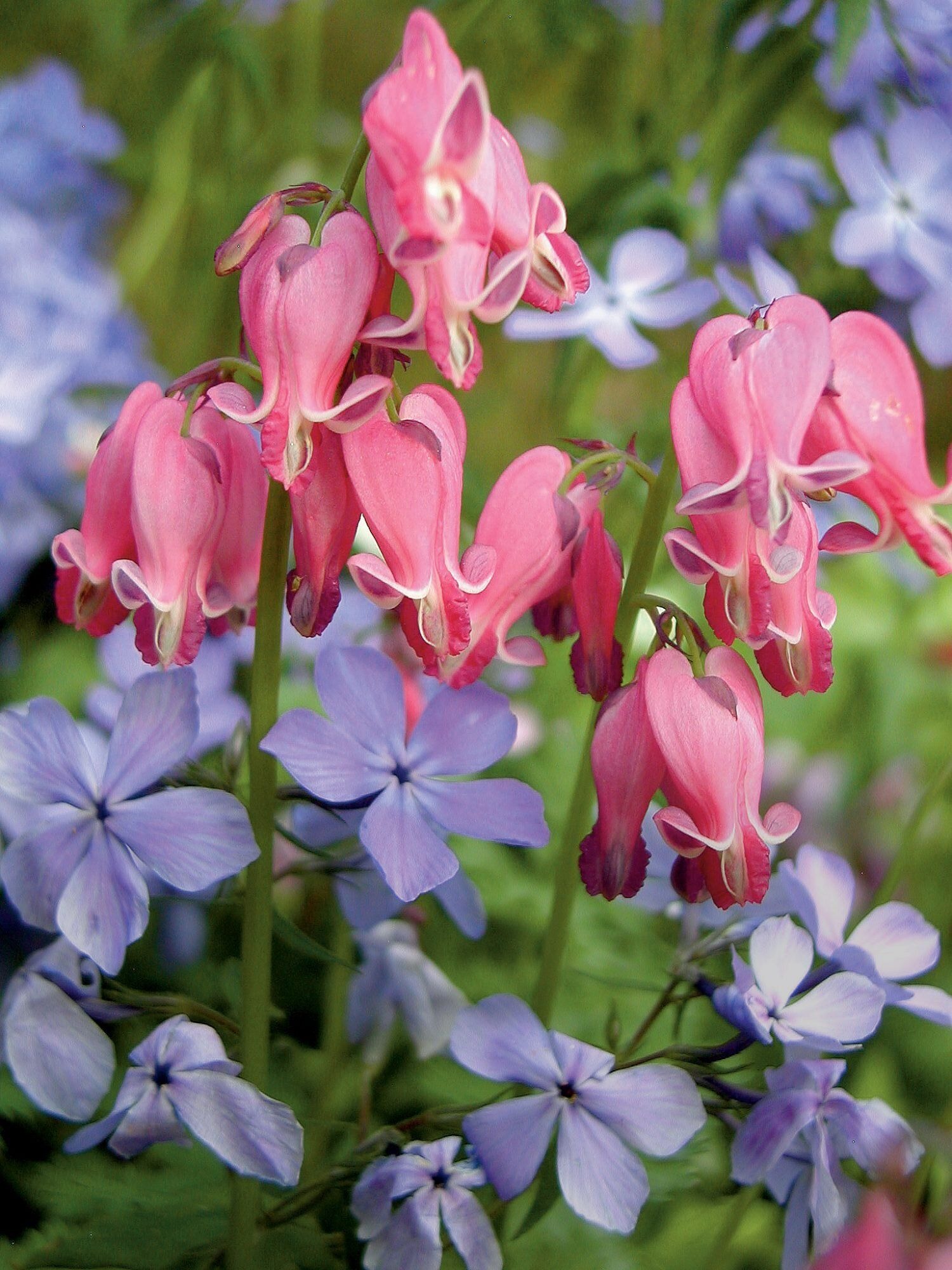
  1. Bleeding Heart

Bleeding Heart is also known as Dicentra Spectabilis. It is an attractive plant that offers two colors. There are pink or red flowers. Like its name, this plant has heart-shaped flowers. You can take this plant as your colorful garden edge.

Bleeding Heart

Moreover, Bleeding Heart is easy to care for. It loves moderate water and full to partial sun. Bleeding Heart will bloom from spring to summer season. An adult plant can reach 6 inches tall and 2 feet wide. This plant needs a spacious garden if you want to grow it massively.

15 of 18

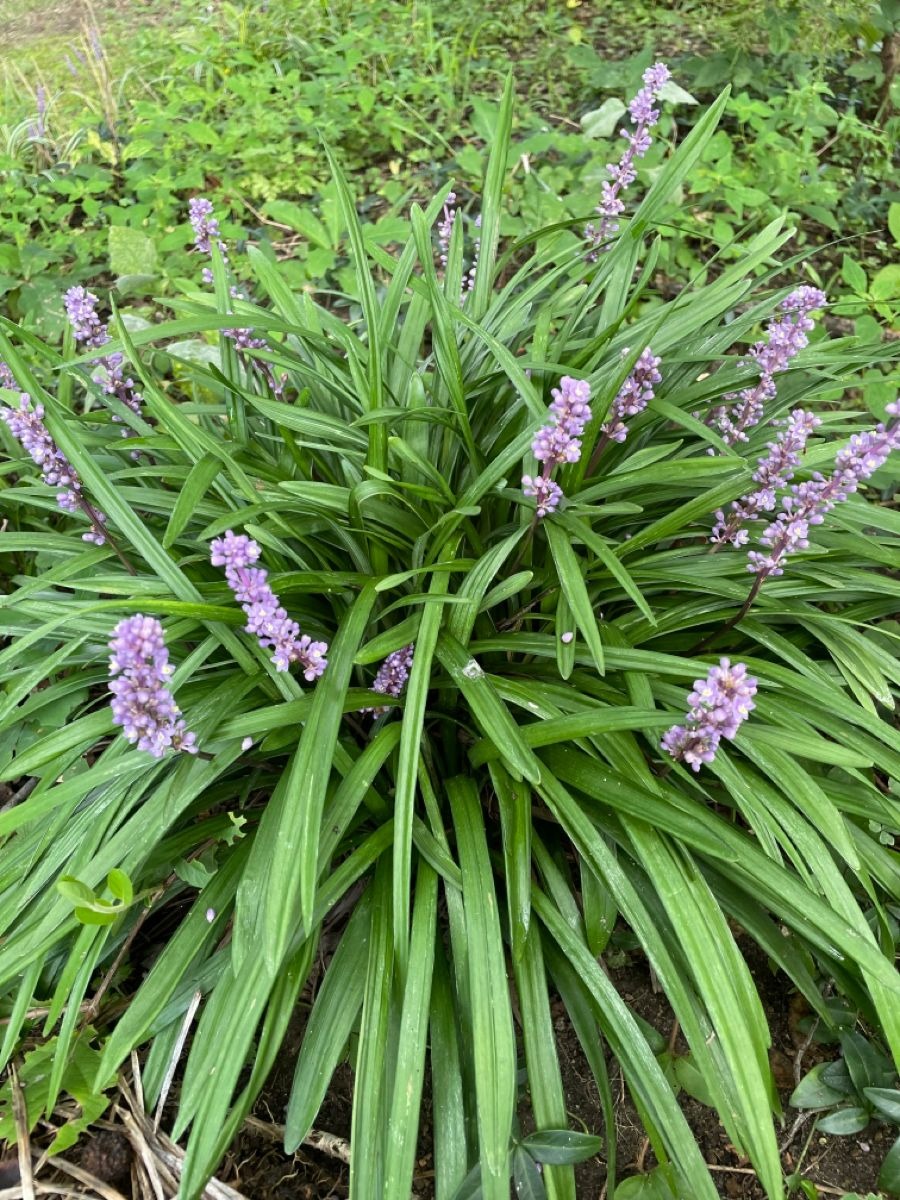
  1. Monkey Grass

Monkey Grass is an interesting perennial. It offers different colors of flowers based on the variety. There are pink, white, and purple flowers. This perennial is an attractive plant for your garden edge. It is even popular as a border grass.

Monkey Grass

This plant is also known as Liriope Muscari. It grows best in hardiness zones 5 to 10. Monkey Grass can grow in almost any type of soil. This perennial likes full sunlight to grow well. Some gardeners like to prune Monkey Grass, so it will regrow better.

16 of 18

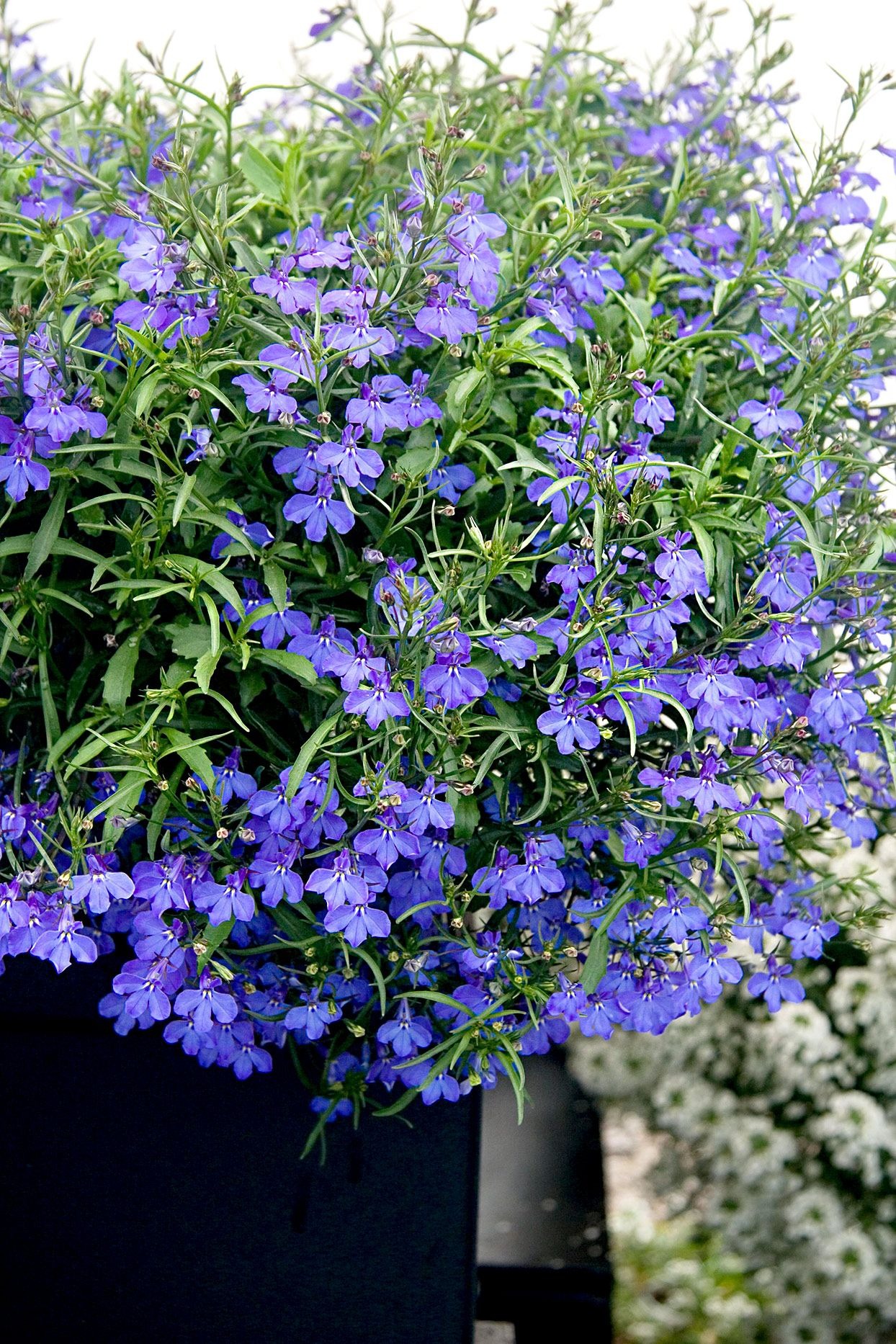
  1. Dwarf Lobelia

Dwarf Lobelia or Lobelia Erinus is an interesting plant. It is stunning to grow as a garden edge. Their tiny flowers are excellent to beautify your garden landscape. Dwarf Lobelia looks attractive with lilacs, white, and blue flowers.

Dwarf Lobelia

Dwarf Lobelia won’t declutter your garden. It is an adaptive plant and grows well in hardiness zones 2 to 10. Dwarf Lobelia grows well in almost any type of soil. The moist and well-draining soil is the best environment for Dwarf Lobelia. It will grow up to 6 inches tall under full sunlight.

17 of 18

  1. Largeleaf Brunnera

Largeleaf Brunnera is another perennial to grow in a sunny garden edges. It is also known as Brunnera macrophylla. As a garden edge, this plant offers beautiful flowers. The heart-shaped leaves are stunning with tiny flowers. You can grow this plant to make a colorful accent for your garden landscape.

Largeleaf Brunnera

Besides, this plant is easy to care for. Largeleaf Brunnera grows best in well-draining soil. It needs moderate water to keep blooming flowers. This perennial is an adaptive plant. It likes to grow in hardiness zones 3 to 8.

18 of 18

These are 18 Beautiful Perennial Plants to Grow in Your Garden Edges. Every plant above is stunning to make a perfect border. You can grow some varieties to beautify your garden landscape. It is more interesting to grow them with another plant. It can be a ground cover, shrub, or tall plant. Hopefully, this post is inspiring you to make a stunning garden landscape. Happy gardening!
Blue World City Shoaib Akhtar Enclave Complete Detailed Guide 2023

0

Introduction

Blue World City, being one of the top choices in the real estate industry in Pakistan is offering everything that a top-notch, modern, and smart lifestyle requires. Furthermore, investors will not be stressing about anything. Whether it is the incredible features, magnificent basic and advanced amenities, splendid location, or the fact that it resides at the most incredible and ideal location, you’ve fully covered.

In addition, the society also offers many property types which shows a great deal of range. Therefore, it is seamless for them to make a choice as per their feasibility and ease. Well, Blue World City Shoaib Akhtar Enclave is one such magnificent addition. All these aspects of it are just another reason why Blue World City Islamabad is proving to be the first and foremost investment choice.

Blue World City – a Fine Investment

Among the top investment choices, one that fulfills all the needed and wanted boxes, Blue World City comes on top. The developers are doing immaculate work, the kind that the housing department in Pakistan has never seen before. In addition to this, Blue World City resides exactly on Main Chakri Interchange along with having direct access to all commercially rich locations. It includes M-2 Lahore-Islamabad Motorway, New International Airport, CPEC Route, Islamabad International Airport, and much more.

Moreover, the investment also gives a whole lot of perspectives on how one will be getting an influx of facets, features, and innovative amenities. It does not make personal life easier but also professional capacity. Let’s talk a bit about the acknowledged and experienced developers of society.

Developers

The infamous housing venture, Blue World City Islamabad, is under the leadership of the Blue Group of Companies. The firm has been around for more than 2 decades, exuding only excellence and magnificence. Since they have managed to tap into multiple industries, therefore the investors can only expect sheer perfection in every department.

Available Property Types

The ultimate goal is to make life easier for investors, consumers, and residents. That is exactly what Blue World City manages to achieve in the larger picture. Society has many property types that not only allow the investors to have a range of choices but also give many options for financial feasibility. The property types are;

  • Shoaib Akhtar Enclave
  • General Block
  • Awami Residential Complex
  • Waterfront Block
  • Harley Downtown
  • Hollywood Block
  • Sports Valley
  • Serene Villas
  • Overseas Block

Shoaib Akhtar Enclave

Among other splendid, impeccable, and promising property types, Blue World City has to offer Shoaib Akhtar Enclave. The newly launched block has managed to tap into all kinds of luxury. The investors are going for the opportunity hastily. All the properties in a fine investment are available in it. From the location point of view, easy payment plans and facilities, both basic & advanced are ticked accordingly.

Payment Plan

The easiest, simple, and most feasible payment plan of Shoaib Akhtar Enclave is here. The block, however, is offering 6 and 8 Marla along with 0.5, 1, and 2 Kanal plot sizes for the time being.

  • The price for 6 Marla is 26,800,000 along with 5,360,000 as the down payment. The amount for the 12 quarterly installments is 1,563,333.
  • Moreover, for the 8 Marla plots in Shoaib Akhtar Enclave, the price is 35,750,000 along with 7,150,000 as the down payment. There will be 12 quarters of installments and its total price will be 2,085,417.
  • For one and a half Marla, the total price will be 40,650,000. The down payment will be 8,130,000 along with 2,371,250 as the total for 12 quarterly installments.
  • For 1 Kanal, the price is 68,050,000 along with 13,610,000 as the down payment. The cost for 12 quarter installments is 3,969,583.
  • Lastly, the price for 2 Kanal is 106,000,000 along with 21,200,000 as the down payment. For the 12 quarterly installments, the total cost will be 6,183,333.

Location & Impeccable Features

The location of Shoaib Akhtar Enclave is far more attractive in comparison to other blocks in the area. Not only does it provide a whole lot of personal comforts but it will also be the finest choice for professional capacity. The investors will be able to pull off all business/job/career-related ventures easily. Moreover, the impeccable features of Shoaib Akhtar Enclave along with other blocks and property types are next to perfection. That’s precisely what the owners and developers of the social promise to the investors at large.

Conclusion

To put it in a nutshell, Shoaib Akhtar Enclave is one of a kind. It ticks all the boxes that a modern investment and smart lifestyle require. Apart from that, the Blue Group of Companies are doing their very best to bring all the facilities via their multiple blocks and now with Shoaib Akhtar Enclave. Therefore, it is advisable for investors to make an early investment to avoid any kind of rushing and worries afterward. in addition, Estate Land Marketing is always here to assist you with any kind of update, query or ambiguity.

The Benefits of Bespoke Composite Doors for Your Home

0

The door to your home or office creates an opportunity for you to make a statement and a bespoke composite door can give you the looks and the quality you want, all while providing a host of other benefits that make a bespoke composite door an investment worth making. What benefits do these doors provide?

Elegance and Style

Maria from Doors Galore said “Door design is an essential part of a door, and whether it be the entrance to a modern home or a rustic cottage, a composite front door provides the right level of sophistication and style to make any look complete.” Door styles for composite doors can suit any style of home and any colour preferences and by matching the hardware to contrast or match the exterior, you can add a level of flair and elegance to your entrance.

Efficiency

Energy efficiency and thermal performance are critical factors when it comes to choosing a new door. The pursuit of sustainability, as well as the prospect of keeping more money in your pocket, are some of the motivations behind choosing a door that has high thermal efficiency. Thermal properties built into composite doors (like highly insulating foam cores), combined with the high quality of the materials they are built with, make a bespoke composite door the logical choice when looking for a highly efficient door.

Ease of Use and Safety

The priority of any door is to provide safety and security to those behind it. Multi-point locking systems and a multitude of locking options make composite doors one of the best-rated and secure doors on the market. Your peace of mind comes from knowing that this type of door is strength tested and made of some of the strongest materials available.

Durability and Strength

Durability and strength are what give a composite door its ability to hold its value and functionality for so long. Solid timber cores and GRP (glass-reinforced plastic) are used on these doors to create interior and exterior layers that are well-equipped to keep out the elements and withstand the weathering of the seasons for years without wear or decay. For those looking for doors that are extremely durable and want to invest in a product that will provide a solid return for years to come, a bespoke composite door is the choice for you.

Bespoke Composite Doors for Your Home

With bespoke composite doors, you get all the benefits that you want with a high-quality door, such as:

  • The best quality materials
  • Aesthetic flexibility and options
  • Top-of-the-line safety and security measures
  • Thermal efficiency
  • Durability and strength for years to come

Don’t leave one of the most important choices for your home or office up to chance and choose a product that will give you peace of mind and continue to provide value for years after installation.